Villages of the Prešov RegionObce Prešovského kraja
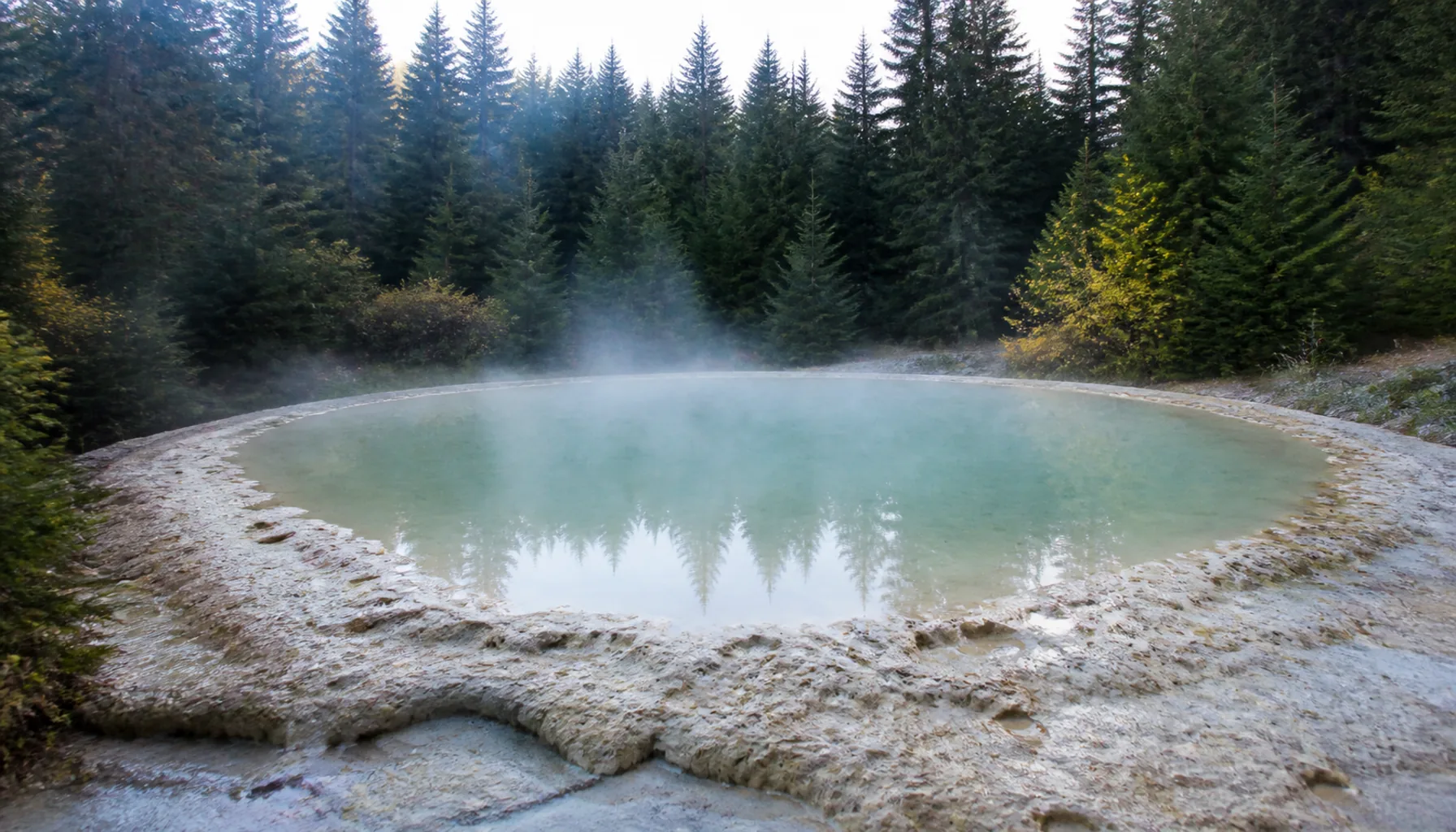
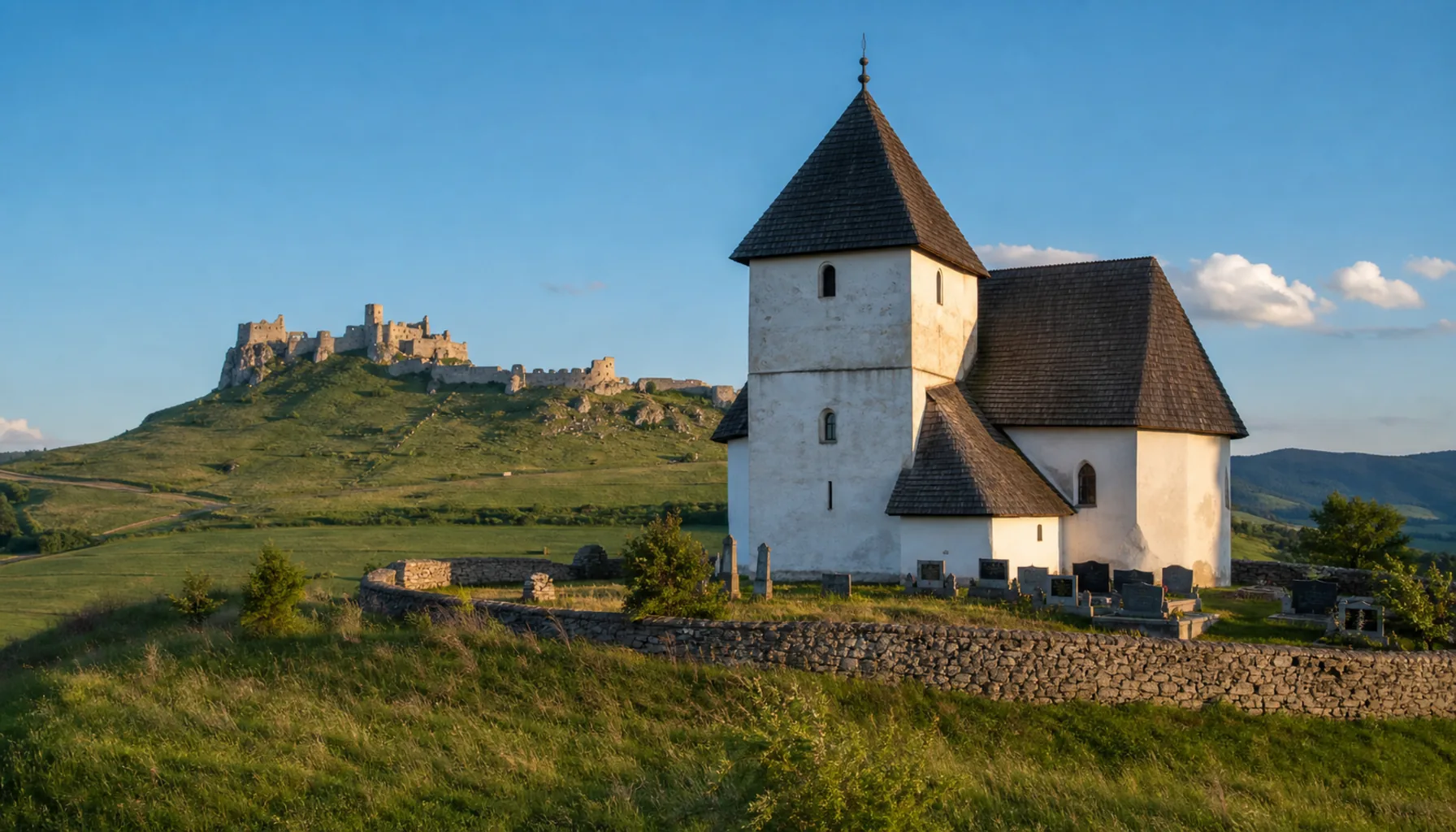
The north-east kept its villages small, poor and apart, and that is why so much of them survives: shingled wooden churches of three rites, Rusyn hamlets at the head of dead-end valleys, and a travertine spa under the Spiš hills.Severovýchod si udržal obce malé, chudobné a bokom — a práve preto sa z nich toľko zachovalo: šindľové drevené chrámy troch obradov, rusínske osady v závere slepých dolín a travertínové kúpele pod spišskými kopcami.
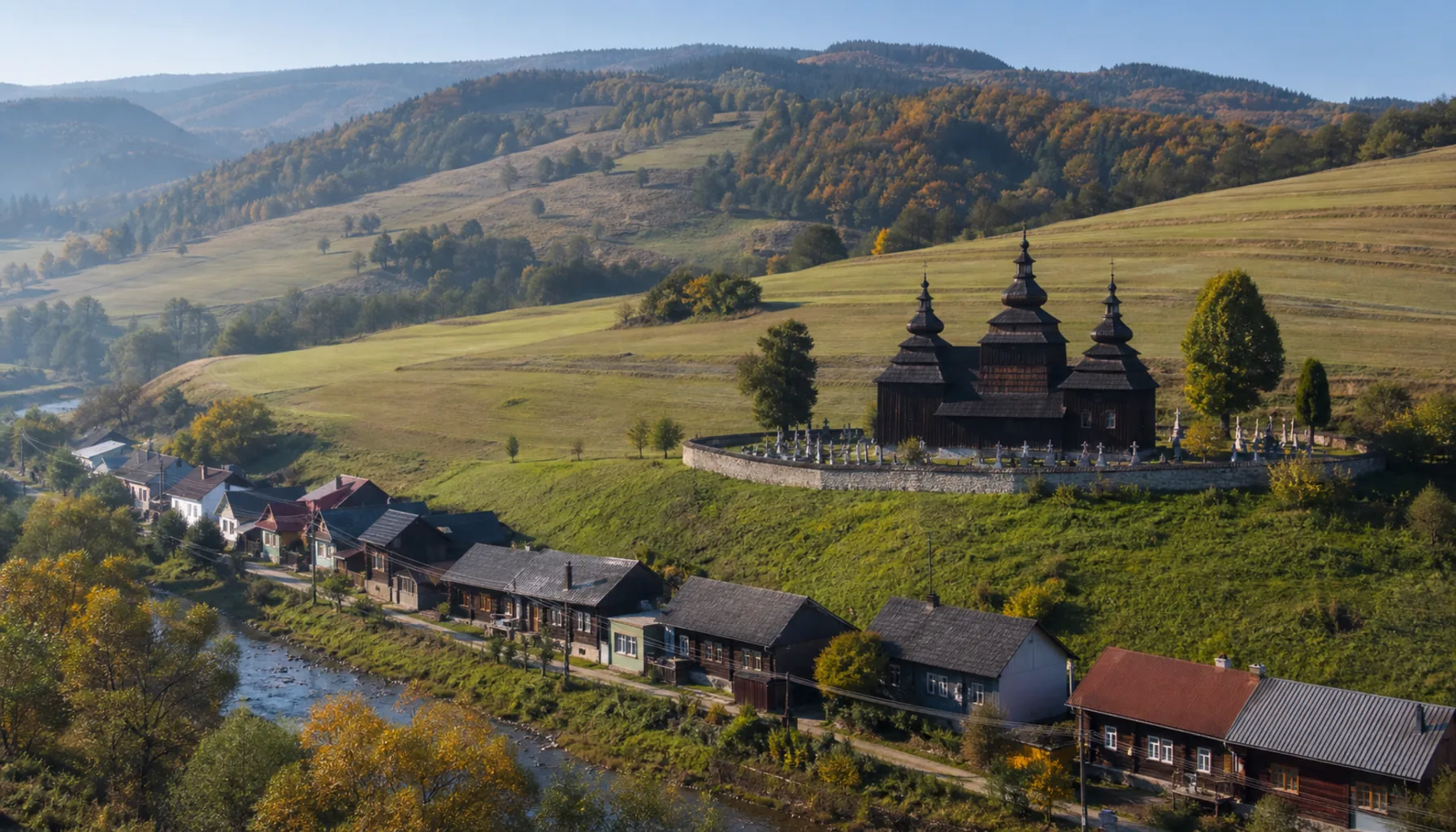
A shingled wooden church above a Rusyn village in the Low BeskidsŠindľový drevený chrám nad rusínskou obcou v Nízkych Beskydách
Valleys, not plainsDoliny, nie roviny
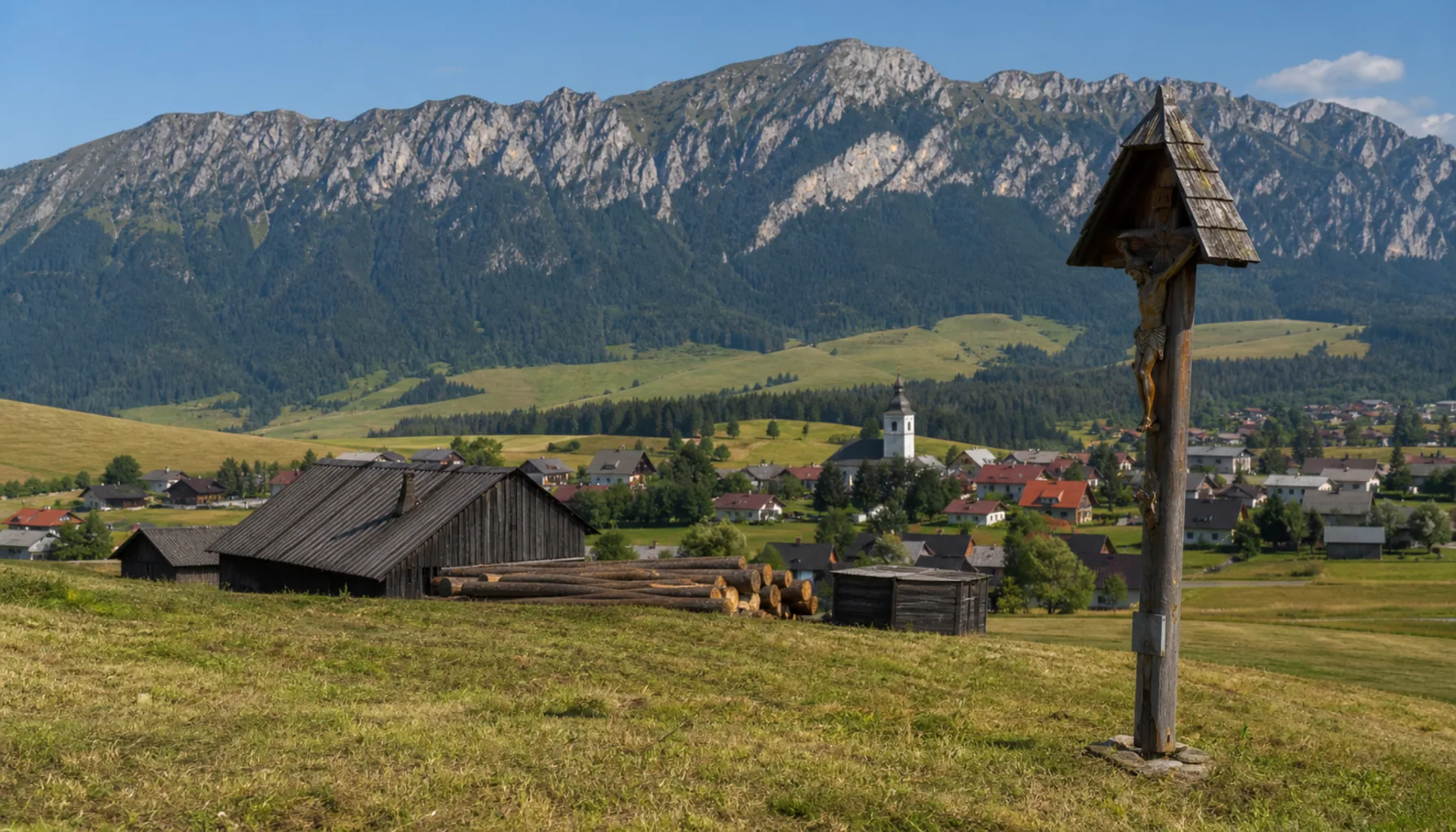
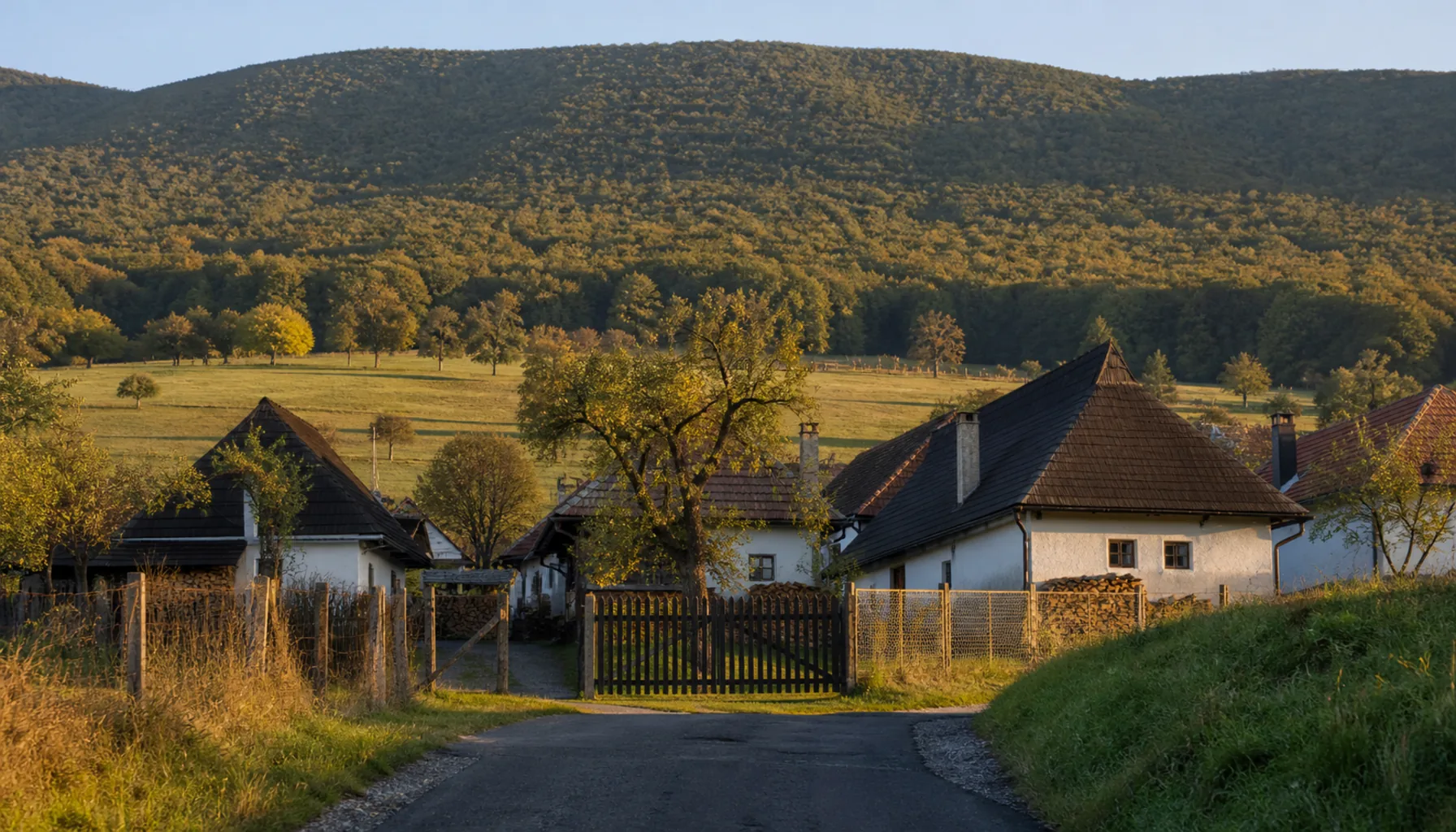
The Prešov region is built of valleys. The flysch ridges of the Low Beskids run north-east for close to two hundred kilometres along the Polish border, the Spiš basins sit under the Tatras, and in the far east the Bukovské vrchy close the country off altogether. Villages here are strung along a stream in a single line, with the fields climbing the slope behind the houses and the forest above them.Prešovský kraj je poskladaný z dolín. Flyšové chrbty Nízkych Beskýd sa tiahnu takmer dvesto kilometrov pozdĺž poľskej hranice, spišské kotliny ležia pod Tatrami a na ďalekom východe krajinu úplne uzatvárajú Bukovské vrchy. Obce sú tu natiahnuté pozdĺž potoka v jedinej línii, polia stúpajú za domami do svahu a nad nimi začína les.
Many of those valleys are dead ends: the road goes in, serves four or five villages and stops under the border ridge. That geography kept the settlements small and slowed everything in them down — no through traffic, no industry, no money to rebuild. It also kept three rites side by side, Roman Catholic and Lutheran in the west, Greek Catholic and Orthodox in the Rusyn north-east, and that is the most visible thing about the region's villages.Mnohé z tých dolín sú slepé: cesta do nich vojde, obslúži štyri či päť obcí a skončí pod hraničným hrebeňom. Táto geografia udržala osady malé a všetko v nich spomalila — žiadna tranzitná doprava, žiadny priemysel, žiadne peniaze na prestavbu. Zároveň tu vedľa seba udržala tri obrady: na západe rímskokatolícky a evanjelický, na rusínskom severovýchode gréckokatolícky a pravoslávny. Na tunajších obciach to vidno zo všetkého najviac.
Built of what grew herePostavené z toho, čo tu rástlo
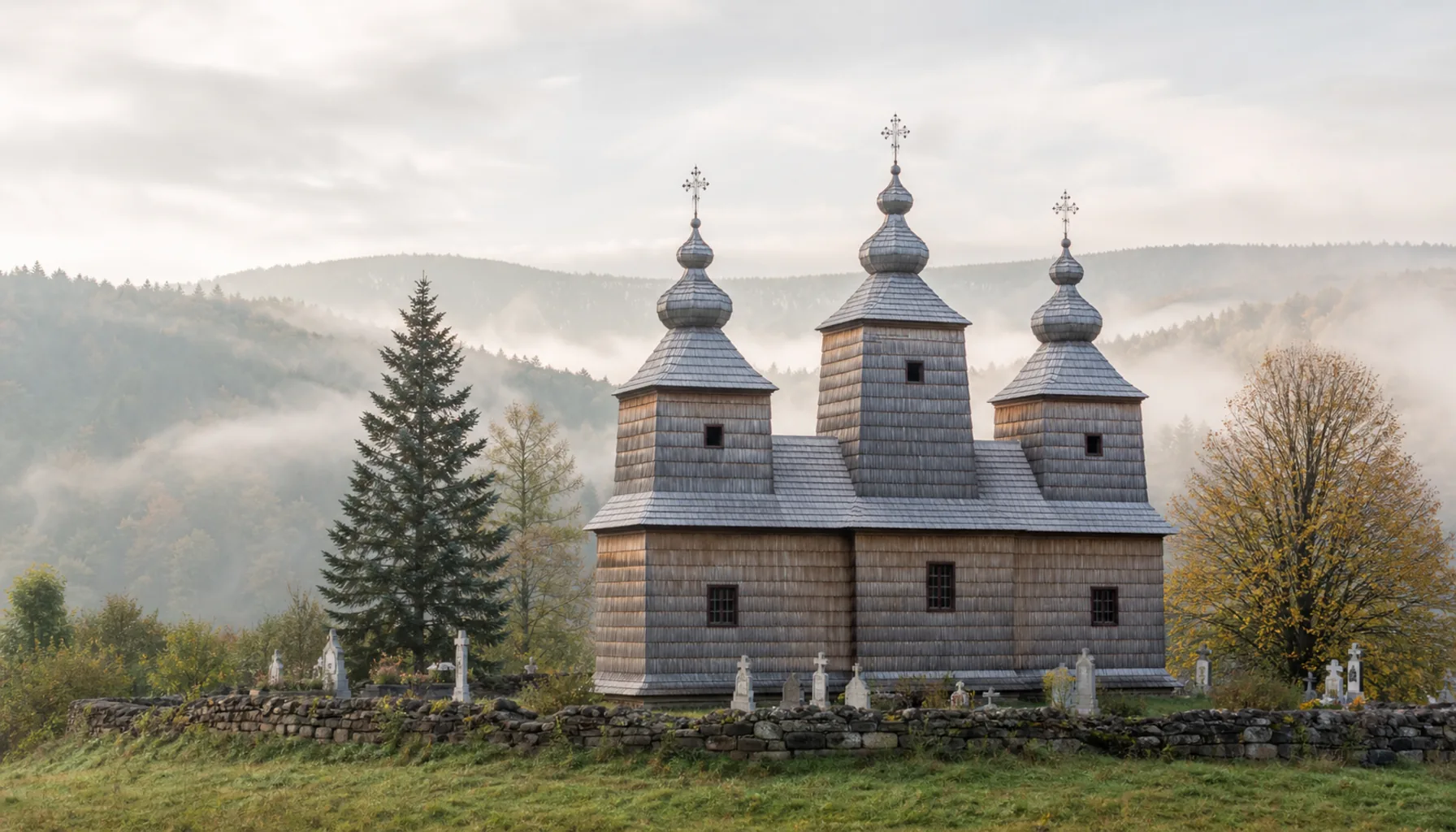
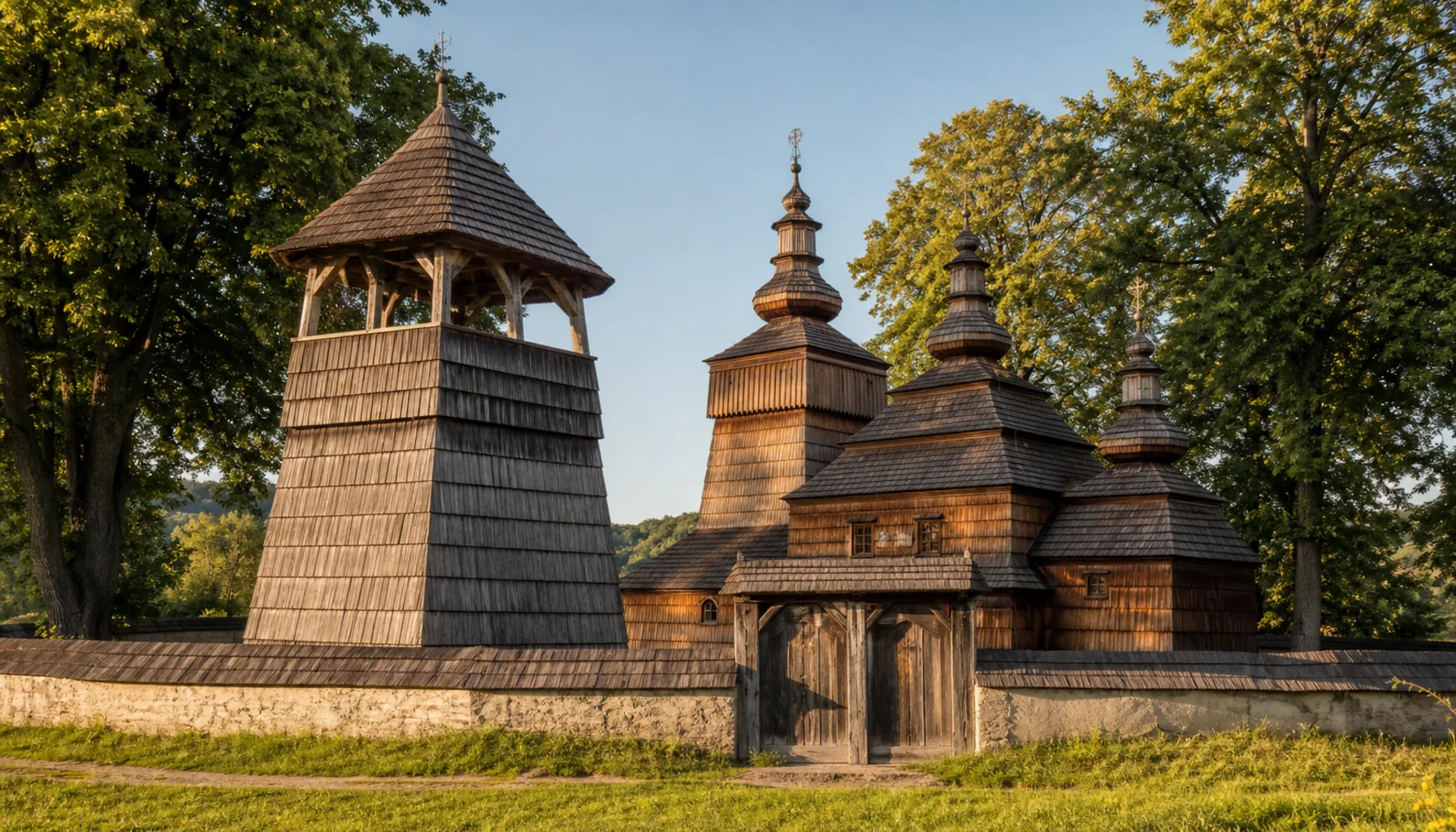
Where there was forest there was timber, and the great buildings of the region are made of it: walls of horizontal logs jointed at the corners, roofs and often the walls themselves clad in shingle, the best of them raised on wooden pegs with no metal nails at all. Of some three hundred wooden churches that once stood on Slovak territory around sixty are left, and four of the nine buildings on the UNESCO list of Carpathian wooden churches stand in this region — three of them in villages.Kde bol les, bolo drevo — a najvýznamnejšie stavby kraja sú z neho: zrubové steny viazané v rohoch, strechy a často aj samotné steny pobité šindľom, tie najlepšie zložené na drevené kolíky bez jediného kovového klinca. Z približne tristo drevených kostolov, ktoré kedysi stáli na slovenskom území, ich zostáva okolo šesťdesiat, a štyri z deviatich stavieb zapísaných v UNESCO ako drevené chrámy slovenskej časti Karpát stoja v tomto kraji — tri z nich v obciach.
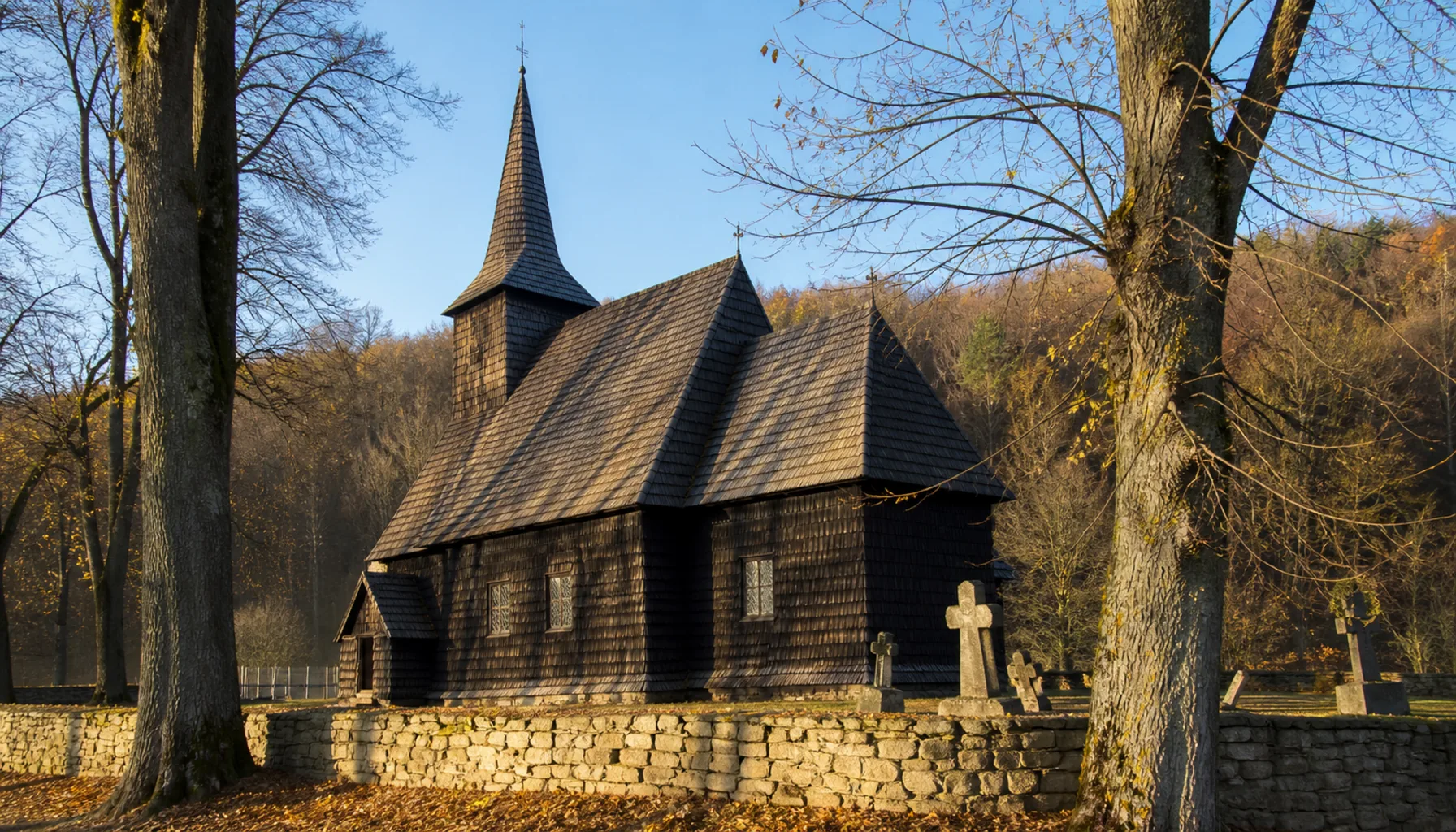
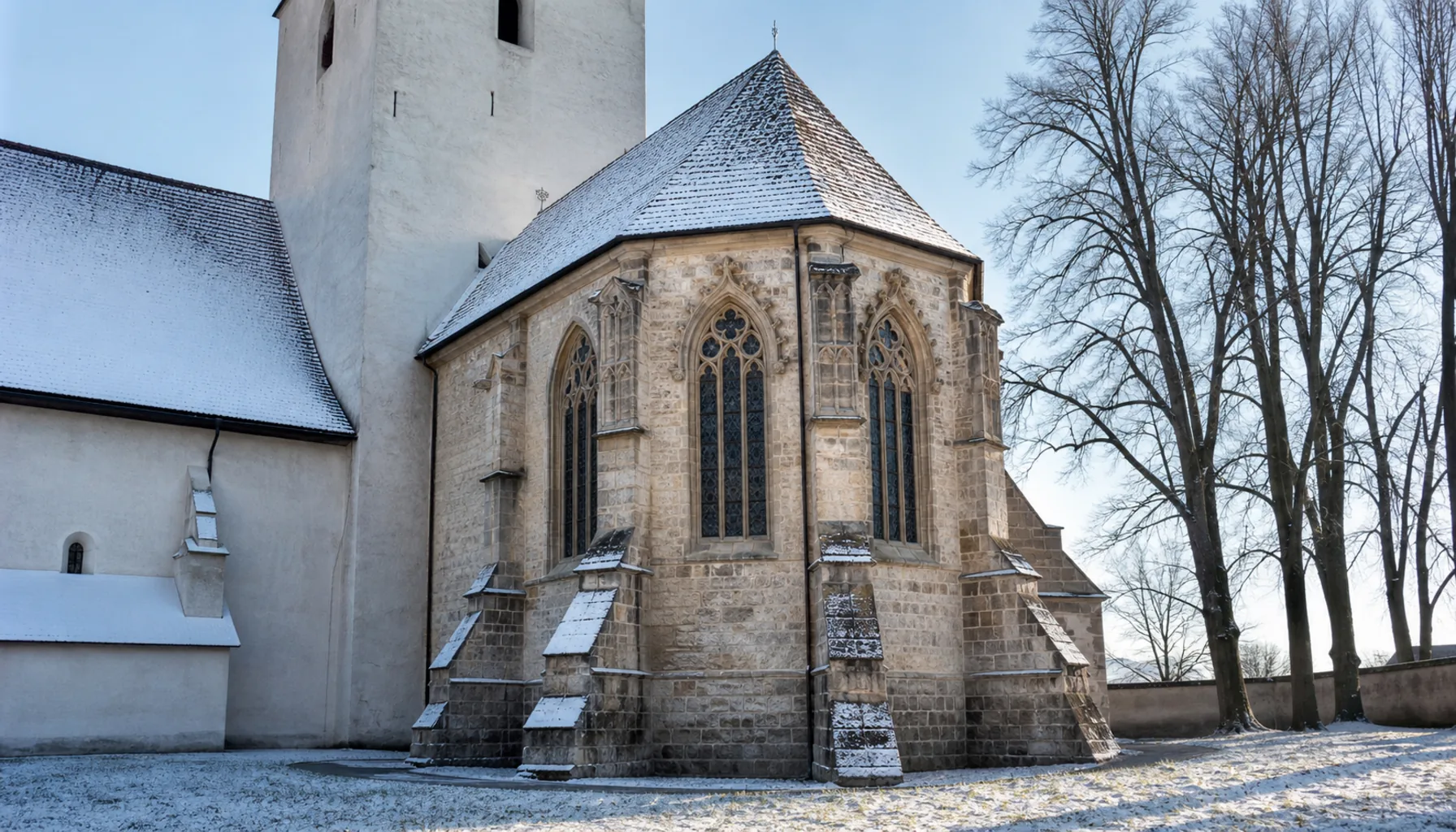
The eastern-rite churches share one plan: three log cells in a line — entrance chamber, nave, sanctuary — under three towers, the tallest over the entrance, and an iconostasis inside closing the sanctuary off. The Latin-rite church at Hervartov looks nothing like them: an ordinary Gothic church with a single nave and a narrower chancel, built in wood instead of stone. In the Spiš basins the material changes again — stone, and at Vyšné Ružbachy the travertine the springs laid down themselves.Chrámy východného obradu majú spoločnú schému: tri zrubové priestory v jednej osi — babinec, loď a svätyňu — pod tromi vežami, z ktorých najvyššia stojí nad vstupom, a vnútri ikonostas uzatvárajúci svätyňu. Kostol latinského obradu v Hervartove sa im nepodobá vôbec: je to bežný gotický kostol s jednou loďou a užším presbytériom, len postavený z dreva namiesto kameňa. V spišských kotlinách sa materiál mení znova — na kameň a vo Vyšných Ružbachoch na travertín, ktorý tam usadili samotné pramene.
Visiting them wellAko ich navštíviť
Almost every wooden church here is a locked working church, not a museum. It is opened by a keyholder or a guide, in season and usually by arrangement made in advance through the parish or the village office; there is normally a charge, and photography inside is usually restricted or not allowed at all. A service is not a tour. Arriving unannounced out of season means seeing the outside, which is worth the drive but is not what people come for.Takmer každý drevený chrám je tu zamknutým funkčným kostolom, nie múzeom. Otvára ho kľúčnik alebo sprievodca, v sezóne a spravidla po dohovore vopred cez farnosť alebo obecný úrad; obvykle sa platí vstupné a fotografovanie vnútri býva obmedzené alebo úplne zakázané. Bohoslužba nie je prehliadka. Kto príde mimo sezóny neohlásený, uvidí exteriér — stojí to za cestu, no nie je to to, pre čo sa sem chodí.
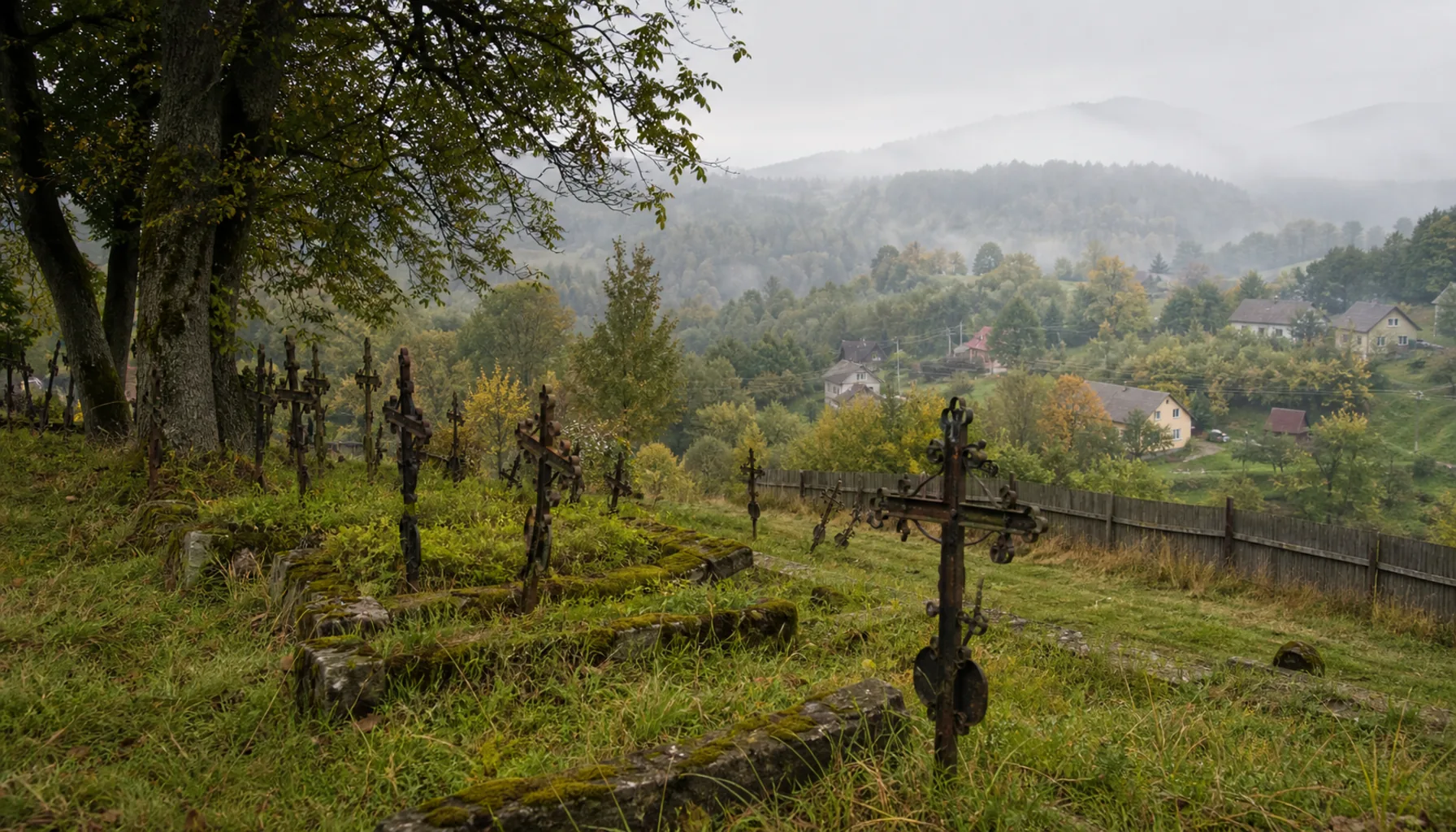
Distances take longer than the map suggests. Roads follow valleys rather than straight lines, the rail network thins out east of Prešov and stops altogether in the Rusyn districts, and buses to villages of a few dozen houses run to the school timetable. A car covers three or four wooden churches in a day; without one, plan around a single village. And these are lived-in places — private houses, working farmyards and graveyards that are still in use.Presuny trvajú dlhšie, než sa zdá z mapy. Cesty kopírujú doliny, nie priamky. Železničná sieť východne od Prešova rednie a v rusínskych okresoch končí úplne, autobusy do obcí s niekoľkými desiatkami domov chodia podľa školského rozvrhu. Autom sa dajú za deň stihnúť tri či štyri drevené chrámy, bez auta plánujte jednu obec. A sú to obývané miesta — súkromné domy, fungujúce gazdovstvá a cintoríny, ktoré sa stále používajú.