The Town Where Slovakia Keeps Its PapersMesto, kde má Slovensko uložené svoje písomnosti
Nowhere else in the country carries this much national weight for its size. Matica slovenská — the cultural institution that became the backbone of the Slovak national revival — was founded here in 1863, when the town was still called Turčiansky Svätý Martin; the Hungarian government closed it down twelve years later, and it came back. The Slovak National Library is here, holding the national written heritage. So is the National Cemetery, a protected national cultural monument where a very large share of the country's writers, scholars and public figures are buried under one avenue of trees.Nikde inde v krajine nenesie mesto tejto veľkosti toľko národnej váhy. Matica slovenská — kultúrna ustanovizeň, ktorá sa stala chrbtovou kosťou slovenského národného obrodenia — vznikla tu v roku 1863, keď sa mesto ešte volalo Turčiansky Svätý Martin; o dvanásť rokov ju uhorská vláda zatvorila a ona sa vrátila. Sídli tu Slovenská národná knižnica, ktorá spravuje národné písomné dedičstvo. Aj Národný cintorín, chránená národná kultúrna pamiatka, kde pod jednou alejou stromov leží veľmi veľká časť spisovateľov, vedcov a verejných osobností krajiny.
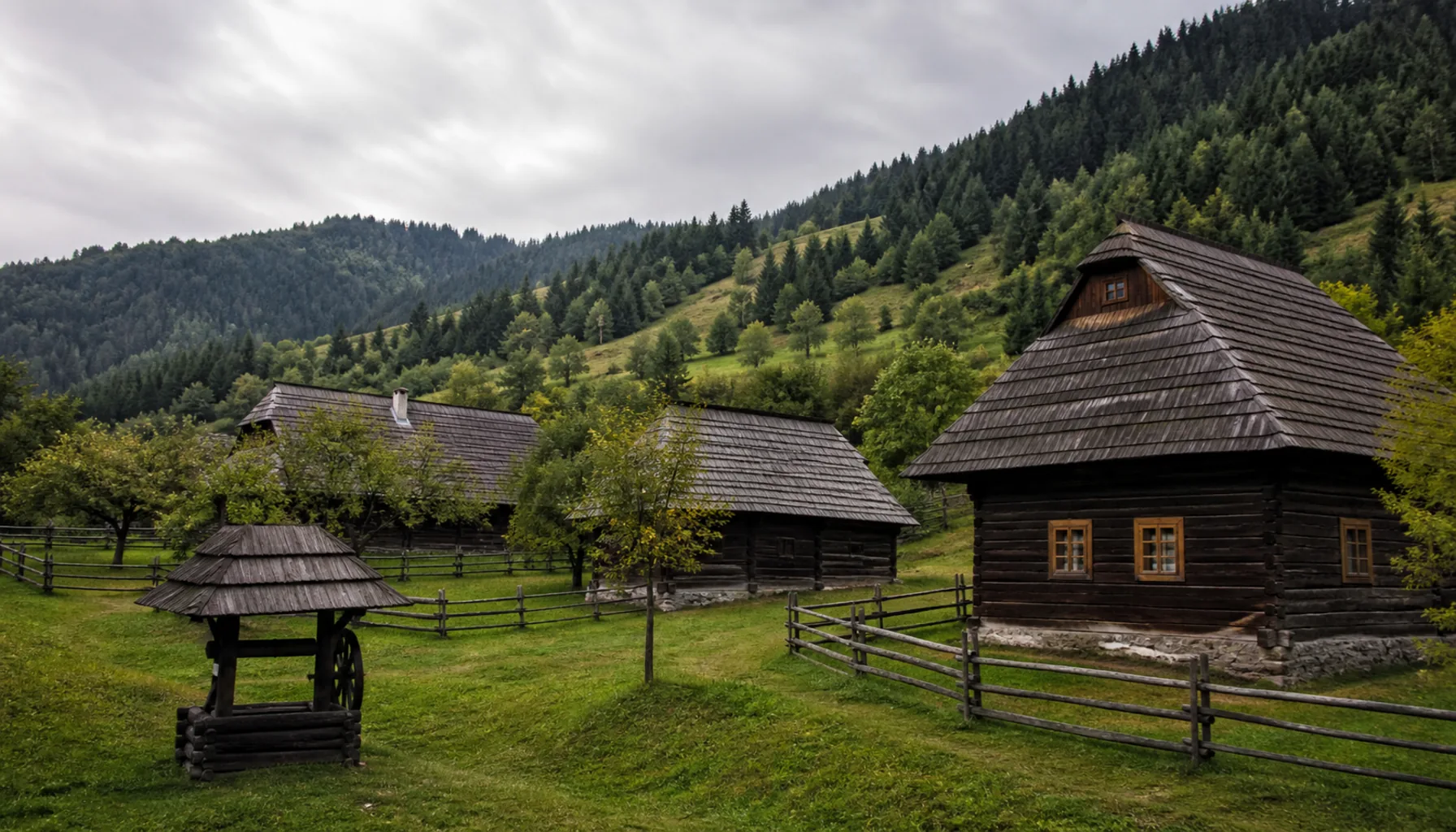
On 30 October 1918 the Declaration of the Slovak Nation was adopted in Martin, committing the Slovaks to the new Czechoslovak state; in 1994 a law formally named the town the centre of national culture of the Slovaks. There is also the Museum of the Slovak Village on the edge of town at Jahodnícke háje — the country's largest open-air museum, whole farmsteads of log building carried here and reassembled — and the ethnographic collections of the Slovak National Museum in the town itself.30. októbra 1918 bola v Martine prijatá Deklarácia slovenského národa, ktorou sa Slováci prihlásili k novému československému štátu; v roku 1994 zákon mesto formálne označil za centrum národnej kultúry Slovákov. Na okraji mesta, v Jahodníckych hájoch, je aj Múzeum slovenskej dediny — najväčší skanzen v krajine, kam preniesli a znovu poskladali celé zrubové usadlosti — a v samotnom meste národopisné zbierky Slovenského národného múzea.
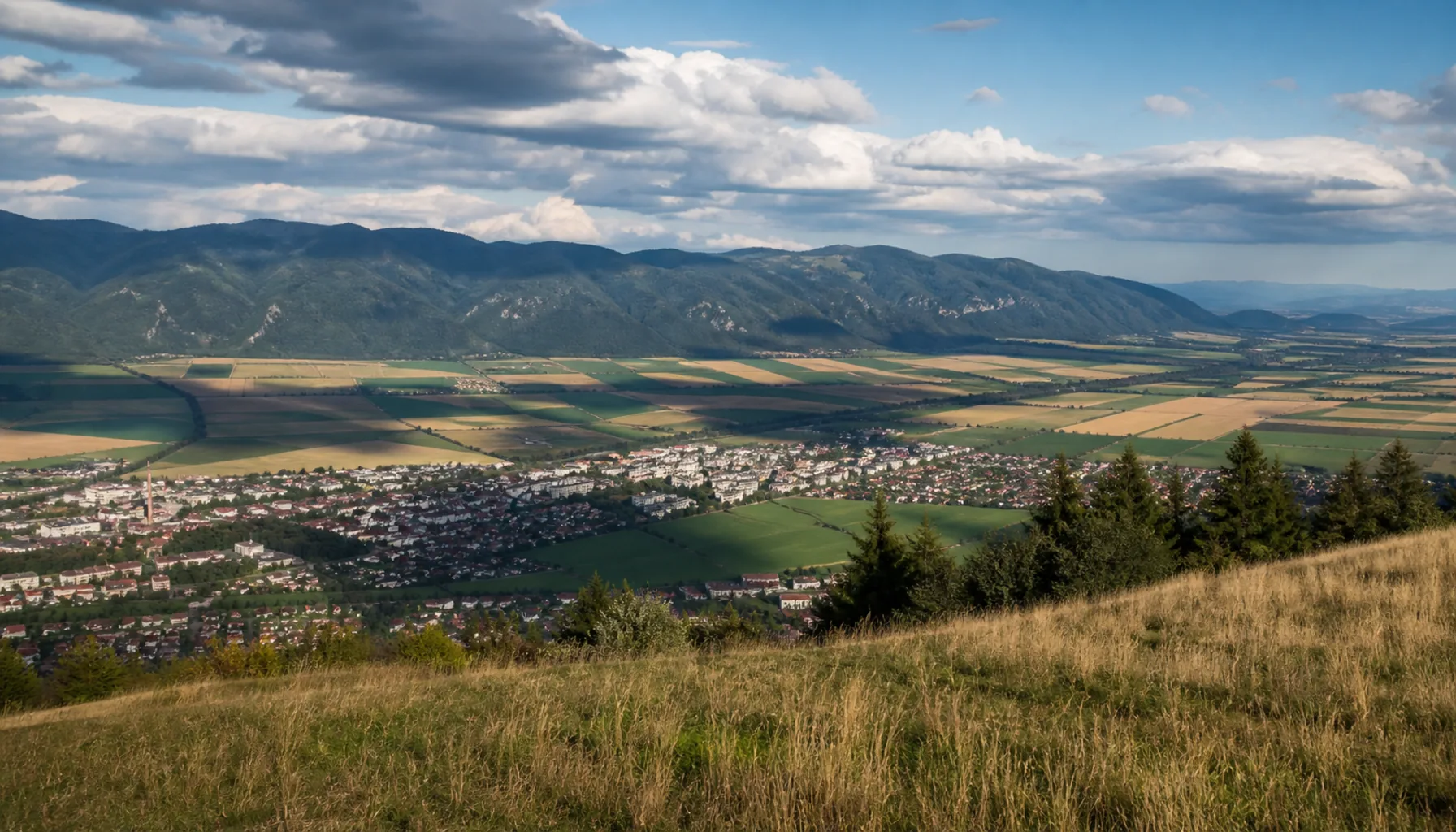
Martin sits in the Turiec basin with a mountain range on either side: the Malá Fatra to the west and the Veľká Fatra to the east, whose Gaderská and Blatnická valleys cut back into limestone within half an hour of the town. Above Martin itself are the Martinské hole, the town's own ski slopes, high and treeless with the whole basin below them. North-east, the ruin of Sklabiňa Castle was the seat of the old Turiec county. And an easy drive north-west, through the gap in the hills, is Žilina and the Váh.Martin leží v Turčianskej kotline a pohorie má z oboch strán: Malú Fatru na západe a Veľkú Fatru na východe, ktorej Gaderská a Blatnická dolina sa zarezávajú do vápenca do polhodiny od mesta. Nad samotným Martinom sú Martinské hole, mestské lyžiarske svahy, vysoké a bezlesné, s celou kotlinou pod nimi. Na severovýchode bola zrúcanina Sklabinského hradu sídlom starej Turčianskej stolice. A kúsok autom na severozápad, cez sedlo v kopcoch, je Žilina a Váh.