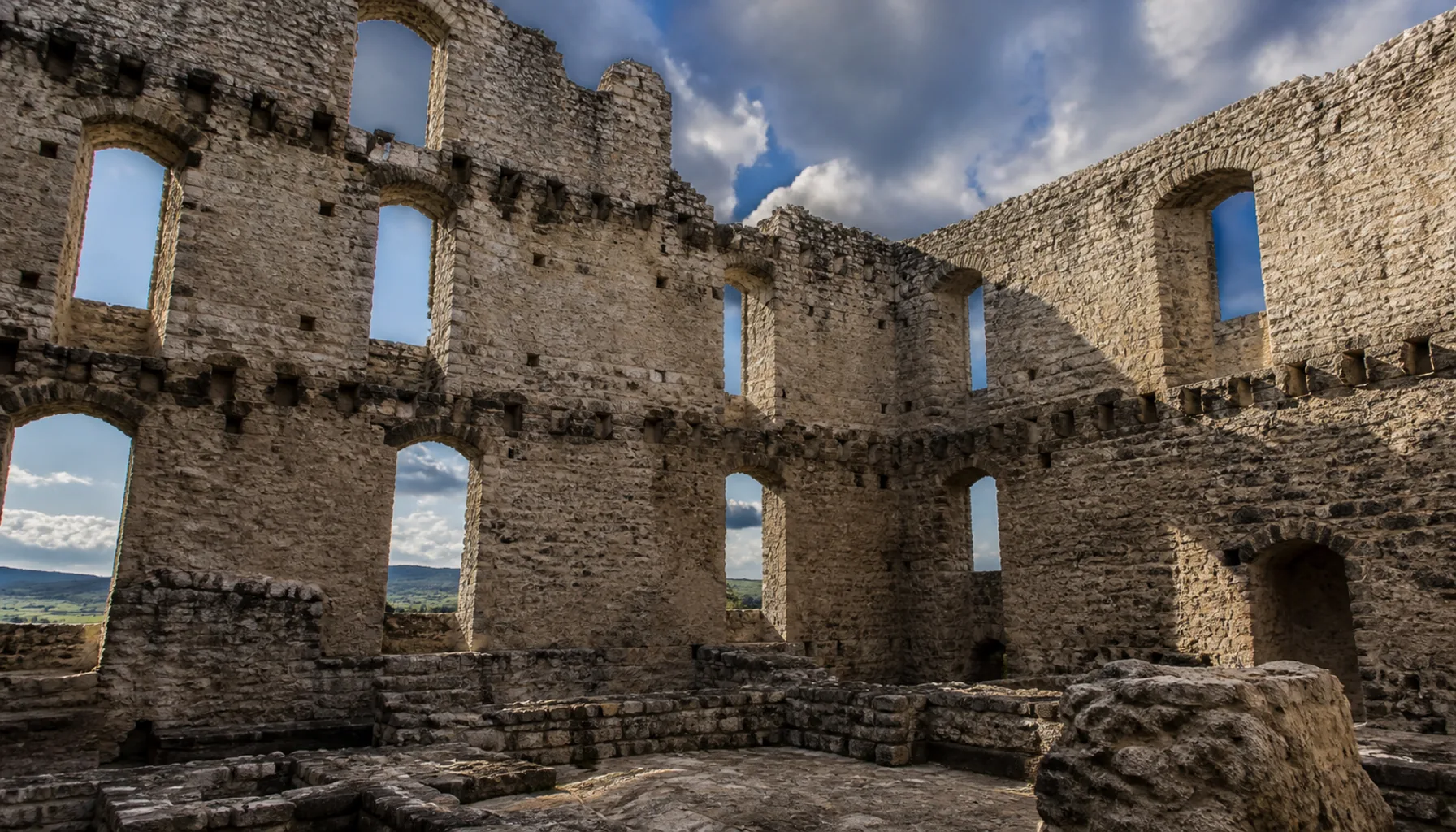
Born in These Walls, Unroofed in One NightNarodený v týchto múroch, o strechy pripravený za jednu noc
Tradition holds that John Zápolya — Ján Zápoľský, who would later be elected King of Hungary — was born inside these walls in the 1480s, at the moment when his family was at the height of its power and Spiš was its greatest possession. The story is told at the castle, repeated in every guidebook, and entirely plausible on the face of it; it is also exactly the kind of claim that medieval record-keeping cannot settle one way or the other. Take it as the castle's proudest tradition rather than as a documented fact.Tradícia hovorí, že Ján Zápoľský — neskôr zvolený za uhorského kráľa — sa narodil v týchto múroch v osemdesiatych rokoch pätnásteho storočia, v čase, keď bol jeho rod na vrchole moci a Spišský hrad jeho najväčším majetkom. Príbeh sa rozpráva priamo na hrade, opakuje ho každý sprievodca a na prvý pohľad znie úplne vierohodne; zároveň je to presne to tvrdenie, ktoré stredoveké písomnosti nedokážu ani potvrdiť, ani vyvrátiť. Berte to skôr ako najhrdejšiu tradíciu hradu než ako doložený fakt.
A king may have been born here. A fire, three centuries later, made sure that nobody ever would be again.Možno sa tu narodil kráľ. Požiar o tri storočia neskôr sa postaral o to, aby sa tu už nikto nenarodil.
The ending is far better recorded. In 1780 fire ran through the castle and took the roofs with it. By then the Csáky family had long preferred their manor houses down in the valley, and nobody had the will or the money to re-roof a hilltop fortress that no longer defended anything. What started it has never been properly settled — a lightning strike is the version most often repeated locally, and it is not the only one — but the effect is beyond dispute. Everything above the vaults burned, and Spiš became the enormous open ruin you walk today. Systematic conservation only began in the later twentieth century and has continued ever since: what stands is standing on purpose, section by section, held up by decades of deliberate work.Koniec je zaznamenaný oveľa lepšie. V roku 1780 sa hradom prehnal požiar a vzal so sebou strechy. Csákyovci vtedy už dávno uprednostňovali svoje kaštiele dolu v doline a nikto nemal vôľu ani peniaze zastrešovať pevnosť na kopci, ktorá už nič nebránila. Čo požiar spôsobilo, sa nikdy poriadne neobjasnilo — najčastejšie sa v kraji opakuje verzia o údere blesku a nie je jediná — o následku však niet pochýb. Zhorelo všetko nad klenbami a zo Spišského hradu sa stala obrovská otvorená zrúcanina, akou je dodnes. Systematická konzervácia sa začala až v druhej polovici dvadsiateho storočia a odvtedy neprestala: to, čo stojí, stojí zámerne, časť po časti, držané desaťročiami cielenej práce.