Slovakia · MuseumsSlovensko · Múzeá

Museums & GalleriesMúzeá a galérie

The national museum is not one building but a scattered network, the national gallery keeps houses in four other towns, and almost every district capital holds a museum of its own. Slovak collections are numerous, small, and rarely where you expect them.Národné múzeum nie je jedna budova, ale rozptýlená sieť, národná galéria má domy v ďalších štyroch mestách a takmer každé okresné mesto si drží vlastné múzeum. Slovenské zbierky sú početné, malé a málokedy tam, kde by ste ich čakali.

A country of small collectionsKrajina malých zbierok

Slovakia has no single encyclopaedic museum of the kind Vienna and Budapest built in the nineteenth century, and it never did. Through most of the period when such institutions were being founded, the finest material collected here travelled to the capitals of whichever state the country belonged to. What grew instead was a dense mesh of local museums, most of them raised by a county learned society, a school or a town council.Slovensko nemá jedno veľké encyklopedické múzeum toho druhu, aké si v 19. storočí postavili Viedeň a Budapešť, a nikdy ho nemalo. Väčšinu obdobia, keď takéto inštitúcie vznikali, putoval najhodnotnejší tunajší materiál do hlavných miest štátu, ku ktorému krajina práve patrila. Namiesto toho vyrástla hustá sieť miestnych múzeí, ktoré najčastejšie zakladali župné učené spolky, školy alebo mestské rady.

The result is a museum landscape of many doors rather than one. A visit is rarely a whole day; more often the museum is half a manor house, one wing of a castle or the upper floor of a town hall, and it takes an hour. That is not a shortcoming to apologise for — it is what makes a collection here inseparable from the building that holds it.Výsledkom je múzejná krajina s mnohými dverami namiesto jedných. Návšteva málokedy zaberie celý deň; múzeum býva skôr polovicou kaštieľa, jedným krídlom hradu alebo horným poschodím radnice a prejdete ho za hodinu. Nie je to nedostatok, za ktorý by sa bolo treba ospravedlňovať — práve preto je tunajšia zbierka neoddeliteľná od budovy, v ktorej sídli.

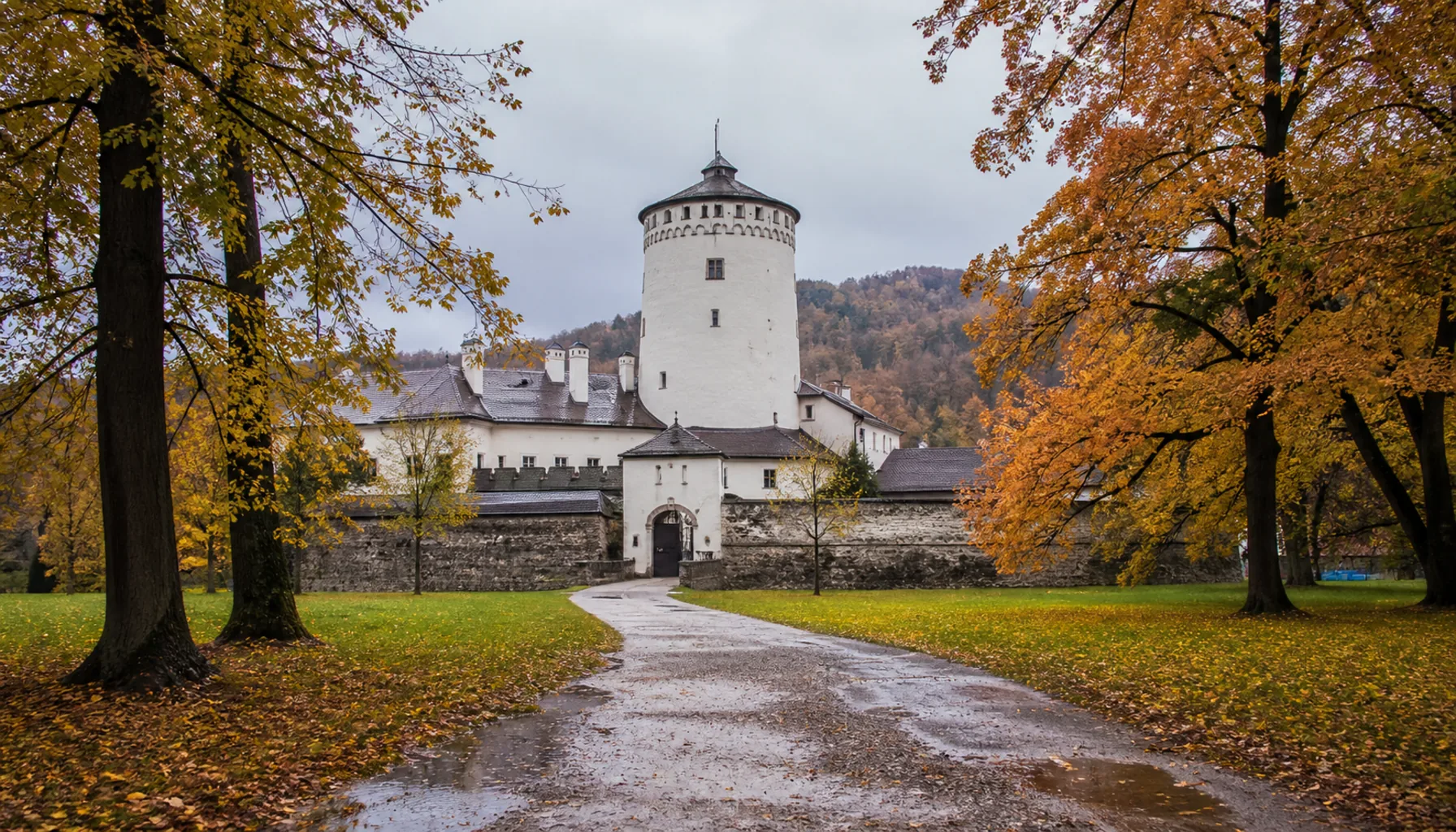
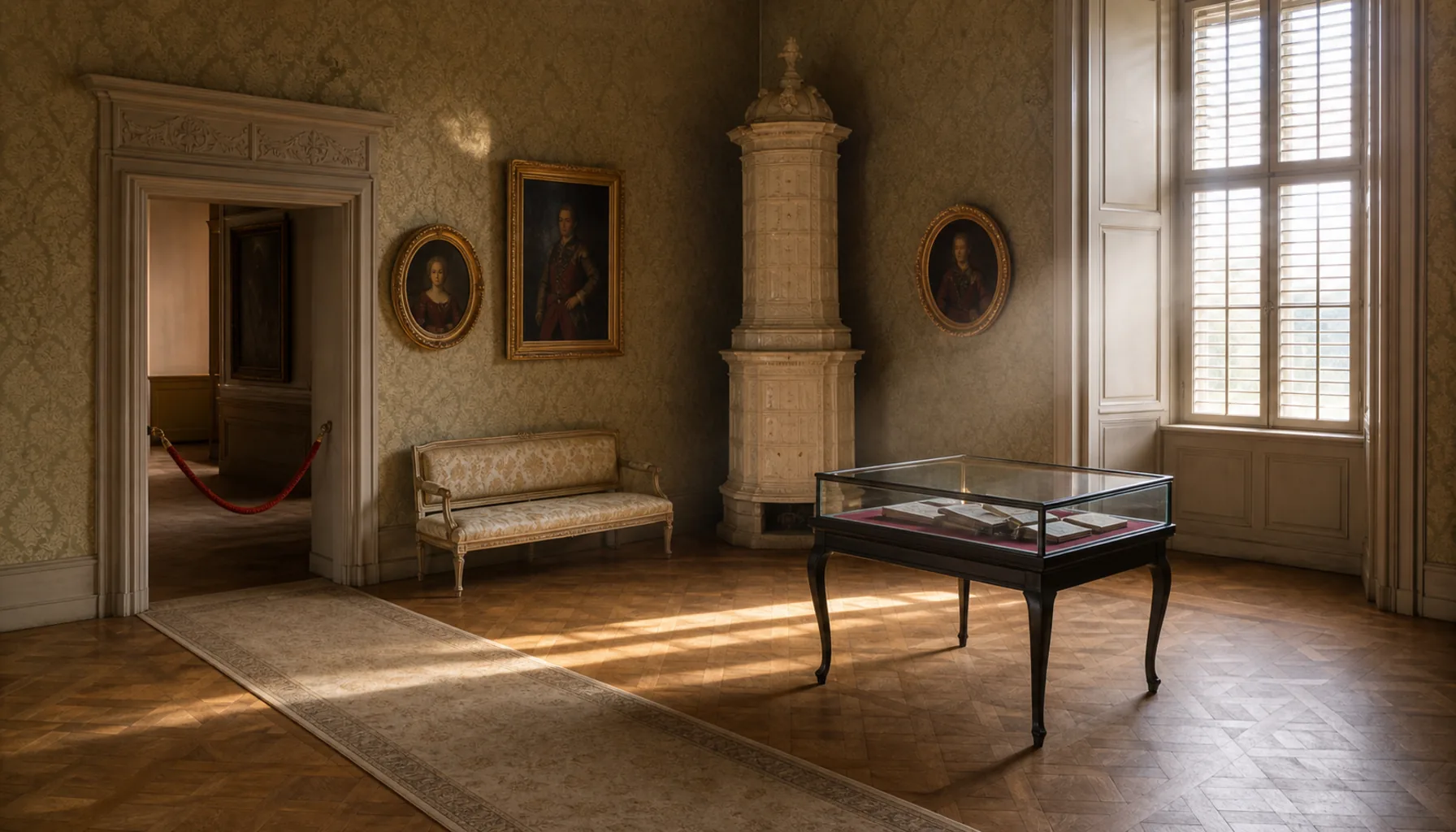
The building is usually the best one in town: the county hall, the Renaissance burgher house on the square, the manor with its park. In a country where the estates were nationalised and the families who owned them left, the museum is largely what the great houses became.Tou budovou býva to najlepšie, čo v meste stojí: župný dom, renesančný meštiansky dom na námestí, kaštieľ s parkom. V krajine, kde panstvá znárodnili a rodiny, ktorým patrili, odišli, sa z veľkých domov stali práve múzeá.
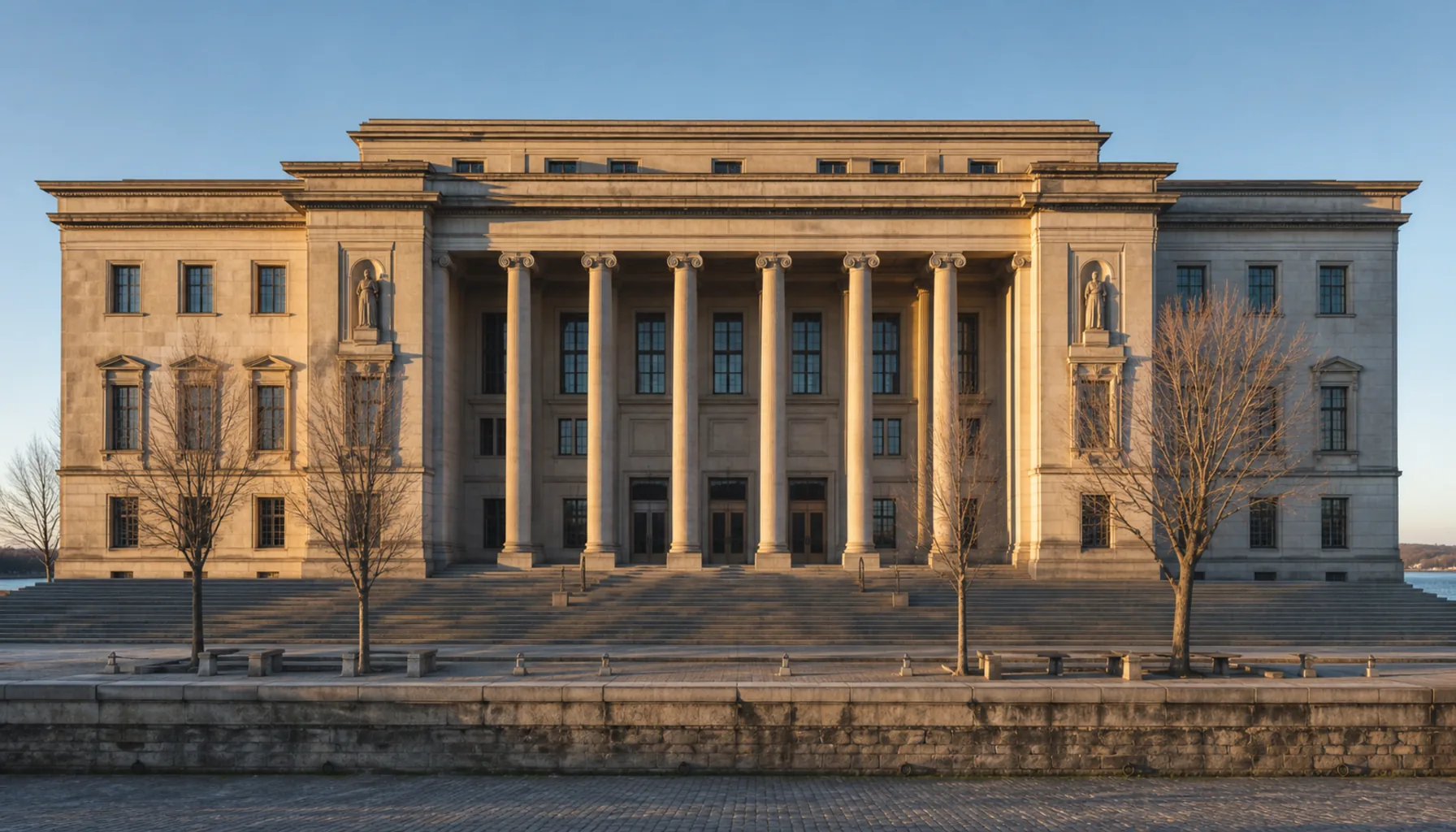
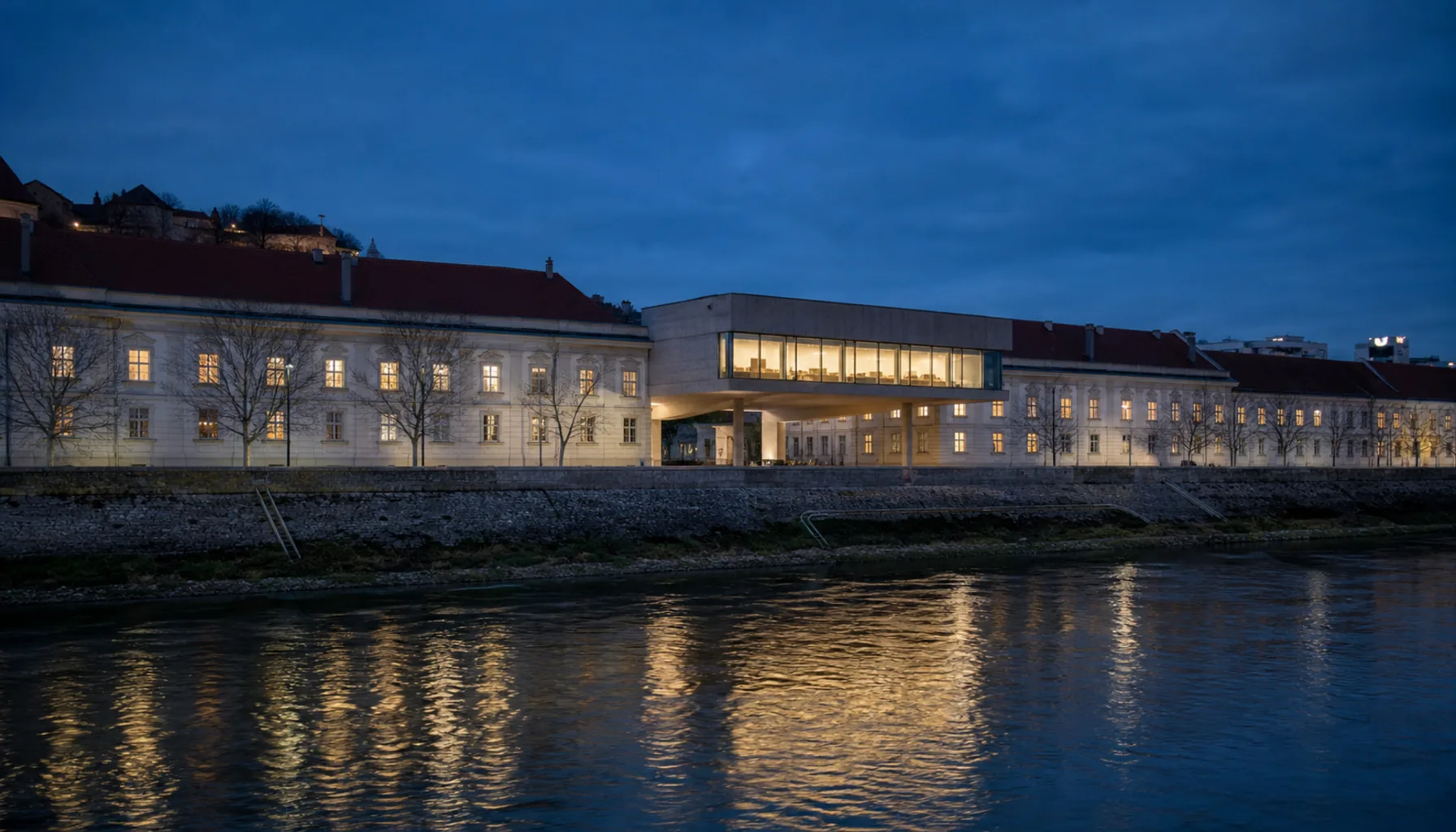
The Slovak National Gallery on the Danube embankment in Bratislava, its raised wing bridging the old barracks courtyard
The Slovak National Gallery on the Danube embankment in Bratislava, its raised wing bridging the old barracks courtyardSlovenská národná galéria na dunajskom nábreží v Bratislave s vyvýšeným krídlom nad nádvorím starých kasární

Who runs whatKto čo spravuje

Three layers hold the collections. The state runs the largest institutions directly: the Slovak National Museum, the Slovak National Gallery, the Slovak Technical Museum in Košice, the Slovak Mining Museum at Banská Štiavnica, the Museum of the Slovak National Uprising at Banská Bystrica and the museum of nature protection and speleology at Liptovský Mikuláš.Zbierky držia tri vrstvy. Najväčšie inštitúcie spravuje priamo štát: Slovenské národné múzeum, Slovenskú národnú galériu, Slovenské technické múzeum v Košiciach, Slovenské banské múzeum v Banskej Štiavnici, Múzeum Slovenského národného povstania v Banskej Bystrici a múzeum ochrany prírody a jaskyniarstva v Liptovskom Mikuláši.

Below them the eight self-governing regions run the regional museums and regional galleries — Tekov at Levice, Ponitrie at Nitra, Gemer-Malohont at Rimavská Sobota and a dozen more. Towns run their own: the city museum of Bratislava, founded in 1868, is the oldest museum in the country still working. There is a small private layer as well, of which Danubiana on the Danube below Bratislava is the best known.Pod nimi spravuje osem samosprávnych krajov regionálne múzeá a galérie — Tekovské v Leviciach, Ponitrianske v Nitre, Gemersko-malohontské v Rimavskej Sobote a ďalší tucet. Mestá majú svoje: Múzeum mesta Bratislavy, založené v roku 1868, je najstarším dodnes fungujúcim múzeom v krajine. Je tu aj malá súkromná vrstva, z ktorej je najznámejšia Danubiana na Dunaji pod Bratislavou.

Which body runs a museum matters more than it sounds. It decides the season, the ticket and whether the branch you drove to is open at all — a house belonging to a national institution often keeps different hours from the town museum one street away.To, kto múzeum spravuje, znamená viac, než sa zdá. Určuje sezónu, vstupné aj to, či je pobočka, do ktorej ste prišli, vôbec otvorená — dom národnej inštitúcie máva iné hodiny než mestské múzeum o ulicu ďalej.

What the collections holdČo je v zbierkach

The dominant type is the vlastivedné museum, a nineteenth-century idea that one institution should keep everything a district produced: its rocks and beetles, its graves, its guild chests, its embroidery and eventually its factory. Walking through one is a compressed course in a single landscape.Prevažujúcim typom je vlastivedné múzeum — myšlienka 19. storočia, podľa ktorej má jedna inštitúcia uchovávať všetko, čo okres vydal: horniny a chrobáky, hroby, cechové truhlice, výšivky a napokon aj továreň. Prejsť takým múzeom je zhustený kurz o jednej krajine.

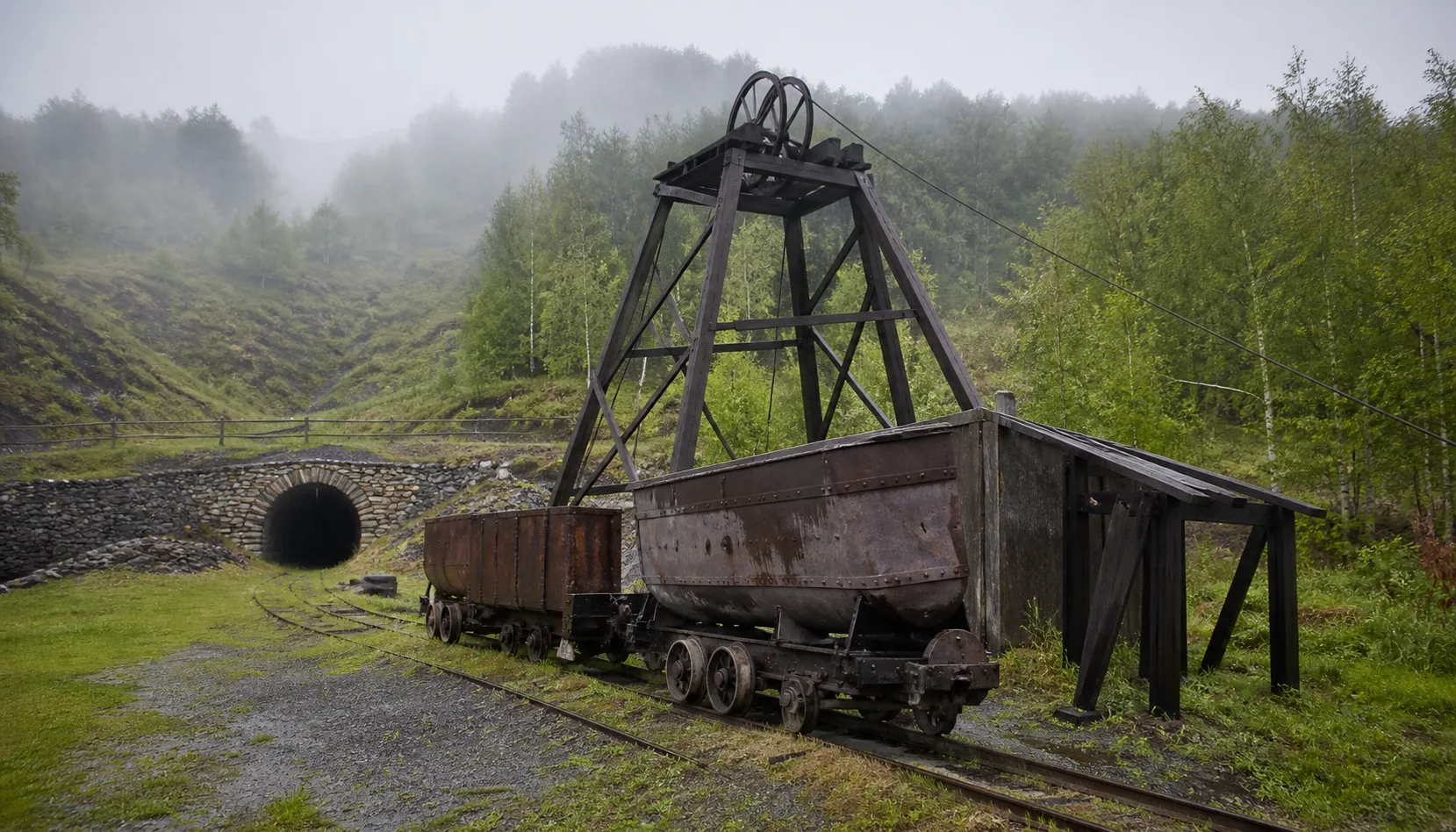
Above that sit the specialists. Where a region did one thing intensively, its museum is usually the best in the country on the subject: mining at Banská Štiavnica, coins at Kremnica, technology at Košice, balneology at Piešťany, the tinkers' wire craft at Budatín, icons at Bardejov.Nad tým stoja špecializované zbierky. Tam, kde región robil jednu vec naplno, býva jeho múzeum v tejto téme najlepšie v krajine: baníctvo v Banskej Štiavnici, mince v Kremnici, technika v Košiciach, balneológia v Piešťanoch, drotárstvo v Budatíne, ikony v Bardejove.

Art is organised separately, through the national gallery and its houses, a gallery in most regional capitals and the municipal galleries. Slovak art history — Gothic panel painting, the nineteenth century, the modernists between the wars, the post-war generation — is best followed across two or three of them rather than in any one.Umenie je usporiadané osobitne: národná galéria a jej domy, galéria vo väčšine krajských miest a mestské galérie. Dejiny slovenského umenia — gotická tabuľová maľba, 19. storočie, medzivojnová moderna, povojnová generácia — sa dajú najlepšie sledovať cez dve či tri z nich, nie v jednej jedinej.

How to use these chaptersAko čítať tieto kapitoly

What follows is written to say what kind of institution you are walking into before you buy a ticket: who runs it, what it actually contains, whether the interior can be seen alone or only with a guide, and what shuts in winter. It carries no opening times and no prices, because those change every season and the ticket desk is the only reliable source.Nasledujúce kapitoly majú povedať, do akej inštitúcie vchádzate, ešte skôr, než si kúpite vstupenku: kto ju spravuje, čo v nej naozaj je, či sa interiér dá prejsť samostatne alebo len so sprievodcom a čo v zime zatvára. Nenájdete v nich otváracie hodiny ani ceny — menia sa každú sezónu a jediným spoľahlivým zdrojom je pokladňa.

Two parts of the subject live elsewhere on this site. The open-air museums — the skanzeny, whole villages moved log by log and refurnished down to the spoons — have their own chapter in Culture. The castle and manor museums are covered on the pages of the buildings themselves, where the architecture comes first and the collection second.Dve časti témy nájdete inde na týchto stránkach. Múzeá v prírode — skanzeny, celé dediny prenesené brvno po brvne a zariadené do poslednej lyžice — majú vlastnú kapitolu v Kultúre. Hradné a kaštieľne múzeá sú opísané na stránkach samotných stavieb, kde je na prvom mieste architektúra a zbierka až za ňou.

The rest is what these chapters take on: the national institutions and their scattered branches, the regional museums and what is actually in them, the technical and industrial collections, the memorial houses, and the practical business of getting inside.Zvyšok si berú na starosť tieto kapitoly: národné inštitúcie a ich rozptýlené pobočky, regionálne múzeá a to, čo v nich naozaj je, technické a priemyselné zbierky, pamätné domy a praktická stránka toho, ako sa dostať dnu.

ExplorePreskúmajte

One page eachKaždé s vlastnou stránkou

← Discover Slovakia← Objavte Slovensko

WatchPozrite si

Sixteen videos for Museums & Galleries.Šestnásť videí — Múzeá a galérie.