Stupava · Záhorie under the Little CarpathiansStupava · Záhorie pod Malými Karpatmi
Two things belong to this town and to nowhere else: the cabbage grown in the gardens below it, and a potter's house with the wheel and the kiln still in it.Dve veci patria tomuto mestu a nikomu inému: kapusta zo záhrad pod ním a hrnčiarov dom, v ktorom stále stojí kruh aj pec.
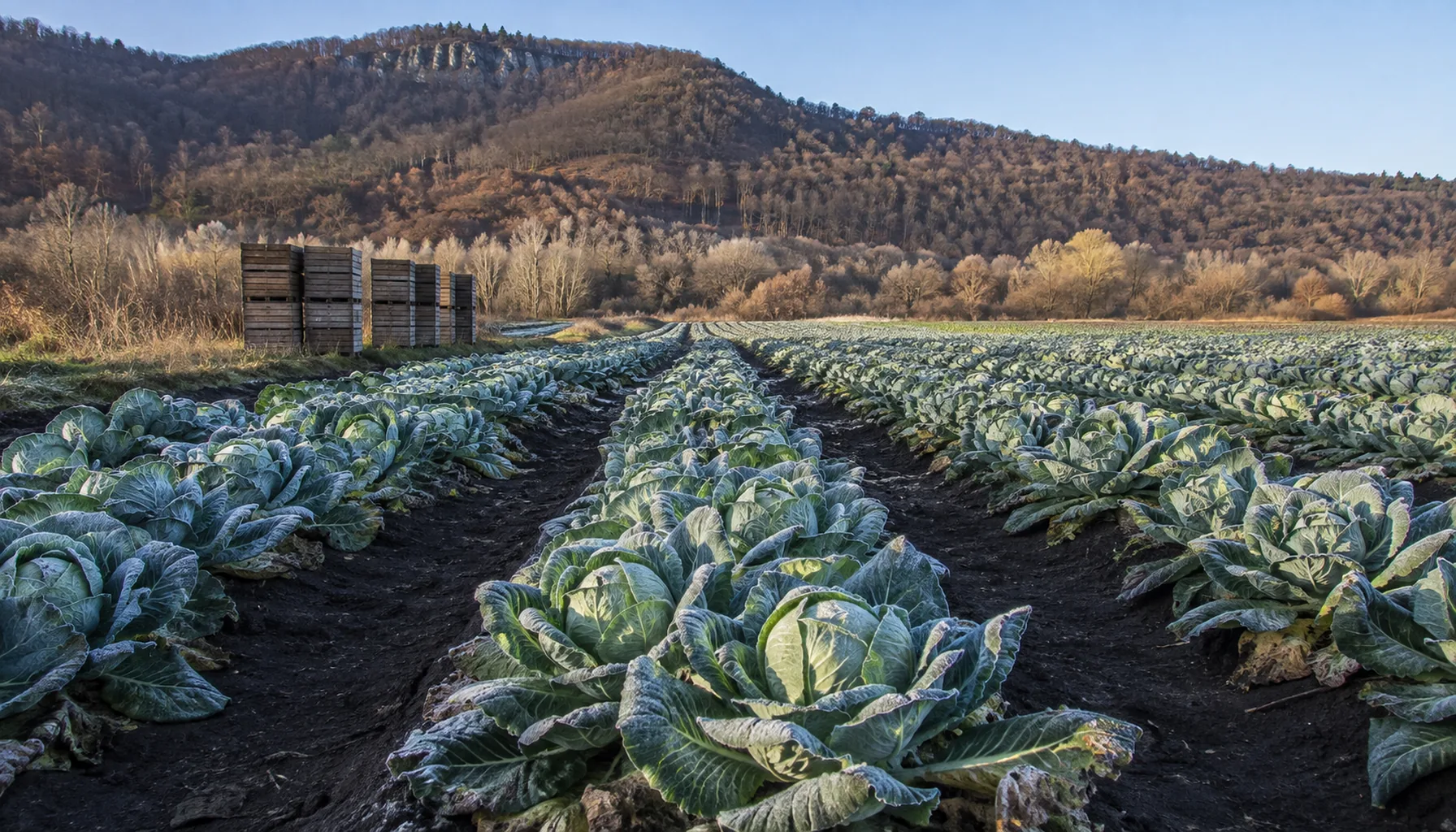
The fixed point of the year is the cabbage. The land below the town is fertile, well watered and traditionally worked in small market-garden plots, and every autumn a festival for it fills the streets for a weekend — zelé, in the local dialect, is what people here call the crop and the event alike. It is one of the better-attended small-town events near the capital, and it is genuinely about produce rather than about a theme invented for visitors.Pevným bodom roka je kapusta. Pôda pod mestom je úrodná, dobre zavlažovaná a odjakživa obrábaná v malých záhradkárskych políčkach a každú jeseň sa jej na jeden víkend venuje slávnosť, ktorá zaplní ulice — zelá, ako sa tu kapuste aj tej slávnosti po domácky hovorí. Patrí k najnavštevovanejším malomestským podujatiam v okolí hlavného mesta a naozaj ide o úrodu, nie o tému vymyslenú pre návštevníkov.
The rest of the calendar follows the gardens and the hills. Planting and cutting set the working year below the town; above it the marked trails climb quickly into the Little Carpathians, and the walking season runs from spring through to the first snow. The usual target is the ruin of Pajštún above neighbouring Borinka — an hour or so from the road, a wall of rock with a wrecked castle on top and a view over Bratislava and the whole Záhorie plain.Zvyšok kalendára sa riadi záhradami a kopcami. Sadenie a zber určujú pracovný rok pod mestom; nad ním značené chodníky rýchlo stúpajú do Malých Karpát a turistická sezóna trvá od jari po prvý sneh. Obvyklým cieľom je zrúcanina Pajštúna nad susednou Borinkou — hodinka od cesty, skalná stena so zrúcaným hradom na temene a výhľad na Bratislavu a celú Záhorskú nížinu.
Nothing else is named on this page. A town of this size keeps the calendar you would expect — church feasts, seasonal markets, a summer programme, whatever the cultural centre puts on — but it is set year by year and the town's own listings are the place to check it.Nič ďalšie tu menovať nebudeme. Mesto tejto veľkosti si vedie kalendár, aký človek čaká — hody, sezónne trhy, letný program, čo pripraví kultúrne stredisko — ale zostavuje sa rok po roku a treba ho hľadať v mestskom programe.
The Ferdiš Kostka Museum is the best single reason to stop in Stupava, and it is a small, specific place: the potter's own house, with his workshop, his wheel, his kiln and a large collection of his work. It opened as a museum in 1968, seventeen years after his death, and is now a branch of the Slovak National Museum.Múzeum Ferdiša Kostku je najlepší jediný dôvod, prečo v Stupave zastať, a je to malé, konkrétne miesto: hrnčiarov vlastný dom s dielňou, kruhom, pecou a veľkou zbierkou jeho práce. Ako múzeum ho otvorili roku 1968, sedemnásť rokov po jeho smrti, a dnes je pracoviskom Slovenského národného múzea.
Kostka was born in the town in 1878 into a family of potters, worked all his life in the old glazed technique, and in 1946 was among the very first people given the state title of National Artist. He died in 1951. A visitor gets both halves of him in the house: the trade as it was practised, and the shelves of what he made with it.Kostka sa v meste narodil roku 1878 do hrnčiarskej rodiny, celý život pracoval v starej glazovanej technike a v roku 1946 bol medzi prvými, komu udelili štátny titul národný umelec. Zomrel v roku 1951. Návštevník dostane v dome obe jeho polovice: remeslo tak, ako sa robilo, aj police toho, čo z neho vzišlo.
Around the museum the town has what a town of its size has, and we describe it as a category rather than name it, because premises and programmes change faster than a page like this does: a cultural centre with a hall and a programme, a library, amateur groups and a school of art for children.Okolo múzea má mesto to, čo mesto jeho veľkosti mať má, a radšej to opíšeme ako kategóriu, než by sme to menovali, lebo priestory a programy sa menia rýchlejšie ako takáto stránka: kultúrne stredisko so sálou a programom, knižnica, ochotnícke súbory a základná umelecká škola.
The manor house and its park stand at the edge of the centre. It began as a water castle and was rebuilt in the calmer eighteenth century into a comfortable country house, because a lord no longer needed a moat to sleep safely. The Pálffys held the estate from 1592 for nearly three hundred years, and the Károlyi family took it over in 1867. The building has waited a long time for a full restoration; that is visible from the outside, and the park is the honest way to look at it.Kaštieľ so svojím parkom stojí na okraji centra. Začínal ako vodný hrad a v pokojnejšom osemnástom storočí ho prestavali na pohodlné vidiecke sídlo, lebo pán už na pokojný spánok priekopu nepotreboval. Pálffyovci držali panstvo od roku 1592 takmer tristo rokov, v roku 1867 ho prevzali Károlyiovci. Budova čaká na úplnú obnovu veľmi dlho; vidno to už zvonku a park je poctivý spôsob, ako si ju obzrieť.
The other building belonging to the town is not in it. Pajštún, on the crag above Borinka, was one of a chain of stone castles the kingdom put up to watch this north-western corner and is documented in 1273; whoever held it held Stupava for the next six hundred years. It burned in the middle of the eighteenth century, and was finished off in 1809 — not by Turks, as such ruins are usually said to have been, but by Napoleon's soldiers, who pulled the walls down.Druhá budova, ktorá k mestu patrí, v ňom nestojí. Pajštún na brale nad Borinkou bol jedným z reťaze kamenných hradov, ktorými kráľovstvo strážilo tento severozápadný kút, a spomína sa roku 1273; kto ho držal, držal ďalších šesťsto rokov aj Stupavu. V polovici osemnásteho storočia vyhorel a dorazili ho v roku 1809 — nie Turci, ako sa o takých zrúcaninách zvykne hovoriť, ale Napoleonovi vojaci, ktorí múry zbúrali.
Older than any of it, on the edge of the town, archaeologists have uncovered a substantial building of Roman type with a heated bath, dated to around the third century AD. This was the barbarian bank of the Danube, and what the building was is still argued over: a military station, a trading post for Roman merchants working beyond the empire, or the house of a Germanic chief who had acquired Roman comforts. That the argument is possible at all is the interesting part.Staršie než čokoľvek z toho je nález na okraji mesta: archeológovia tu odkryli rozsiahlu stavbu rímskeho typu s vykurovaným kúpeľom, datovanú približne do tretieho storočia. Toto bol barbarský breh Dunaja a o tom, čo tá stavba bola, sa dodnes vedie spor: vojenská stanica, obchodná stanica rímskych kupcov pracujúcich za hranicou ríše, alebo dom germánskeho náčelníka, ktorý si osvojil rímske pohodlie. Zaujímavé je práve to, že sa taký spor vôbec dá viesť.
Stupava's pottery is inherited, not invented. The Habans — Anabaptist refugees driven out of Moravia and the Tyrol, whom the Pálffys settled at Veľké Leváre to the north — were superb potters, and their tin-glazed blue-and-white ware set the standard for every workshop in Záhorie. The Kostka family traced their own craft back to that line. In the calmer eighteenth century the trade expanded and Stupava became a town of jug-makers.Hrnčiarstvo je v Stupave zdedené, nie vymyslené. Habáni — anabaptistickí utečenci vyhnaní z Moravy a Tirolska, ktorých Pálffyovci usadili vo Veľkých Levároch na severe — boli vynikajúci hrnčiari a ich modrobiely riad pod cínovou polevou určoval mieru všetkým dielňam na Záhorí. Kostkovci odvodzovali svoje remeslo práve od tejto línie. V pokojnejšom osemnástom storočí sa remeslo rozšírilo a zo Stupavy sa stalo mesto džbánkarov.
What Ferdiš Kostka did with the technique is why the town is known. He used it for figures rather than vessels: peasants, musicians, weddings, whole scenes of village life, very often funny. Folk pottery of that period is usually solemn; his is not, and that is the thing to look for on the shelves. It is also the reason people who have never set foot in Stupava know the name of the place.To, čo s touto technikou urobil Ferdiš Kostka, je dôvod, prečo je mesto známe. Použil ju na figúry, nie na nádoby: sedliaci, muzikanti, svadby, celé výjavy z dedinského života, veľmi často žartovné. Ľudová keramika tej doby býva vážna; jeho nie, a práve to treba na policiach hľadať. Je to aj dôvod, prečo meno Stupavy poznajú aj ľudia, ktorí v nej nikdy neboli.
Sixteen videos for Culture in Stupava.Šestnásť videí — Kultúra v Stupave.