Bratislava region · TownsBratislavský kraj · Mestá
StupavaStupava
A small town on the Záhorie side of the Little Carpathians, known for two local things: the cabbage grown in the fields around it, celebrated every autumn, and the folk pottery of Ferdiš Kostka, whose house and kiln are now a museum.Malé mesto na záhorskej strane Malých Karpát, známe dvoma miestnymi vecami: kapustou z okolitých polí, ktorá má každú jeseň vlastnú slávnosť, a ľudovou keramikou Ferdiša Kostku, ktorého dom s pecou je dnes múzeom.
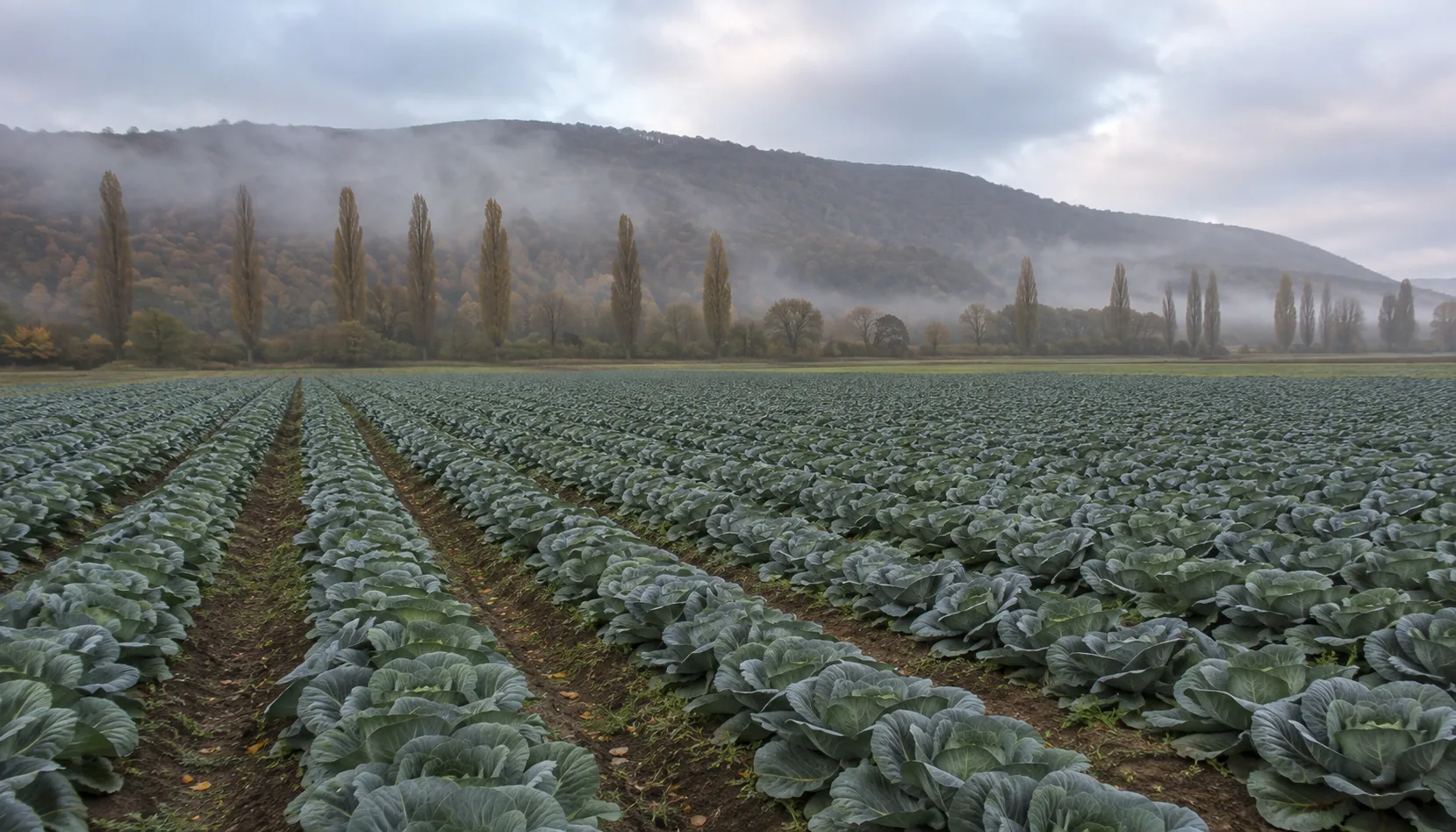
Cabbage fields on the plain below Stupava with the Little Carpathians behindKapustné polia na rovine pod Stupavou, v pozadí Malé Karpaty
Where it standsKde leží
Stupava lies about 15 kilometres north of Bratislava at the western foot of the Little Carpathians, where the wooded slope drops abruptly to the Záhorie plain. The old road north to Malacky runs through the town and the motorway passes just to the west, which puts the capital within twenty minutes.Stupava leží asi 15 kilometrov severne od Bratislavy na západnom úpätí Malých Karpát, kde zalesnený svah prudko klesá do záhorskej roviny. Mestom vedie stará cesta na sever do Malaciek a hneď na západ prechádza diaľnica, takže hlavné mesto je na dvadsať minút cesty.
The land below the town is fertile, well watered and traditionally worked in small market-garden plots — which is where the cabbage comes from.Pôda pod mestom je úrodná, dobre zavlažená a tradične obrábaná v malých záhradkárskych políčkach — a práve odtiaľ pochádza kapusta.
The storyHistória
This was frontier country in Roman times, on the barbarian side of the Danube, and Roman-period foundations have been excavated on the edge of the town — a reminder that the empire's reach north of the river was more than an occasional patrol. What stood here exactly is still argued over.V rímskych časoch to bola pohraničná krajina, na barbarskej strane Dunaja, a na okraji mesta odkryli základy stavby z rímskeho obdobia — pripomienku, že dosah ríše na sever od rieky bol viac než občasná hliadka. O tom, čo tu presne stálo, sa dodnes vedú spory.
In the Middle Ages and after, Stupava was a market town on the road to Moravia, and its manor house passed through a succession of noble owners before coming to the Pálffys, who held it together with Malacky on the other side of the plain. The estate shaped the town until the twentieth century.V stredoveku a po ňom bola Stupava trhovým mestečkom na ceste na Moravu a jej kaštieľ prešiel radom šľachtických majiteľov, kým sa nedostal k Pálfiovcom, ktorí ho držali spolu s Malackami na druhej strane roviny. Panstvo formovalo mesto až do 20. storočia.
Pottery is the other inheritance. The Anabaptist Habans who settled in western Slovakia in the sixteenth and seventeenth centuries left a tradition of glazed earthenware behind them, and in the first half of the twentieth century Ferdiš Kostka carried it on in Stupava, working in the old technique and becoming the best-known folk potter in the country.Druhým dedičstvom je keramika. Novokrstenskí habáni, ktorí sa v 16. a 17. storočí usadili na západnom Slovensku, po sebe zanechali tradíciu glazovaného hrnčiarstva a v prvej polovici 20. storočia v nej v Stupave pokračoval Ferdiš Kostka — pracoval starou technikou a stal sa najznámejším ľudovým hrnčiarom v krajine.
What to seeČo vidieť
The Ferdiš Kostka Museum is the potter's own house: workshop, wheel, kiln and a large collection of his work, kept as part of the Slovak National Museum. It is a small, specific place and the best single reason to stop in the town.Múzeum Ferdiša Kostku je hrnčiarov vlastný dom: dielňa, kruh, pec a rozsiahla zbierka jeho prác, spravovaná ako súčasť Slovenského národného múzea. Je to malé, konkrétne miesto a najlepší jediný dôvod zastaviť sa v meste.
The manor house and its park stand at the edge of the centre; the building has waited a long time for a full restoration and is best appreciated from the park. The autumn cabbage festival — zelé in the local dialect — fills the streets for a weekend each year and is one of the better-attended small-town events near the capital.Kaštieľ s parkom stojí na okraji centra; budova čaká na úplnú obnovu už dlho a najlepšie sa na ňu pozerá z parku. Jesenná slávnosť kapusty — po záhorsky zelé — na jeden víkend v roku zaplní ulice a patrí k najnavštevovanejším malomestským podujatiam pri hlavnom meste.
Above the town the marked trails climb quickly into the Little Carpathians. The nearest and best-known target is the ruin of Pajštún above the neighbouring village of Borinka: a wall of rock with the castle on top, an hour or so from the road, and a view that takes in Bratislava, the Záhorie plain and, on a clear day, Austria.Nad mestom sa značené chodníky rýchlo dvíhajú do Malých Karpát. Najbližším a najznámejším cieľom je zrúcanina Pajštúna nad susednou Borinkou: skalná stena s hradom na temene, asi hodinu od cesty, a výhľad, do ktorého sa zmestí Bratislava, záhorská rovina a za jasného dňa aj Rakúsko.
Work and industryPráca a priemysel
Market gardening is still real here — cabbage above all, but vegetables generally — and small manufacturing and building trades fill the industrial edge of the town. Forestry works the hills behind.Zeleninárstvo je tu stále skutočné — predovšetkým kapusta, ale zelenina vo všeobecnosti — a na priemyselnom okraji mesta pôsobia drobná výroba a stavebné firmy. V kopcoch za mestom sa hospodári v lese.
Everything else is the commute. Stupava has grown quickly as Bratislava has spread north, and much of the newer housing belongs to people who work in the city and sleep here.Všetko ostatné je dochádzanie. Stupava rýchlo rástla, ako sa Bratislava rozťahovala na sever, a veľká časť novšej zástavby patrí ľuďom, ktorí pracujú v meste a spia tu.
Getting thereAko sa tam dostať
There is no passenger railway in the town: the nearest station on the Bratislava–Kúty line is at Zohor, a few kilometres west. Frequent regional buses from Bratislava are the practical way in, and by car it is a short run up the old road or off the motorway.Osobná železnica v meste nie je: najbližšia stanica na trati Bratislava – Kúty je v Zohore pár kilometrov na západ. Praktickým spojením sú časté regionálne autobusy z Bratislavy, autom je to krátky kus po starej ceste alebo z diaľnice.
Explore StupavaObjavujte Stupava
Every part of this place with a page of its own.Každá časť tohto miesta, ktorá má vlastnú stránku.