Žarnovica · The Hron and the Štiavnica HillsŽarnovica · Pohronie a Štiavnické vrchy
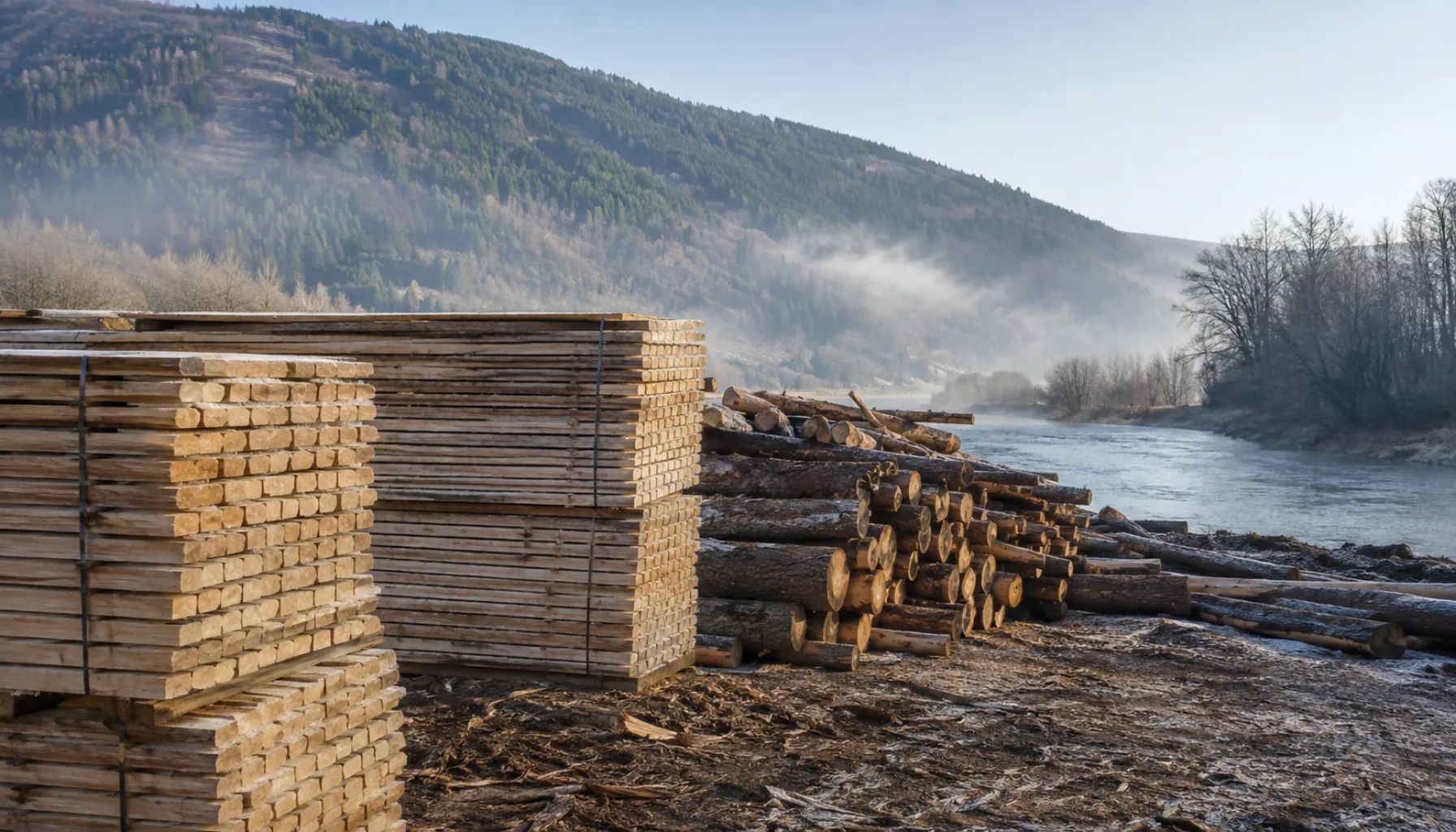
A timber and market town on the Hron with a Gothic parish church and a much-rebuilt manor house at its centre, the ruin of Revište on its rock upstream, and a mining valley behind it that has been doing the same thing for six hundred years.Drevárske a trhové mesto na Hrone s gotickým farským kostolom a mnohokrát prestavaným kaštieľom v strede, so zrúcaninou Revišťa na skale proti prúdu a s banskou dolinou za chrbtom, ktorá robí to isté už šesťsto rokov.
Žarnovica keeps the calendar of a small district seat — it has only been one since 1996 — with a cultural centre and a hall, the church year, the school year, a market, and the summer months when the valleys behind the town fill with walkers. We name no annual festival, because we cannot confirm one from a distance.Žarnovica si vedie kalendár malého okresného sídla — a sídlom je až od roku 1996: kultúrne stredisko so sálou, cirkevný rok, školský rok, trh a letné mesiace, keď sa doliny za mestom naplnia turistami. Nijaké výročné podujatie tu nemenujeme, lebo ho na diaľku nevieme overiť.
One date in the district is fixed and is not a celebration. The two villages at the head of the Kľak valley, Ostrý Grúň and Kľak, carry war memorials — the first raised in 1952 — and their anniversary in January is still kept. Those memorials are why most visitors drive up that valley at all.Jeden dátum v okrese je pevný a nie je oslavou. Dve dediny na konci Kľakovskej doliny, Ostrý Grúň a Kľak, majú vojnové pamätníky — prvý z roku 1952 — a ich januárové výročie sa stále pripomína. Práve kvôli nim väčšina návštevníkov do tej doliny vôbec zájde.
Otherwise the real seasonal event is the walking season, and two things are worth timing for: Revište on a clear day, when the view down the Hron carries, and the Kľak valley in autumn, when the road that ends among the villages at its head is worth driving for the beech woods.Inak je skutočným sezónnym podujatím turistická sezóna a načasovať cestu sa oplatí kvôli dvom veciam: Revišťu za jasného dňa, keď výhľad dolu Hronom siaha ďaleko, a Kľakovskej doline na jeseň, keď cesta končiaca medzi dedinami stojí za jazdu už len kvôli bučinám.
The town's own provision is the ordinary set: a cultural centre with a hall and a programme, a library, amateur music and a school of art for children. We name none of them individually, because programmes and premises change faster than a page like this does. Whether any part of the manor house in the centre is open is the same kind of question — check locally rather than turning up expecting a museum.Vlastná výbava mesta je tá bežná: kultúrne stredisko so sálou a programom, knižnica, amatérska hudba a základná umelecká škola. Jednotlivo ich nemenujeme, pretože programy a priestory sa menia rýchlejšie než takáto stránka. Rovnaká otázka je, či je z kaštieľa v centre niečo prístupné — radšej si to overte na mieste, než by ste prišli s očakávaním múzea.
For museums and a full season, Žarnovica is well placed rather than well supplied. Banská Štiavnica lies over the hills to the south-east and is one of the great cultural towns of the country; Žiar nad Hronom is a quarter of an hour upstream. Buses run over to Hodruša-Hámre and on to Banská Štiavnica.Čo sa múzeí a plnej sezóny týka, Žarnovica má skôr dobrú polohu než vlastnú ponuku. Banská Štiavnica leží za kopcami na juhovýchode a patrí k najvýznamnejším kultúrnym mestám krajiny; Žiar nad Hronom je štvrťhodinu proti prúdu. Autobusy jazdia do Hodruše-Hámrov a ďalej do Banskej Štiavnice.
Two buildings in the middle of the town tell you who ran it. The Gothic parish Church of Saints Peter and Paul dates from around 1400. The manor house on the rocky knoll beside it went up around 1490, was fortified between 1530 and 1550 when Ottoman raiding parties began crossing these hills, burned in 1848 and was rebuilt with an extra storey and a late-Classicist front — which is why a fifteenth-century building looks nineteenth-century from the street.Dve budovy v strede mesta prezradia, kto ho spravoval. Gotický farský Kostol svätého Petra a Pavla pochádza z čias okolo roku 1400. Kaštieľ na skalnatom brale vedľa neho vznikol okolo roku 1490, v rokoch 1530 až 1550 ho opevnili, keď cez tieto kopce začali prechádzať osmanské lúpežné výpravy, v roku 1848 vyhorel a znovu ho postavili s ďalším podlažím a neskoroklasicistickým priečelím — preto stavba z pätnásteho storočia vyzerá z ulice ako devätnáste.
Žarnovica was never a free royal town like Kremnica or Nová Baňa. It belonged to whoever held the castle, and its people were a lord's subjects rather than the king's burghers until 1848 abolished serfdom — the same year the manor burned. That is the difference you are looking at: no grand square, no burgher palaces, a few older streets along the through road and post-war housing behind them.Žarnovica nikdy nebola slobodným kráľovským mestom ako Kremnica či Nová Baňa. Patrila tomu, kto držal hrad, a jej ľudia boli poddanými zemepána, nie kráľovskými mešťanmi — až kým rok 1848 nezrušil poddanstvo; v tom istom roku kaštieľ vyhorel. Práve na tento rozdiel sa pozeráte: nijaké veľké námestie, nijaké meštianske paláce, pár starších ulíc pozdĺž prieťahu a za nimi povojnová zástavba.
The building that carries the history of the valley is a few kilometres upstream and has no roof. Revište was a royal castle of the generation raised after the Mongol invasion of 1241, first named in 1265, and its job was a road rather than a border: everything the mining towns produced went down the Hron past this rock. The Dóczy family held it for nearly two hundred years; it passed to the mining chamber at Banská Štiavnica in 1676, was badly damaged in the Thököly uprising, and burned once its garrison was gone. Volunteers and heritage workers are consolidating it, and the walls are in better shape than a generation ago.Budova, ktorá nesie dejiny doliny, stojí pár kilometrov proti prúdu a nemá strechu. Revište bol kráľovský hrad tej generácie, ktorá vznikala po mongolskom vpáde roku 1241, prvý raz spomenutý v roku 1265, a jeho úlohou nebola hranica, ale cesta: všetko, čo banské mestá vyprodukovali, šlo dolu Hronom popod túto skalu. Rod Dóczyovcov ho držal takmer dvesto rokov; v roku 1676 prešiel banskej komore v Banskej Štiavnici, ťažko ho poškodilo Thökölyho povstanie a po odchode posádky vyhorel. Dobrovoľníci a pamiatkari ho konzervujú a múry sú na tom lepšie než pred generáciou.
Up the side valley towards Banská Štiavnica lies Hodruša-Hámre, a mining village strung along its stream for kilometres. The second half of the name records the hámre, the water-driven hammer mills that beat the metal the mines produced, and the village has the shape those trades gave it: no square, no centre, a line of plain houses following the water.Bočnou dolinou smerom na Banskú Štiavnicu ležia Hodruša-Hámre, banská obec roztiahnutá pozdĺž potoka na kilometre. Druhá polovica mena zaznamenáva hámre — vodou poháňané dielne, ktoré tĺkli kov vyťažený v baniach — a obec má tvar, aký jej dali tieto remeslá: nijaké námestie, nijaké centrum, len rad jednoduchých domov pri vode.
The Rozália mine above the village still produces gold, which makes it one of the last working gold mines in Europe and a rare corner of the continent where the medieval trade never entirely stopped. That matters here, because it means this is not heritage: the valley keeps its ponds, its adits and its houses because the work carried on.Baňa Rozália nad obcou stále ťaží zlato, čo z nej robí jednu z posledných činných zlatých baní v Európe a vzácny kút kontinentu, kde stredoveké remeslo nikdy celkom neustalo. Tu je to podstatné, lebo to znamená, že nejde o pamiatku: dolina si udržala svoje tajchy, štôlne aj domy preto, že práca pokračovala.
The ponds are worth the detour on their own. They were dug to drive the machinery of the Štiavnica mining district and are now what people swim in and walk around. Standing on the dam of one, in a valley mined since the Middle Ages and still being mined, tells you more about how this country was built than most museums will.Samotné tajchy stoja za zachádzku. Vykopali ich, aby poháňali stroje štiavnického banského revíru, a dnes sú tým, v čom sa ľudia kúpu a okolo čoho chodia. Stáť na hrádzi jedného z nich v doline, kde sa ťaží od stredoveku a ťaží sa dodnes, povie o tom, ako táto krajina vznikla, viac než väčšina múzeí.
Sixteen videos for Culture in Žarnovica.Šestnásť videí — Kultúra v Žarnovici.