Poltár · Novohrad and the upper IpeľPoltár · Novohrad a horný Ipeľ

Culture in PoltárKultúra v Poltári

One of the smallest district towns in Slovakia, with no market square to speak of and a whole valley of dead glass furnaces behind it: Poltár's culture is the craft it lost and the skill it kept.Jedno z najmenších okresných miest na Slovensku, bez skutočného námestia a s celou dolinou vyhasnutých sklárskych pecí za chrbtom: kultúrou Poltára je remeslo, ktoré stratil, a zručnosť, ktorá mu zostala.

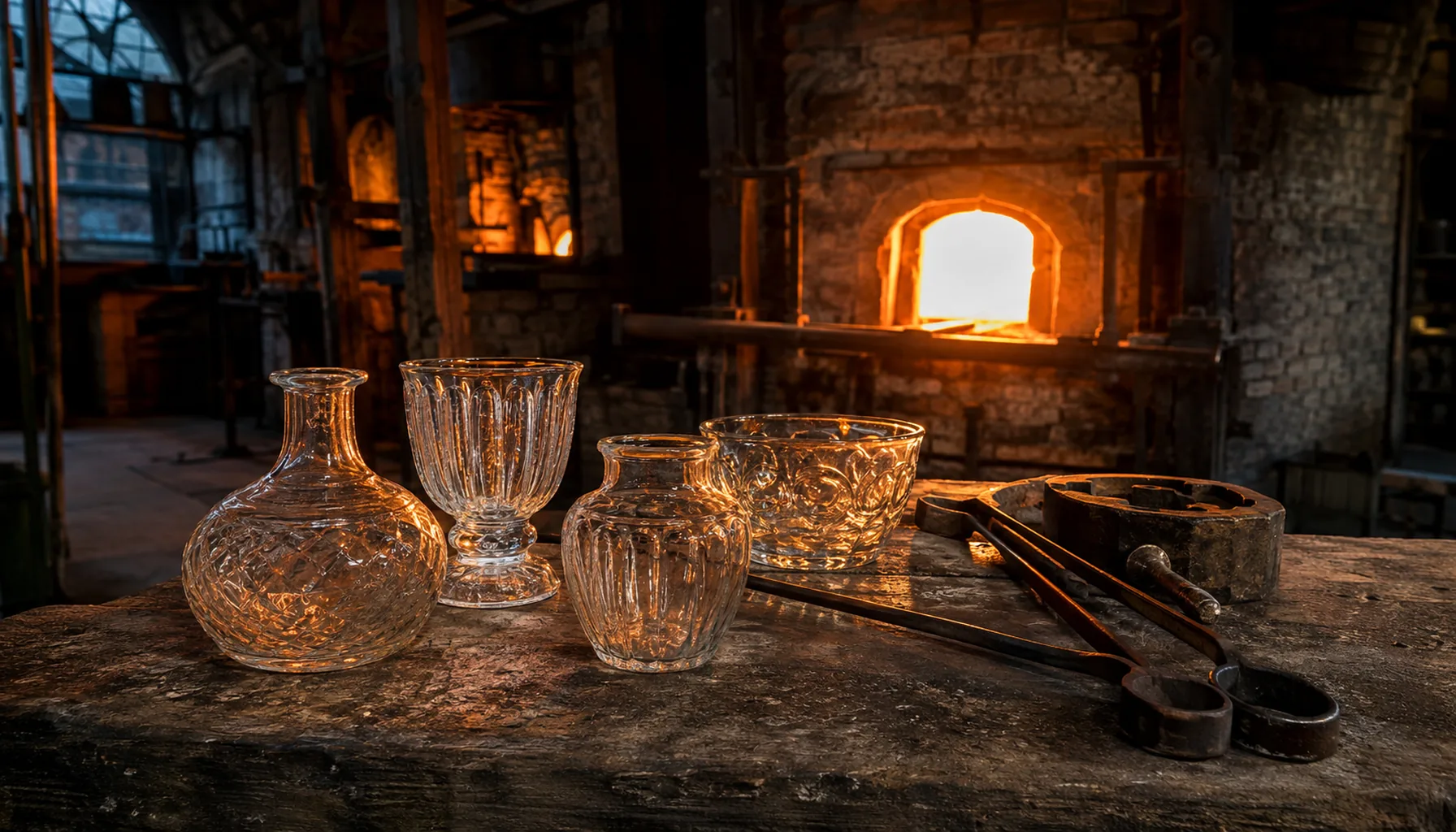
Hand-blown and pressed glass cooling on a workshop bench at Poltár, the trade the Novohrad forests supported up and down these valleys
Hand-blown and pressed glass cooling on a workshop bench at Poltár, the trade the Novohrad forests supported up and down these valleys.Ručne fúkané a lisované sklo chladne na lavici poltárskej dielne — remeslo, ktoré novohradské lesy živili po celých týchto dolinách.

The year in PoltárRok v Poltári

Poltár keeps a district town's calendar and a modest one. The town office and the cultural centre put on what a valley of villages actually needs: church feasts, the school year, commemorations, a summer event or two and a market at the turn of the year. We name no festival and no month here. At this scale a programme is agreed a season at a time and the town's own listings are the only source that keeps up with it, so check them rather than a page like this.Poltár má kalendár okresného mesta, a to skromného. Mestský úrad a kultúrne stredisko pripravujú to, čo dolina plná dedín naozaj potrebuje: cirkevné sviatky, školský rok, spomienkové dni, jedno či dve letné podujatia a trh na prelome roka. Nemenujeme tu žiadny festival ani mesiac. V tejto veľkosti sa program dohaduje zo sezóny na sezónu a jediným zdrojom, ktorý mu stačí, sú vlastné oznamy mesta, takže pozrite radšej do nich než na takúto stránku.

The year outside the town is easier to describe. Above Poltár the Ipeľ valley leads into the Veporské vrchy, quiet wooded hills with marked paths and very few people on them, walkable from spring to late autumn. The Málinec reservoir upstream was built to supply drinking water and is closed to swimming, which is worth knowing before you drive up; it sits in fine country all the same. The rest of Novohrad is close enough for an afternoon: Lučenec twenty kilometres down the road, the castle rock at Fiľakovo, and the volcanic hills of the Cerová vrchovina towards the border.Rok mimo mesta sa opisuje ľahšie. Nad Poltárom vedie dolina Ipľa do Veporských vrchov, tichých zalesnených kopcov so značkovanými chodníkmi a s veľmi málo ľuďmi, kam sa dá chodiť od jari do neskorej jesene. Málinská priehrada vyššie v doline bola postavená ako zdroj pitnej vody a kúpanie je na nej zakázané, čo je dobré vedieť ešte pred cestou; krajina okolo nej je aj tak pekná. Zvyšok Novohradu je na jedno popoludnie: Lučenec dvadsať kilometrov po ceste, hradná skala vo Fiľakove a sopečné kopce Cerovej vrchoviny smerom k hranici.

Where culture livesKde žije kultúra

What Poltár has is what a town of this size has: a cultural centre with a hall and a programme, a library, the schools, the churches, and the amateur groups a small town can sustain when someone is willing to run them. We name none of them individually, because premises and programmes change faster than a page like this does, and in a district with a falling population and years of high unemployment they change under real pressure. There is no large museum in the town; the region's museum and gallery collections are in Lučenec, the old county town, and most visitors treat Poltár as the way into the glass country upstream.Poltár má to, čo mesto tejto veľkosti mať môže: kultúrne stredisko so sálou a programom, knižnicu, školy, kostoly a záujmové súbory, ktoré malé mesto udrží dovtedy, kým je niekto ochotný ich viesť. Menovite tu neuvádzame ani jedno z nich, lebo priestory a programy sa menia rýchlejšie než takáto stránka, a v okrese s klesajúcim počtom obyvateľov a rokmi vysokej nezamestnanosti sa menia pod skutočným tlakom. Veľké múzeum v meste nie je; múzejné a galerijné zbierky regiónu sú v Lučenci, starom župnom meste, a väčšina návštevníkov berie Poltár ako bránu do sklárskej doliny nad mestom.

The strongest cultural asset in the valley is not a building at all but the knowledge in it. Glass is still worked here on a far smaller scale than it was, and in a place where three generations went to the same furnaces there are people who can read a glass object and tell you how it was made. Anyone hoping to see that work should ask first and arrange it; a working shop is not a visitor attraction and does not keep visitor hours.Najsilnejšou kultúrnou hodnotou doliny nie je budova, ale to, čo ľudia vedia. Sklo sa tu stále spracúva, hoci v oveľa menšom rozsahu než kedysi, a tam, kde tri generácie chodili k tým istým peciam, žijú ľudia, ktorí vám z pohára prečítajú, ako bol vyrobený. Kto chce takú prácu vidieť, mal by sa najprv opýtať a dohodnúť si to; fungujúca dielňa nie je atrakcia a nemá návštevné hodiny.

The buildings that carry itBudovy, ktoré ju nesú

Poltár is not a monument town and does not pretend to be. Its centre is twentieth-century, built around the works rather than around a square, and the older fabric is thin. The place was never one village: charters of 1409 and 1439 name four of them, a scatter of hamlets on the upper Ipeľ rather than a chartered market town, and as late as 1828 it had 83 houses and 560 inhabitants living from farming and crafts. Everything that made the modern town arrived afterwards. The ownership history explains the rest of the gap. The estate belonged to the Zách family until 1330, when Felicián Zách attacked King Charles Robert at Visegrád and the crown hunted down the whole kindred, then to the Sóós family and from 1742 to the Géczys; between 1554 and 1593 this ground lay under the Ottoman sanjak seated at Fiľakovo and its villages paid twice, which is why nothing stone-built survives from before it.Poltár nie je pamiatkové mesto a ani sa tak netvári. Jeho centrum je z dvadsiateho storočia, postavené okolo závodu, nie okolo námestia, a staršej zástavby je málo. Nikdy to nebola jedna dedina: listiny z rokov 1409 a 1439 uvádzajú štyri, teda hŕstku osád na hornom Ipli, nie výsadné trhové mestečko, a ešte v roku 1828 tu bolo 83 domov a 560 obyvateľov, ktorí žili z roľníctva a remesiel. Všetko, čo z Poltára urobilo mesto, prišlo až potom. Zvyšok tej medzery vysvetľujú majitelia. Panstvo patrilo Záchovcom do roku 1330, keď Felicián Zách napadol kráľa Karola Róberta vo Visegráde a koruna dala celý rod prenasledovať, potom Šóšovcom a od roku 1742 Géczyovcom; v rokoch 1554 až 1593 ležala táto zem pod osmanským sandžakom so sídlom vo Fiľakove a jej dediny platili dvakrát, a preto sa tu z toho obdobia nezachovalo nič murované.

The heritage that matters is upstream, and it is housing rather than architecture. Each glassworks was a settlement as much as a factory: the works at Katarínska Huta was founded in 1841, and others followed at Zlatno and Utekáč, every one of them with its own rows of company houses, a school and a shop belonging to the furnace. If the furnace stopped, the village stopped. Those rows still stand below sites where the furnaces themselves are gone, which is the most honest monument the district has.Dedičstvo, na ktorom záleží, je vyššie v doline a je to skôr bývanie než architektúra. Každá skláreň bola rovnako osadou ako továrňou: sklárne v Katarínskej Huti vznikli v roku 1841 a nasledovali ďalšie v Zlatne a na Utekáči, každá s vlastnými radmi robotníckych domov, so školou a s obchodom, ktoré patrili peci. Keď zhasla pec, zastavila sa dedina. Tie rady domov stoja dodnes pod miestami, kde už žiadna pec nie je, a sú tým najúprimnejším pamätníkom, aký okres má.

What the glass leftČo zostalo po skle

Glass came to these forests from the eighteenth century for a practical reason: a glasshouse needs quartz sand, timber to fire the furnace, and more timber burnt to ash for potash, the flux that lets sand melt at a workable temperature. Novohrad had all three, so works were built where the wood was and a village grew around each. The map of this district is really a map of furnaces. The same hills gave clay, and from 1869 the Baratta-Dragoni works made chamotte here, the fire-clay brick that lines a furnace. Glass and refractories are one industry seen from two ends: one melts, the other holds the heat in. Strikes by brickworks labourers in 1934 and 1937 show what a company settlement produces: when everybody in a village works at the same furnace, a pay dispute is the whole village against the works. The border move of 2 November 1938 then put Lučenec, the market and railway junction twenty kilometres away, into another country overnight.Sklo prišlo do týchto lesov od osemnásteho storočia z praktického dôvodu: skláreň potrebuje kremenný piesok, drevo na vykurovanie pece a ďalšie drevo spálené na popol, z ktorého sa získa potaš, tavivo, vďaka ktorému sa piesok roztaví pri zvládnuteľnej teplote. Novohrad mal všetko tri, takže huty stavali tam, kde bolo drevo, a okolo každej vyrástla dedina. Mapa tohto okresu je vlastne mapou pecí. Tie isté kopce dali aj hlinu a od roku 1869 tu závod Baratta-Dragoni vyrábal šamot, žiaruvzdornú tehlu, ktorou sa pec vymurúva. Sklo a šamot sú jedno remeslo z dvoch strán: jedno taví, druhé udrží teplo vnútri. Štrajky robotníkov z tehelne v rokoch 1934 a 1937 ukazujú, čo závodná osada vytvára: keď všetci v dedine pracujú pri tej istej peci, spor o mzdu je vecou celej dediny proti závodu. Posun hranice 2. novembra 1938 potom zo dňa na deň presunul Lučenec, trh a železničný uzol dvadsať kilometrov ďaleko, do cudziny.

After 1948 the state combined the scattered private works into one industry that employed most of the district, and Poltár made pressed and blown domestic glass, the tumblers and vases that stood in half the kitchens in Czechoslovakia. Building materials expanded from 1952 and a kaolin mine opened; in 1966 the villages of Slaná Lehota and Zelené were joined to Poltár and the place was raised to a town. Then the eastern markets went in the 1990s, several works closed outright, and a district built entirely on furnaces had nothing to move to. Glass is still worked here on a far smaller scale and the skill has not entirely left the valley.Po roku 1948 štát spojil roztrúsené súkromné huty do jedného odvetvia, ktoré zamestnávalo väčšinu okresu, a Poltár vyrábal lisované a fúkané úžitkové sklo, poháre a vázy, ktoré stáli v polovici československých kuchýň. Od roku 1952 sa rozšírila výroba stavebných materiálov a otvorila sa ťažba kaolínu; v roku 1966 pripojili k Poltáru obce Slaná Lehota a Zelené a Poltár povýšili na mesto. Potom v deväťdesiatych rokoch zmizli východné trhy, viaceré závody sa zavreli a okres postavený výlučne na peciach nemal na čo prejsť. Sklo sa tu stále spracúva, hoci v oveľa menšom rozsahu, a zručnosť z doliny celkom neodišla.

← Poltár← Poltár

WatchPozrite si

Sixteen videos for Culture in Poltár.Šestnásť videí — Kultúra v Poltári.