Trebišov · Southern ZemplínTrebišov · južný Zemplín

Culture in TrebišovKultúra v Trebišove

The manor house, the park and the castle ruin inside it are very nearly the whole of public Trebišov, and the wine that brings people here is grown on the volcanic slopes a short drive to the south-east.Kaštieľ, park a hradná zrúcanina v ňom sú takmer celý verejný Trebišov, a víno, kvôli ktorému sem ľudia chodia, rastie na sopečných svahoch kúsok na juhovýchod.

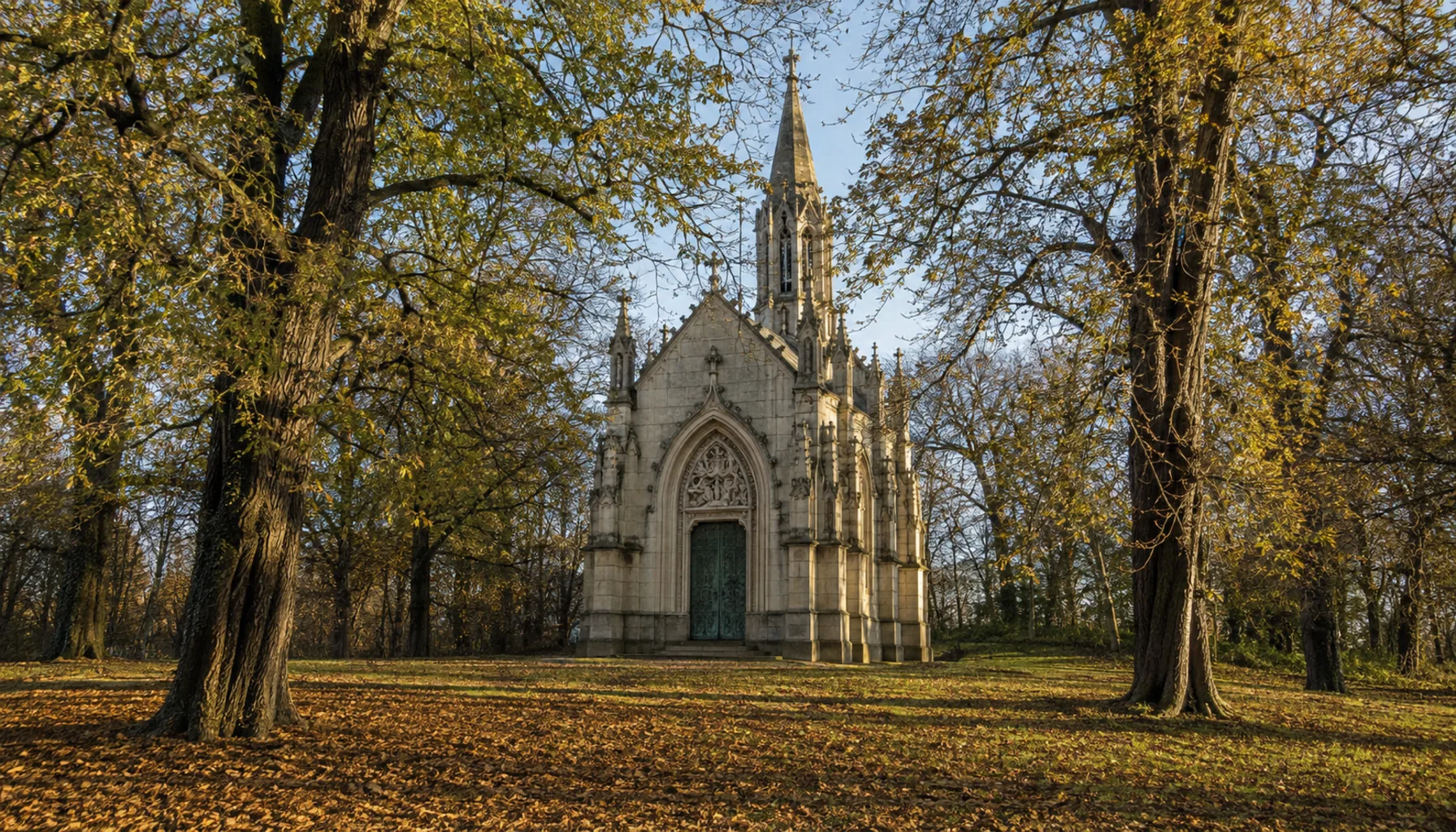
The Andrássy mausoleum at the far end of the manor park in Trebišov, built in neo-Gothic style in 1893
The Andrássy mausoleum at the far end of the manor park in Trebišov, built in neo-Gothic style in 1893.Mauzóleum Andrássyovcov na konci kaštieľskeho parku v Trebišove, postavené v novogotickom slohu v roku 1893.

The year in TrebišovRok v Trebišove

For a hundred years the year here was set by beet. A sugar refinery was built just before the First World War, and the campaign — the few autumn weeks when a refinery runs flat out day and night — organised work, wages and traffic in the town and every village around it. Processing ended in the 2000s, when the European Union's sugar reform cut the country to a couple of refineries, but the fields are still beet, maize, wheat and sunflower.Sto rokov tu rok určovala cukrová repa. Cukrovar postavili tesne pred prvou svetovou vojnou a kampaň — tých pár jesenných týždňov, keď cukrovar beží naplno dňom i nocou — organizovala prácu, mzdy aj dopravu v meste i v každej okolitej obci. Spracovanie sa skončilo v prvom desaťročí 21. storočia, keď reforma cukrového režimu Európskej únie zredukovala krajinu na dva cukrovary, ale polia sú stále repa, kukurica, pšenica a slnečnica.

The public calendar today is the ordinary one of a district seat, and we will not put names or dates on it: a town day, markets, a Christmas programme, concerts and exhibitions in the manor house and its park. All of it is announced locally, close to the date, and moves from year to year.Dnešný verejný kalendár je bežným kalendárom okresného mesta a nebudeme mu dávať názvy ani termíny: dni mesta, trhy, vianočný program, koncerty a výstavy v kaštieli a v parku. Všetko sa oznamuje miestne, krátko pred termínom, a rok od roka sa to posúva.

The one seasonal thing you can plan around is the wine. Harvest on the Slovak Tokaj slopes south-east of the town comes late, because the grapes there are left on the vine to shrivel, and autumn is when the cellars are busiest.Jediná sezónna vec, podľa ktorej sa dá plánovať, je víno. Oberačka na slovenských tokajských svahoch juhovýchodne od mesta prichádza neskoro, lebo hrozno sa tam necháva na kroch scvrknúť, a jeseň je časom, keď sú pivnice najrušnejšie.

Where culture livesKde žije kultúra

The museum of the southern Zemplín is in the manor house, which is the right building for it: regional history, archaeology and period rooms, in the rooms the Andrássys furnished. It is the institution here we can point at with confidence, and the reason to go inside the house at all.Múzeum južného Zemplína sídli v kaštieli, čo je preň správna budova: regionálne dejiny, archeológia a dobové interiéry v miestnostiach, ktoré zariadili Andrássyovci. Je to inštitúcia, na ktorú tu vieme s istotou ukázať — a dôvod, prečo vôbec vojsť dnu.

Around it is the standard equipment of a district seat — a cultural centre with a hall, a public library, a school of art for children, and the clubs that come and go with them. We name none of them, because premises and programmes change faster than a page like this does.Okolo neho je bežné vybavenie okresného mesta — kultúrne stredisko so sálou, mestská knižnica, základná umelecká škola a súbory, ktoré s nimi vznikajú a zanikajú. Jednotlivo ich tu nemenujeme, pretože priestory a programy sa menia rýchlejšie než takáto stránka.

The park is the other half, and in practice the more used half. An English landscape park with old trees, water and a castle ruin in it is the town's public living room: people walk it, and whatever needs an outdoor setting happens there.Druhou polovicou — a v praxi tou používanejšou — je park. Anglický krajinársky park so starými stromami, vodou a hradnou zrúcaninou je verejnou obývačkou mesta: ľudia sa v ňom prechádzajú a všetko, čo potrebuje priestor pod holým nebom, sa deje tam.

The buildings that carry itBudovy, ktoré ju nesú

Everything on this page stands in one place. A water castle called Parič held the road across the lowland from the thirteenth century, and about 1502 Imrich Perényi founded a house of Pauline friars beside it — the one monastic order founded in Hungary itself. The castle was blown up with gunpowder in the 1680s: the town's own history blames the kuruc rebels, other accounts the imperial army — and nobody at all blames the Turks.Všetko na tejto stránke stojí na jednom mieste. Vodný hrad Parič od trinásteho storočia strážil cestu cez nížinu a okolo roku 1502 vedľa neho Imrich Perényi založil kláštor pavlínov — jediného mníšskeho rádu, ktorý vznikol priamo v Uhorsku. Hrad v osemdesiatych rokoch 17. storočia vyhodili pušným prachom do vzduchu: podľa vlastných dejín mesta to urobili kuruckí povstalci, podľa iných podaní cisárske vojsko — a Turkov neobviňuje nikto.

In 1786 Count Imrich Csáky built a late-Baroque manor house on the site and used the ruined castle as a stone quarry; in the same year Joseph II abolished what remained of the Pauline house. A fortress became a country house and a monastery became state property inside twelve months. The Andrássys came to the estate by marriage in 1838, rebuilt the house into what you see, and laid the English park out around house and ruin together.V roku 1786 tu gróf Imrich Csáky postavil neskorobarokový kaštieľ a zrúcaný hrad použil ako kameňolom; v tom istom roku Jozef II. zrušil to, čo z pavlínskeho kláštora zostalo. Pevnosť sa za dvanásť mesiacov stala panským sídlom a kláštor štátnym majetkom. Andrássyovci sa k panstvu dostali sobášom v roku 1838, dom prestavali do dnešnej podoby a okolo domu i zrúcaniny založili anglický park.

At the far end of the park stands the neo-Gothic mausoleum the family built in 1893, to a design by Arthur Meinig, for Gyula Andrássy: hanged in effigy by the Austrians in 1851 for his part in the Hungarian revolution, first prime minister of Hungary after the settlement of 1867, and foreign minister of Austria-Hungary from 1871 to 1879. That is how a small lowland town came to hold the grave of a European statesman.Na opačnom konci parku stojí novogotické mauzóleum, ktoré rodina postavila v roku 1893 podľa návrhu architekta Arthura Meiniga pre Gyulu Andrássyho: v roku 1851 ho Rakúšania obesili in effigie za účasť v uhorskej revolúcii, po vyrovnaní roku 1867 sa stal prvým uhorským premiérom a v rokoch 1871 až 1879 ministrom zahraničia Rakúsko-Uhorska. Tak sa stalo, že malé nížinné mesto ukrýva hrob európskeho štátnika.

The wine on the volcanic slopesVíno na sopečných svahoch

Trebišov is the district seat for the seven Slovak villages that share the Tokaj appellation with Hungary across the border, and that is the town's most distinctive trade. The vineyards are on the low volcanic ridge of the Zemplín Hills — the only high ground for a long way, and the reason the wine is here at all — around Malá Tŕňa and Viničky, where the cellars are cut into tuff.Trebišov je okresným mestom pre sedem slovenských obcí, ktoré si tokajské označenie delia s Maďarskom za hranicou, a to je najosobitejšie remeslo tohto mesta. Vinice ležia na nízkom sopečnom chrbte Zemplínskych vrchov — jedinej vyvýšenine široko-ďaleko a dôvode, prečo tu víno vôbec je — okolo Malej Tŕne a Viniček, kde sú pivnice vytesané do tufu.

The wines are sweet, made from grapes left to be attacked by noble rot, and aged long in those cellars. The Slovak side of the appellation is small — few producers, limited vineyard area — and the prices follow from that; cellar visits are worth arranging in advance. The villages are small too, which is why the town matters: Trebišov is where the trains and buses go and where the beds and shops are, and the slopes are a drive out from it.Vína sú sladké, z hrozna napadnutého ušľachtilou plesňou, a v tých pivniciach dlho zrejú. Slovenská časť oblasti je malá — málo výrobcov, obmedzená výmera viníc — a ceny tomu zodpovedajú; návštevu pivnice sa oplatí dohodnúť vopred. Malé sú aj obce, a práve preto je mesto dôležité: do Trebišova chodia vlaky aj autobusy, sú tu ubytovanie a obchody — a na svahy sa odtiaľ vychádza.

← Trebišov← Trebišov

WatchPozrite si

Sixteen videos for Culture in Trebišov.Šestnásť videí — Kultúra v Trebišove.