Michalovce · ZemplínMichalovce · Zemplín

Culture in MichalovceKultúra v Michalovciach

The working capital of the Zemplín keeps its main collection in a manor house that began as a moated fortress, its summer on a reservoir built to hold floodwater, and three Christian rites in churches a few minutes' walk apart.Pracovné centrum Zemplína drží hlavnú zbierku regiónu v kaštieli, ktorý začínal ako vodná pevnosť, leto na priehrade postavenej proti povodniam a tri kresťanské obrady v kostoloch pár minút chôdze od seba.

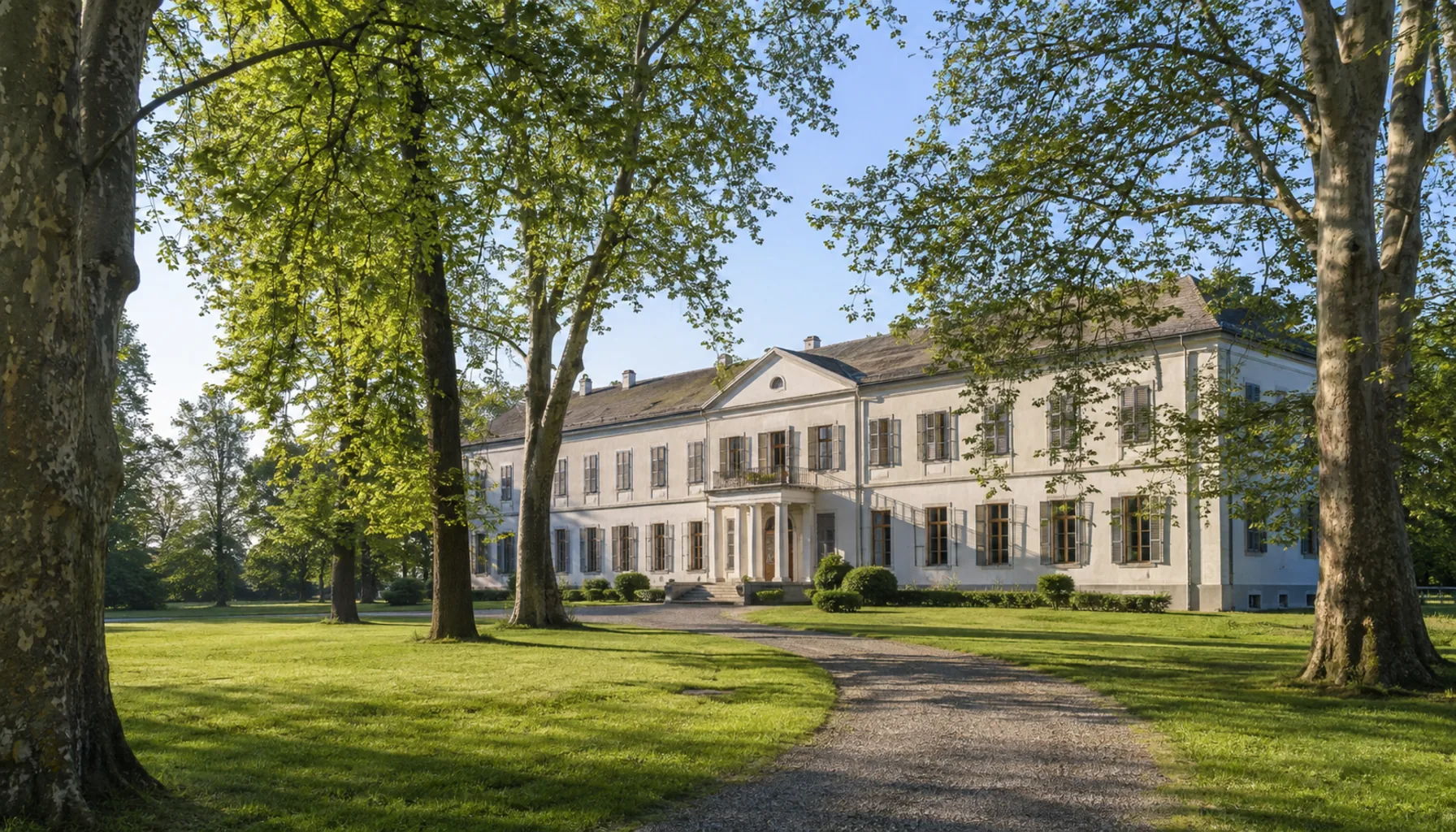
The Sztáray manor house in Michalovce, the oldest building in the centre and now the Zemplín Museum
The Sztáray manor house in Michalovce, the oldest building in the centre and now the Zemplín Museum.Kaštieľ Sztárayovcov v Michalovciach, najstaršia budova v centre, dnes sídlo Zemplínskeho múzea.

The year in MichalovceRok v Michalovciach

The year here divides in two, and the dividing line is water. From June to September the town lives partly on Zemplínska šírava, the reservoir a few kilometres east that Slovaks call the Slovak Sea: beaches, campsites, the strip of holiday settlements along the northern shore, and traffic that would otherwise never come to the Laborec. The rest of the year Michalovce is what it is for the surrounding villages — the district seat, the hospital town and the market.Rok sa tu delí na dve časti a deliacou čiarou je voda. Od júna do septembra žije mesto sčasti na Zemplínskej šírave, priehrade pár kilometrov na východ, ktorej sa hovorí Slovenské more: pláže, kempy, pás chatových osád pozdĺž severného brehu a doprava, ktorá by sa k Laborcu inak nedostala. Po zvyšok roka sú Michalovce tým, čím sú pre okolité dediny — okresným sídlom, nemocničným mestom a trhom.

That holiday coast was an afterthought. The Šírava was built between 1961 and 1965 to hold floodwater and irrigate the plain — thirty-three square kilometres of water on ground where no village had stood — and the holidaymakers arrived on their own: half a million a year by 1968, and seven resorts along the northern shore through the 1970s and 1980s.Tá rekreačná pláž bola dodatočným nápadom. Šírava vznikla v rokoch 1961 až 1965, aby zadržala povodňovú vodu a zavlažovala nížinu — tridsaťtri kilometrov štvorcových vody na mieste, kde nestála nijaká dedina — a rekreanti prišli sami: do roku 1968 pol milióna ročne a v sedemdesiatych a osemdesiatych rokoch sedem stredísk pozdĺž severného brehu.

The rest of the calendar is summer events on the shore, a town programme in the colder half of the year, and the church year kept three times over in three rites. We give no names and no dates, because a page like this outlives them. One warning belongs here rather than in a brochure: the water quality of the Šírava and the state of its resorts have had very uneven decades, and it changes — check what is actually open before planning around it.Zvyškom kalendára sú letné podujatia na brehu, mestský program v chladnejšej polovici roka a cirkevný rok, ktorý sa tu drží trikrát, v troch obradoch. Názvy ani dátumy neuvádzame, lebo takáto stránka ich prežije. Jedno upozornenie patrí sem, a nie do prospektu: kvalita vody na Šírave a stav jej stredísk mali za sebou veľmi nerovnomerné desaťročia a mení sa to — pred plánovaním si overte, čo je naozaj otvorené.

Where culture livesKde žije kultúra

The Zemplín Museum is the fixed point, and it sits in the Sztáray manor house on the main street: county history, the archaeology of the lowland — this plain has been farmed since the Stone Age and the finds come from all around the town — and period interiors in the rooms the family used. It is the main collection for the whole region, which in a region this size means it does the work of several museums at once. The park around it is the green centre of the town.Pevným bodom je Zemplínske múzeum a sídli v kaštieli Sztárayovcov na hlavnej ulici: dejiny stolice, archeológia nížiny — táto rovina sa obrába od doby kamennej a nálezy pochádzajú z celého okolia mesta — a dobové interiéry v miestnostiach, ktoré rodina používala. Je to hlavná zbierka pre celý región, čo pri regióne tejto veľkosti znamená, že robí prácu niekoľkých múzeí naraz. Park okolo neho je zeleným stredom mesta.

Beyond it, Michalovce keeps what a district town of its size keeps: a cultural centre with a hall and a programme, a library, a school of art for children, a cinema, amateur choirs and folk groups. We name none of them, because premises and programmes change faster than this page does. For anything larger people go to Košice, fifty-five kilometres west and an hour by train.Okrem toho si Michalovce držia to, čo si drží okresné mesto tejto veľkosti: kultúrne stredisko so sálou a programom, knižnicu, základnú umeleckú školu, kino, amatérske zbory a folklórne súbory. Menovite ich tu neuvádzame, lebo priestory a programy sa menia rýchlejšie než táto stránka. Za čímkoľvek väčším sa chodí do Košíc, päťdesiatpäť kilometrov na západ, hodinu vlakom.

The other half of the region's culture is out of doors and to the north. Behind the reservoir the Vihorlat rises straight out of the plain — beech forest, marked trails and the lake of Morské oko — and the ruin of Vinné castle stands on a vineyard hill near the northern shore.Druhá polovica kultúry tohto kraja je vonku a smerom na sever. Za priehradou sa Vihorlat dvíha priamo z roviny — bukový les, značené chodníky a jazero Morské oko — a pri severnom brehu stojí na vinohradníckom kopci zrúcanina hradu Vinné.

The buildings that carry itBudovy, ktoré ju nesú

The manor house is the oldest substantial building in the centre, and what makes it interesting is what is underneath it. The medieval lords of Michalovce had no hilltop castle — a flat plain does not offer one — but a water fortress, a low fortified house ringed by a moat fed from the marsh. It was rebuilt in Renaissance style early in the seventeenth century, and from the middle of the eighteenth the Sztáray family turned it into a country house with a park.Kaštieľ je najstaršou väčšou stavbou v centre a zaujímavé je na ňom to, čo je pod ním. Stredovekí páni Michaloviec nemali hrad na kopci — rovina ho neponúka — ale vodnú pevnosť, nízky opevnený dom obohnaný priekopou napájanou z močiara. Začiatkom sedemnásteho storočia ho prestavali v renesančnom duchu a od polovice osemnásteho z neho Sztárayovci urobili panské sídlo s parkom.

Around it, most of what you see is younger than 1950. Michalovce belonged to noble estates rather than to itself for most of its recorded history, so it never built the burgher square that a free town builds; and after the Second World War the lowland was industrialised, the marshes were drained into arable land, and a market town of a few thousand people acquired the estates of flats it still lives in. There is no point pretending otherwise, and the manor and its park are the better for standing in the middle of it.Väčšina toho, čo okolo neho vidíte, je mladšia ako rok 1950. Michalovce po väčšinu doloženej histórie patrili šľachtickým panstvám, nie samy sebe, a preto si nikdy nepostavili meštianske námestie, aké si stavia slobodné mesto; po druhej svetovej vojne nížinu industrializovali, močiare odvodnili na ornú pôdu a z trhového mestečka o niekoľkých tisícoch ľudí sa stalo mesto so sídliskami, v ktorých žije dodnes. Nemá zmysel predstierať niečo iné — a kaštieľu s parkom to uprostred toho všetkého skôr prospieva.

Three rites in one townTri obrady v jednom meste

Michalovce is one of the places where Byzantine-rite church life in Slovakia is most visible. Greek Catholic and Orthodox parishes stand alongside the Roman Catholic ones, and the town is one of the centres of eastern-rite life in the country rather than a place where it happens to survive.Michalovce patria k miestam, kde je cirkevný život byzantského obradu na Slovensku najviditeľnejší. Gréckokatolícke a pravoslávne farnosti tu stoja vedľa rímskokatolíckych a mesto je jedným z centier východného obradu v krajine, nie miestom, kde sa náhodou udržal.

The difference is worth understanding before you walk in. An eastern-rite church is laid out around an iconostasis — a screen of icons between the congregation and the altar — rather than around a view of the high altar; the liturgy is sung throughout, and some feasts fall on different days from the Latin ones. It is the same Christianity organised differently, and it is the strongest single cultural marker of eastern Slovakia.Rozdiel sa oplatí poznať skôr, než vojdete dnu. Chrám východného obradu je usporiadaný okolo ikonostasu — steny ikon medzi veriacimi a oltárom — nie okolo pohľadu na hlavný oltár; liturgia sa celá spieva a niektoré sviatky pripadajú na iné dni než tie latinské. Je to to isté kresťanstvo, len inak usporiadané, a je najsilnejším kultúrnym znakom východného Slovenska.

The tradition runs out into the villages towards the Ukrainian border, fifty kilometres east, where small wooden Greek Catholic churches survive; the one at Ruská Bystrá is on the World Heritage list with the other wooden churches of the Slovak Carpathians. They are village churches with a keyholder rather than museums, so getting inside means asking locally.Tradícia pokračuje do dedín smerom k ukrajinskej hranici, päťdesiat kilometrov na východ, kde sa zachovali malé drevené gréckokatolícke chrámy; ten v Ruskej Bystrej je v zozname svetového dedičstva UNESCO spolu s ostatnými drevenými chrámami slovenských Karpát. Sú to dedinské kostoly s kľúčnikom, nie múzeá, takže dostať sa dnu znamená opýtať sa v obci.

← Michalovce← Michalovce

WatchPozrite si

Sixteen videos for Culture in Michalovce.Šestnásť videí — Kultúra v Michalovciach.