Medzev · Bodva valleyMedzev · údolie Bodvy

Culture in MedzevKultúra v Medzeve

A valley town whose trade was hammering rather than mining: water-driven forges beat tools out of bar iron here for six hundred years, several of the sheds still stand on the Bodva, and one hammer is still fired for visitors who arrange it first.Mesto v doline, ktorého remeslom nebolo baníctvo, ale kovanie: vodou poháňané hámre tu šesťsto rokov vybíjali z tyčového železa náradie, niekoľko z nich stále stojí pri Bodve a v jednom sa kladivo pre návštevníkov ešte rozbehne — ak sa vopred dohodnú.

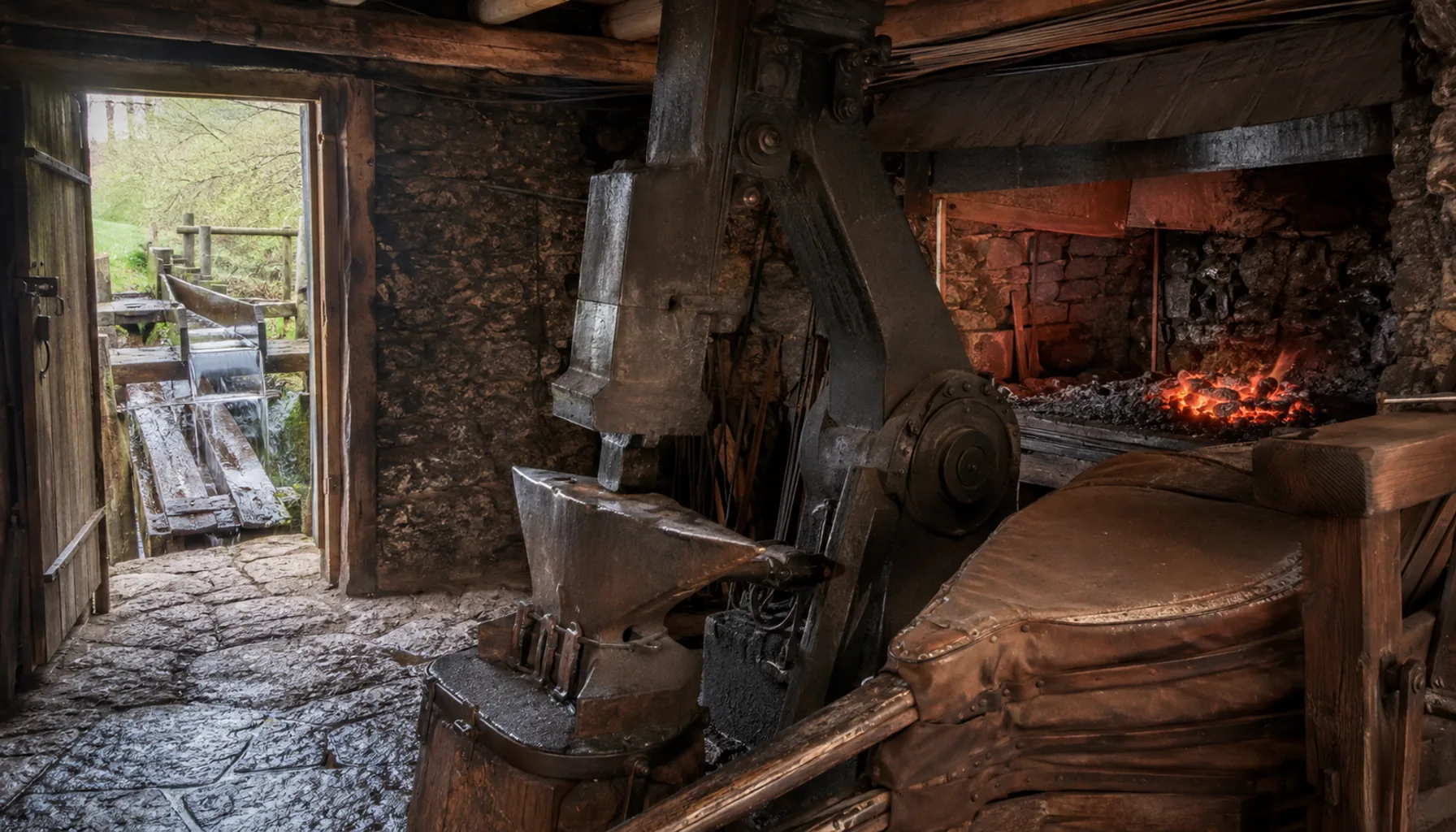
Inside a Medzev hammer forge: the water-driven tilt hammer, the anvil and the hearth that made hand-forged tools here
Inside a Medzev hammer forge: the water-driven tilt hammer, the anvil and the hearth that made hand-forged tools here.Vnútro medzevského hámra: vodou poháňané bucharové kladivo, nákova a vyhňa, v ktorej sa tu kuli ručné nástroje.

The year in MedzevRok v Medzeve

The fixed points of the Medzev year are not dates but arrangements. The forges are private and municipal property as much as museum pieces, and the day a hammer is fired is the day somebody has agreed to fire it. Plan around that: a visit here is arranged in advance, by telephone or through the town, and it is the difference between seeing a shed and seeing the trade.Pevné body medzevského roka nie sú dátumy, ale dohody. Hámre sú rovnako v súkromných a mestských rukách ako v múzejnej starostlivosti a deň, keď sa kladivo rozbehne, je deň, na ktorom sa niekto dohodol. S tým treba rátať: návšteva sa tu dojednáva vopred, telefonicky alebo cez mesto, a je to rozdiel medzi tým, či uvidíte šopu, alebo remeslo.

Around that runs the ordinary calendar of a small town at the head of a valley: town days in the summer, the church year, school and club dates, and whatever the cultural centre puts in its hall. The local German cultural association keeps dates of its own. We name no events and no months here — programmes of this size change faster than a page like this does, and the town's own noticeboards are the reliable source.Okolo toho beží obyčajný kalendár malého mesta na konci doliny: letné dni mesta, cirkevný rok, školské a spolkové termíny a to, čo dá kultúrny dom do sály. Vlastné termíny má aj miestne združenie nemeckej kultúry. Názvy podujatí ani mesiace tu neuvádzame — programy tejto veľkosti sa menia rýchlejšie než takáto stránka a spoľahlivým zdrojom sú oznamy samotného mesta.

Where culture livesKde žije kultúra

The forges are the museum, and one is a museum in the formal sense too: a water-driven hammer forge here is a branch of the Slovak Technical Museum. Others survive along the stream as protected technical monuments — a timber and stone shed over a wheel race, the hammer, the hearth and the bellows still in place. Access usually depends on whoever holds the key rather than on posted hours, so arrange it before you come.Múzeom sú tu samotné hámre — a jeden z nich je múzeom aj formálne: vodný hámor v Medzeve je pobočkou Slovenského technického múzea. Ďalšie prežili pri potoku ako chránené technické pamiatky — drevená a kamenná stavba nad náhonom, v ktorej ostalo kladivo, vyhňa aj mechy. Prístup zvyčajne závisí od toho, kto má kľúč, a nie od otváracích hodín, takže sa treba dohodnúť vopred.

What the town runs for itself is small, and it is more honestly given as a category than as a list: a cultural centre with a hall and a programme, a library, a school of art for children, and the local German cultural association, which is where the dialect the Mantáci call mantáčtina is still used and passed on. None of them is named here, because premises and programmes change. For anything larger, Košice is thirty kilometres east and the bus is easy.To, čo si mesto vedie samo, je malé a čestnejšie sa to opíše ako kategória než ako zoznam: kultúrny dom so sálou a programom, knižnica, základná umelecká škola a miestne združenie nemeckej kultúry, kde sa nárečie, ktoré Mantáci volajú mantáčtina, ešte používa a odovzdáva. Menovite ich tu neuvádzame, lebo priestory a programy sa menia. Za čímkoľvek väčším sú Košice tridsať kilometrov na východ a autobus je jednoduchý.

Two of the best things within reach belong to other villages. Jasov, south-east down the valley, has a Premonstratensian monastery with a Baroque church and a frescoed library, and a dripstone cave on the World Heritage list. Štós, up in the forest to the north-west, has a climatic spa for respiratory illness — check it is open before you go.Dve z najlepších vecí v dosahu patria iným obciam. Jasov, nižšie v doline na juhovýchod, má premonštrátsky kláštor s barokovým kostolom a freskami zdobenou knižnicou a kvapľovú jaskyňu v zozname svetového dedičstva UNESCO. Štós, hore v lese na severozápad, má klimatické kúpele pre dýchacie choroby — pred cestou si overte, či sú v prevádzke.

The buildings that carry itBudovy, ktoré ju nesú

Medzev is a long street rather than a square, and that shape is the first thing it tells you. This was a settlement strung along running water, not a market town laid out around a trading place: the houses are low, the plots run back towards the stream, and the parish church of the Nativity of the Virgin Mary — Gothic underneath, remodelled in Baroque taste between 1732 and 1735 — stands on the same street as everything else.Medzev je skôr dlhá ulica než námestie a už tento tvar čosi hovorí. Bola to osada natiahnutá pozdĺž tečúcej vody, nie trhové mesto vymerané okolo trhoviska: domy sú nízke, parcely siahajú dozadu k potoku a farský kostol Narodenia Panny Márie — pod povrchom gotický, v rokoch 1732 až 1735 prestavaný do barokovej podoby — stojí na tej istej ulici ako všetko ostatné.

The heritage buildings that matter are the forge sheds, and they are working buildings rather than ornamental monuments: stone, timber, a roof over a wheel, a race cut from the Bodva. One of them, Tischler's forge, has stood since the second half of the nineteenth century. Vyšný Medzev continues the same line up the valley, and the two places are best seen together.Pamiatkami, na ktorých tu záleží, sú budovy hámrov — pracovné stavby, nie ozdobné monumenty: kameň, drevo, strecha nad kolesom, náhon odvedený z Bodvy. Jeden z nich, Tischlerov hámor, stojí od druhej polovice devätnásteho storočia. Vyšný Medzev pokračuje v tej istej línii vyššie v doline a obe miesta je najlepšie vidieť spolu.

The plainest record in the town is the cemetery. Its German inscriptions say who lived and worked here through the six centuries the trade lasted, and reading them costs nothing.Najpriamejším záznamom v meste je cintorín. Nemecké nápisy na ňom hovoria, kto tu žil a pracoval počas tých šiestich storočí, čo remeslo trvalo, a prečítať si ich nič nestojí.

The hammer on the waterKladivo na vode

The trade has a birth certificate. On 1 May 1376 a man of Nižný Medzev named Eliáš Teknagel leased three sites on the Bodva from the provost of Jasov in order to put hammer forges on them; five more were built between 1403 and 1411, and others followed. That is the whole story in one document: not a legend about ancient smiths, but a dated contract for three plots of running water. The valley belonged to the Premonstratensian house at Jasov until the eighteenth century, which is why its two great buildings — the monastery and the forge — belong to the same history.Remeslo má rodný list. 1. mája 1376 si Eliáš Teknagel, poddaný z Nižného Medzeva, prenajal od jasovského prepošta tri miesta na Bodve, aby na nich postavil hámre; v rokoch 1403 až 1411 pribudlo päť ďalších a po nich ďalšie. Celý príbeh je v jedinej listine: nie legenda o dávnych kováčoch, ale datovaná zmluva o troch parcelách tečúcej vody. Dolina patrila až do osemnásteho storočia premonštrátskemu kláštoru v Jasove — a preto majú jej dve veľké stavby, kláštor a hámor, spoločné dejiny.

A hámor is a water-driven tilt hammer: the stream turns a wheel, the wheel lifts a heavy hammer and drops it, and one man does the work of several. The forges turned bar iron into hoes, spades, shovels, mattocks, picks and axes, and at the height of the trade in the nineteenth century something like a hundred worked along the Bodva and its side streams — a valley of family workshops specialising against each other, not a factory town. Medzev tools were sold across the Kingdom of Hungary and traded south into the Balkans.Hámor je vodou poháňané bucharové kladivo: potok otáča koleso, koleso dvíha ťažké kladivo a púšťa ho, a jeden človek urobí prácu niekoľkých. Hámre menili tyčové železo na motyky, rýle, lopaty, krompáče, čakany a sekery a na vrchole remesla v devätnástom storočí ich pozdĺž Bodvy a jej prítokov pracovalo asi sto — dolina rodinných dielní, ktoré sa špecializovali jedna proti druhej, nie továrenské mesto. Medzevské náradie sa predávalo po celom Uhorsku a obchodovalo sa s ním až na Balkán.

The branch railway opened from Moldava nad Bodvou in 1894 cut both ways: it took the tools out faster and brought cheap factory-made ones in. Stamped implements took the market hand-forged ones had held for five hundred years, and the community that had carried the trade was scattered at the end of the Second World War. What is left is heritage rather than industry, shown as demonstration rather than production — which is honest, not a complaint, because a working water-driven hammer is rare anywhere in Europe. The census still finds a German community here, one of very few in Slovakia.Železničná odbočka, otvorená v roku 1894 z Moldavy nad Bodvou, rezala na dve strany: náradie odvážala rýchlejšie a lacné továrenské privážala. Lisované náradie vzalo trh tomu ručne kovanému, ktorý držal päťsto rokov, a komunita, ktorá remeslo niesla, sa na konci druhej svetovej vojny rozpadla. To, čo ostalo, je dedičstvo, nie priemysel — ukazuje sa ako predvádzanie, nie ako výroba, čo je čestný opis, nie sťažnosť: funkčné vodné kladivo je vzácnosť kdekoľvek v Európe. Nemeckú komunitu tu sčítanie stále nachádza, ako na jednom z mála miest na Slovensku.
← Medzev← Medzev

WatchPozrite si

Sixteen videos for Culture in Medzev.Šestnásť videí — Kultúra v Medzeve.