Tornaľa · Gemer and the Slaná valleyTornaľa · Gemer a údolie Slanej
A market town on the Slaná with two churches, a long main street and a market that still matters — and, within half an hour of it in three directions, some of the most important medieval wall painting in Slovakia.Trhové mesto na Slanej s dvoma kostolmi, dlhou hlavnou ulicou a trhom, ktorý stále niečo znamená — a do polhodiny od neho na tri strany jedny z najvýznamnejších stredovekých nástenných malieb na Slovensku.
The oldest thing in the town's calendar is the market. Tornaľa was a market village of the Slaná valley before it was anything else — never a mining town, never walled — and the market still matters to the villages around it. The farming year sets the rest: grain, maize and fodder on flat ground, and the weeks when everyone is in the fields.Najstaršou vecou v kalendári mesta je trh. Tornaľa bola trhovou obcou v údolí Slanej skôr než čímkoľvek iným — nikdy nie banským mestom, nikdy nie opevneným — a trh dodnes niečo znamená pre okolité dediny. Zvyšok určuje poľnohospodársky rok: obilie, kukurica a krmoviny na rovine a týždne, keď sú všetci na poli.
The other half of the year belongs to the churches. The Catholic and the Reformed congregations that share the town keep their own calendars, and between them they account for most of what is publicly marked. Beyond that a cultural centre with a hall, a library and a school of art for children do what such institutions do everywhere. We name no annual festival, because we cannot confirm one from a distance.Druhú polovicu roka nesú kostoly. Katolícka a reformovaná cirkevná obec, ktoré si mesto delia, si vedú vlastné kalendáre a spolu pokrývajú väčšinu toho, čo sa tu verejne slávi. Okrem toho robia kultúrne stredisko so sálou, knižnica a základná umelecká škola to, čo takéto inštitúcie robia všade. Nijaké výročné podujatie tu nemenujeme, lebo ho na diaľku nevieme overiť.
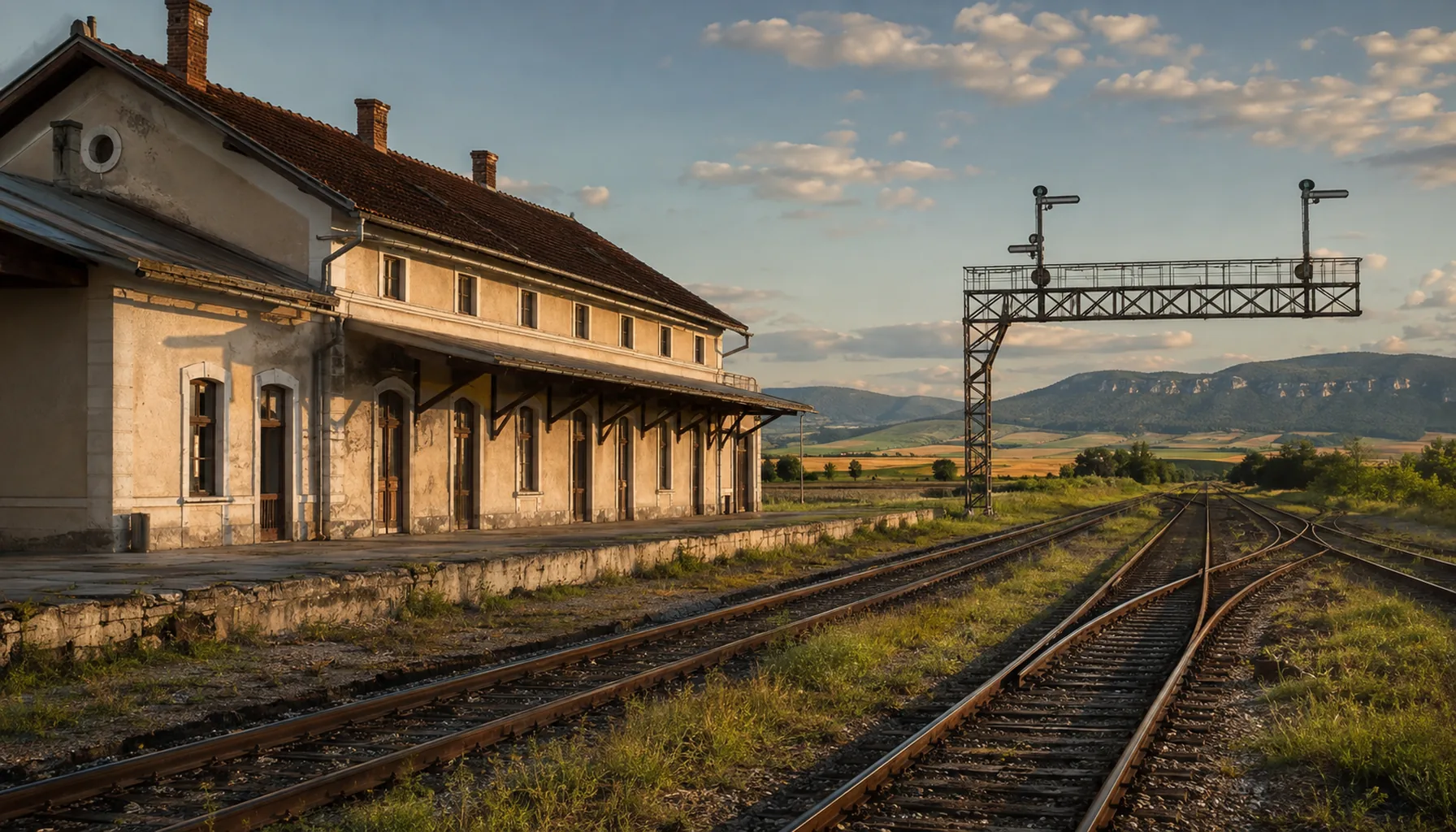
Tornaľa is honest about being a base rather than a destination. A long main street, two churches, a station and its yards, a market: that is the town, and the interest is in what surrounds it. Its own institutions are the ordinary ones — a cultural centre, a library, a school of art for children — which we do not name individually, because programmes and premises change faster than a page like this does.Tornaľa je úprimná v tom, že je skôr východiskom než cieľom. Dlhá hlavná ulica, dva kostoly, stanica s koľajiskom a trh — to je mesto a zaujímavé je to, čo ho obklopuje. Jej vlastné inštitúcie sú tie bežné — kultúrne stredisko, knižnica, základná umelecká škola — a jednotlivo ich nemenujeme, pretože programy a priestory sa menia rýchlejšie než takáto stránka.
It was not always this modest. Tornaľa was made the seat of a district in 1853 and for a century was the centre of its stretch of the Slaná. It lost the district in 1960 and the standing never came back; since 1996 it has belonged to the Revúca district, whose other half lies an hour north in the mountains. Institutions follow offices, which is much of why the museums you might expect here are in Rimavská Sobota and Rožňava instead.Nebolo to tak vždy. Tornaľa sa v roku 1853 stala sídlom okresu a celé storočie bola centrom svojho úseku Slanej. Okres stratila v roku 1960 a niekdajšie postavenie sa jej už nevrátilo; od roku 1996 patrí do okresu Revúca, ktorého druhá polovica leží hodinu na sever v horách. Inštitúcie chodia za úradmi — a to je veľká časť dôvodu, prečo sú múzeá, aké by ste tu čakali, v Rimavskej Sobote a v Rožňave.
Slovak and Hungarian are both everyday languages in the town and in the villages of the Slaná valley, and have been for as long as there are records of who lived here; the town's Hungarian name is Tornalja. It shows in ordinary ways — the two congregations, the names over shop doors, what you hear in the market — rather than as anything a visitor has to navigate.V meste aj v dedinách údolia Slanej sú bežnými jazykmi slovenčina aj maďarčina a je to tak, odkedy existujú záznamy o tom, kto tu žil; maďarské meno mesta je Tornalja. Prejavuje sa to celkom bežne — dve cirkevné obce, mená nad dverami obchodov, to, čo počuť na trhu — nie ako niečo, čo by návštevník musel riešiť.
There is no castle here in the Spiš sense, and there never was. What there was is a fortified seat: in 1291 a man called Boluk was given permission to fortify a rock here, and his descendants took the name Tornallyay — the town's Slovak name comes straight from theirs. The medieval settlement was divided into an Upper and a Lower Tornaľa, and that division is still readable in the shape of the town.Hrad v spišskom zmysle tu nie je a nikdy nebol. Bolo tu opevnené sídlo: v roku 1291 dostal istý Boluk povolenie opevniť tunajšiu skalu a jeho potomkovia prijali meno Tornallyay — slovenské meno mesta pochádza priamo z ich mena. Stredoveká osada sa delila na Hornú a Dolnú Tornaľu a toto delenie sa dá v pôdoryse mesta čítať dodnes.
The centre you walk through is younger and plainer: the Catholic and the Reformed churches as its two fixed points, and a long street of low nineteenth- and twentieth-century houses and shops. In the eighteenth century this was a busy posting station on the road along the Slaná. Then, in 1873, the railway from Zvolen towards Košice was driven through, and that single event made the modern town — the yards and the streets around them are most of what Tornaľa physically is.Centrum, ktorým prejdete, je mladšie a jednoduchšie: katolícky a reformovaný kostol ako dva pevné body a dlhá ulica nízkych domov a obchodov z devätnásteho a dvadsiateho storočia. V osemnástom storočí tu bola rušná poštová stanica na ceste popri Slanej. Potom, v roku 1873, tadiaľto prerazili železnicu zo Zvolena na Košice — a práve tá jediná udalosť vytvorila moderné mesto: koľajisko a ulice okolo neho tvoria väčšinu toho, čím Tornaľa fyzicky je.
One more thing belongs here, because it is written on the signs and the timetables: from 1948 the town was called Šafárikovo, after Pavol Jozef Šafárik, the scholar born at Kobeliarovo in the Gemer hills. It took its old name back in 1990, and both are still in circulation on older maps and printed schedules.Patrí sem ešte jedna vec, lebo je napísaná na tabuliach aj v cestovných poriadkoch: od roku 1948 sa mesto volalo Šafárikovo, podľa Pavla Jozefa Šafárika, učenca narodeného v Kobeliarove v gemerských kopcoch. Staré meno si vzalo späť v roku 1990 a oba stále kolujú na starších mapách a v tlačených poriadkoch.
Within half an hour of Tornaľa in three directions stand village churches whose plain whitewashed exteriors give no warning of what is inside: fourteenth- and fifteenth-century wall paintings across nave and chancel, among the most important medieval interiors in Slovakia and among the least visited. Kyjatice lies west of the town, Štítnik and Plešivec up the Slaná.Do polhodiny od Tornale stoja na tri strany dedinské kostoly, ktorých holé obielené steny nijako nenaznačujú, čo je vnútri: nástenné maľby zo štrnásteho a pätnásteho storočia po lodi aj svätyni — jedny z najvýznamnejších stredovekých interiérov na Slovensku a zároveň jedny z najmenej navštevovaných. Kyjatice ležia západne od mesta, Štítnik a Plešivec popri Slanej.
Šivetice, a short way north on the road towards Jelšava, has the round church of St Margaret — usually described as the largest Romanesque rotunda in Central Europe — with medieval painting inside it. Beyond Šivetice the magnesite country begins, and beyond that the road climbs to the Muráň plateau.Šivetice, kúsok na sever po ceste na Jelšavu, majú okrúhly Kostol svätej Margity — zvyčajne označovaný za najväčšiu románsku rotundu v strednej Európe — a vnútri stredovekú maľbu. Za Šiveticami sa začína magnezitový kraj a za ním cesta stúpa na Muránsku planinu.
The practical problem is the whole problem: most of these churches are locked, and are opened by a key-holder who lives in the village. Ask at the parish before you set off, allow far more time than the distances suggest, and do not plan a day on the assumption that four will be open. One opened properly is worth the other three.Praktický problém je zároveň celý problém: väčšina týchto kostolov je zamknutá a otvára ich kľúčnik, ktorý býva v dedine. Opýtajte sa vopred na fare, počítajte s oveľa väčšou rezervou, než napovedajú vzdialenosti, a neplánujte deň s tým, že štyri z nich nájdete otvorené. Jeden poriadne otvorený vyváži ostatné tri.
Sixteen videos for Culture in Tornaľa.Šestnásť videí — Kultúra v Tornali.