Želiezovce · The lower HronŽeliezovce · dolné Pohronie

Culture in ŽeliezovceKultúra v Želiezovciach

A manor house, a park along the Hron and two summers of Franz Schubert: that is the whole of this town's cultural inheritance, and it is more than most towns of its size have.Kaštieľ, park pri Hrone a dve letá Franza Schuberta: to je celé kultúrne dedičstvo tohto mesta, a je to viac, než má väčšina miest jeho veľkosti.

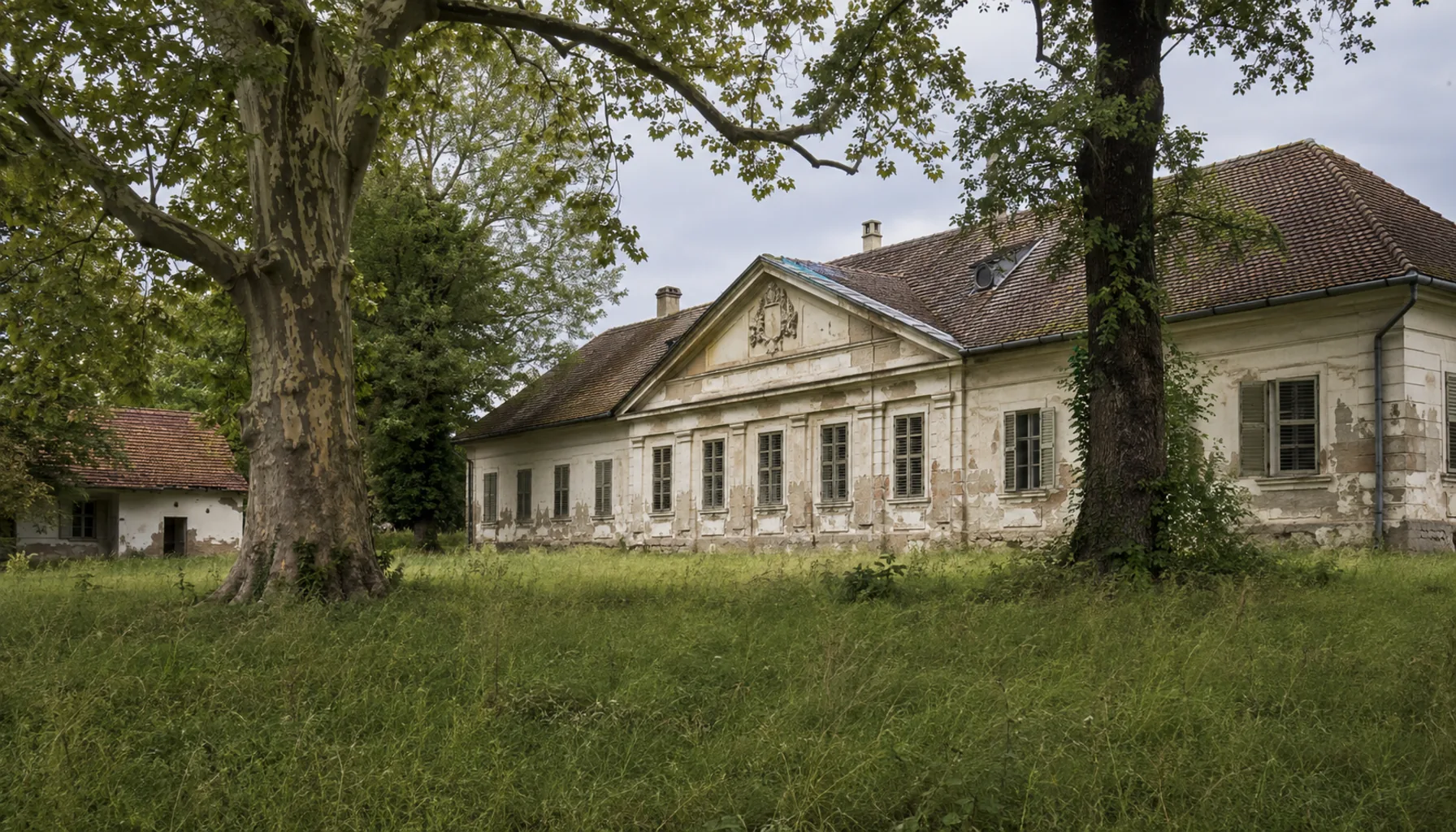
The Esterházy manor house at Želiezovce seen from the old park beside the Hron, where Schubert spent two summers as music tutor
The Esterházy manor house at Želiezovce seen from the old park beside the Hron, where Schubert spent two summers as music tutor.Kaštieľ Esterházyovcov v Želiezovciach zo starého parku pri Hrone, kde Schubert strávil dve letá ako učiteľ hudby.

The year in ŽeliezovceRok v Želiezovciach

One strand of the calendar here is genuinely the town's own: the concerts carry Schubert's name, because the composer spent the summers of 1818 and 1824 in the manor house as music tutor to the Esterházy children. A small town does not often get to build a concert tradition on something that actually happened in its own park.Jedna niť miestneho kalendára naozaj patrí tomuto mestu: koncerty nesú Schubertovo meno, lebo skladateľ strávil letá rokov 1818 a 1824 v kaštieli ako učiteľ hudby esterháziovských detí. Malé mesto nedostane často príležitosť postaviť koncertnú tradíciu na niečom, čo sa naozaj stalo v jeho vlastnom parku.

Around it runs the ordinary year of a small lowland town: markets, town days, church feasts, school and folk performances, and the park by the river through the warm months. Both Slovak and Hungarian are everyday languages in the town and the villages around it, and the older name Zseliz is still in use, so some of what is on happens in one language and some in the other.Okolo toho beží obyčajný rok malého nížinného mesta: trhy, dni mesta, cirkevné sviatky, školské a folklórne vystúpenia a park pri rieke počas teplých mesiacov. V meste aj v okolitých obciach sú bežnými jazykmi slovenčina aj maďarčina a staršie meno Zseliz sa stále používa, takže časť programu je v jednom jazyku a časť v druhom.

Where culture livesKde žije kultúra

The Esterházy manor house and its park are the town's cultural address, and they need an honest description. The house has spent long stretches in poor repair, restoration has proceeded in phases, and what can actually be entered has varied from one year to the next. A small memorial exhibition has existed on and off. Ask locally what is open before making the journey for it.Kultúrnou adresou mesta je esterháziovský kaštieľ a jeho park a treba ich opísať poctivo. Dom bol dlhé obdobia v zlom stave, obnova prebieha po etapách a to, čo sa dá naozaj vojsť, sa rok od roka mení. Malá pamätná expozícia tu fungovala s prestávkami. Pred cestou za ňou sa oplatí spýtať priamo v meste, čo je otvorené.

The park along the Hron, with its old trees, is the part that has always been walkable whatever state the house is in. Schubert is commemorated in it, and in the outbuilding traditionally shown as his lodging, which is a modest and rather truthful way to remember a tutor who lived in the servants' end of an estate.Park pri Hrone so starými stromami je tá časť, ktorá sa dala prejsť vždy, nech bol dom v akomkoľvek stave. Schubertovi je v ňom venovaná pripomienka, rovnako ako v hospodárskej budove tradične ukazovanej ako jeho ubytovanie, čo je skromný a dosť pravdivý spôsob, ako si pripomenúť učiteľa bývajúceho v služobníckom krídle panstva.

For the rest, this is a small town with the usual machinery: a cultural centre with a hall and a programme, a library, a school of art for children, and amateur choirs and folk groups. We name none of them, because premises and programmes change faster than a page like this does. The town's other claim on the wider world sits in no building at all: a late phase of the Linear Pottery culture, first recognised from vessels dug out of these fields, is called the Želiezovce group in textbooks written in half a dozen languages. It is an unglamorous sort of fame and the town has never made much of it.Inak je to malé mesto s obvyklou výbavou: kultúrne stredisko so sálou a programom, knižnica, základná umelecká škola a ochotnícke spevácke a folklórne súbory. Menovite neuvádzame ani jeden, lebo priestory a programy sa menia rýchlejšie ako takáto stránka. Ďalší nárok tohto mesta na širší svet nesídli v nijakej budove: neskorá fáza kultúry s lineárnou keramikou, prvý raz rozpoznaná z nádob vykopaných na tunajších poliach, sa v učebniciach v pol tucte jazykov volá želiezovská skupina. Je to neefektná sláva a mesto z nej nikdy veľa nerobilo.

The buildings that carry itBudovy, ktoré ju nesú

In 1720 the Esterházy family, one of the great landowning houses of the kingdom, built a manor house here and laid out a large park beside the river around it. The building was remodelled later in a classical style. This is the economy of the age made visible: the estate's fields, its labourers and its dues paid for a house, a garden and a household with music in it. Without that house the town's one internationally known episode could not have happened at all.V roku 1720 tu Esterháziovci, jeden z veľkých pozemkových rodov kráľovstva, postavili kaštieľ a okolo neho pri rieke založili veľký park. Budovu neskôr prestavali v klasicistickom duchu. Je to hospodárstvo tej doby zhmotnené do stavby: polia panstva, jeho robotníci a dávky zaplatili dom, záhradu a domácnosť, v ktorej sa hrávalo. Bez tohto domu by sa jediná medzinárodne známa epizóda mesta nemohla stať vôbec.

The older layer is the church. Želiezovce is first mentioned in writing in 1274, and the record already names a church, a mill and a stone bridge, which is worth pausing on: in the thirteenth century rivers were crossed at fords or on timber, so a stone bridge over the Hron says a route needed this place. The Gothic church of St James, whose core goes back to about 1332, is the descendant of that first entry.Staršou vrstvou je kostol. Želiezovce sa prvý raz spomínajú v písomnostiach v roku 1274 a záznam už uvádza kostol, mlyn a kamenný most, pri čom sa oplatí zastaviť: v trinástom storočí sa rieky prechádzali brodmi alebo po dreve, takže kamenný most cez Hron hovorí, že cesta toto miesto potrebovala. Gotický Kostol svätého Jakuba, ktorého jadro siaha asi do roku 1332, je potomkom toho prvého zápisu.

Both buildings carry the marks of the twentieth century. The land reform of the new republic after 1920 broke up the great estates of the south, and the age in which a family could keep a house and a park out of the rents of the surrounding fields was over; the manor entered the long, uneven decline the town is still dealing with. At the end of 1944 the Red Army reached the Hron and the river became the front line for three winter months, the town was fought over and badly damaged, and the church of St James was among the buildings wrecked in 1945. What stands here today was rebuilt out of that.Obe stavby nesú stopy dvadsiateho storočia. Pozemková reforma novej republiky po roku 1920 rozbila veľké južné panstvá a čas, keď rodina dokázala udržať dom a park z nájmov okolitých polí, sa skončil; kaštieľ vstúpil do dlhého a nerovnomerného úpadku, s ktorým sa mesto vyrovnáva dodnes. Koncom roka 1944 dosiahla Červená armáda Hron a rieka sa na tri zimné mesiace stala frontovou líniou, o mesto sa bojovalo a bolo ťažko poškodené a Kostol svätého Jakuba patril k budovám zničeným v roku 1945. To, čo tu dnes stojí, bolo z toho postavené nanovo.
Schubert's two summersSchubertove dve letá

Franz Schubert came to Zseliz in the summer of 1818, twenty-one years old and unknown outside a circle of friends, as music tutor to the two daughters of Count Johann Karl Esterházy. He returned for a second summer in 1824. He worked here more steadily than he usually managed in Vienna, and much of his music for piano four hands, including the Grand Duo and the Marche militaire, belongs to these stays.Franz Schubert prišiel do Zselizu v lete 1818 ako dvadsaťjedenročný, mimo okruhu priateľov neznámy, ako učiteľ hudby dvoch dcér grófa Johanna Karla Esterháziho. Na druhé leto sa vrátil v roku 1824. Pracoval tu sústredenejšie, než sa mu zvyčajne darilo vo Viedni, a veľká časť jeho hudby pre štvorručný klavír vrátane Grand Duo a Marche militaire pochádza z týchto pobytov.

The Fantasy in F minor, written later, is dedicated to Caroline, the younger daughter. What lay behind that dedication has been argued over ever since, which is a polite way of saying that nobody knows. The town has been sensible about this: it commemorates the visits and does not embroider them.Neskôr napísaná Fantázia f mol je venovaná mladšej dcére Caroline. O tom, čo za tým venovaním stálo, sa odvtedy vedú spory, čo je zdvorilý spôsob, ako povedať, že to nikto nevie. Mesto sa k tomu stavia rozumne: návštevy pripomína a nevyšíva okolo nich.

A generation later the same countryside saw the revolution. On 19 April 1849 the Hungarian revolutionary army beat the imperial army at Veľké Šarluhy, whose fields touch this town's own. Ten minutes by car separates the manor from the battlefield, and two completely different worlds.O generáciu neskôr videl ten istý kraj revolúciu. Devätnásteho apríla 1849 porazilo maďarské revolučné vojsko cisársku armádu pri Veľkých Šarluhách, ktorých polia sa dotýkajú chotára tohto mesta. Kaštieľ a bojisko delí desať minút autom a dva úplne odlišné svety.

← Želiezovce← Želiezovce

WatchPozrite si

Sixteen videos for Culture in Želiezovce.Šestnásť videí — Kultúra v Želiezovciach.