Nitra · Business & IndustryNitra · Firmy a priemysel
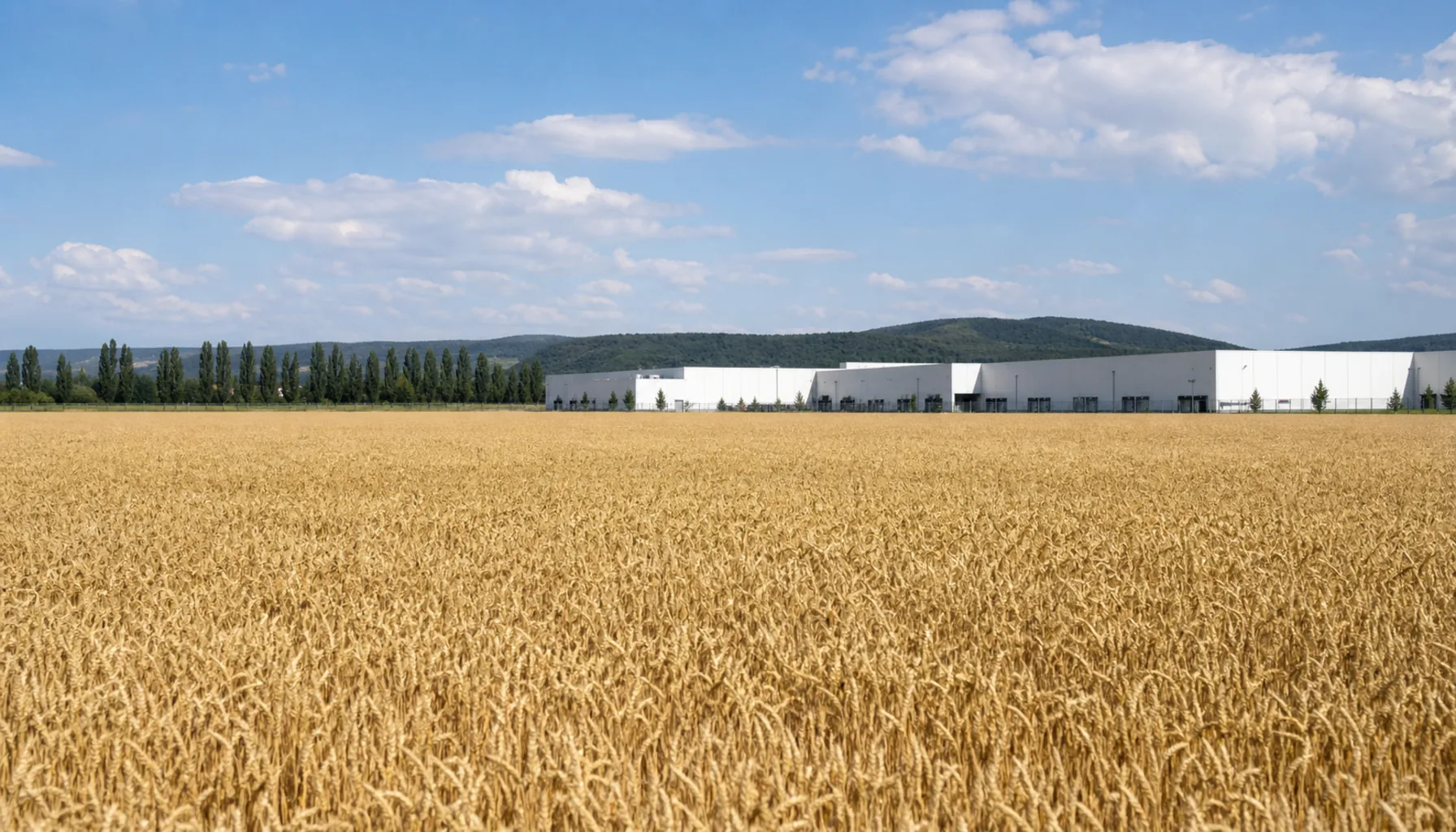
For a thousand years Nitra was the capital of a grain plain. Then, in the space of a single decade, it became one of Slovakia's car-building cities — without ever ceasing to be the first. This is the shape of an economy with two hearts.Tisíc rokov bola Nitra hlavným mestom obilnej roviny. Potom sa v priebehu jediného desaťročia stala jedným zo slovenských automobilových miest — a pritom neprestala byť tým prvým. Toto je tvar ekonomiky s dvoma srdcami.
Nitra is the seat of a region of black soil and flat horizons — the Danubian Lowland, the most productive farmland in Slovakia. That is not a historical footnote here; it is the reason the country's agricultural university, its national exhibition centre and much of its food research all ended up in this one city. For most of the modern era, Nitra's economy was the economy of the plain around it: grain, sugar beet, livestock, wine, and the machinery, mills and institutes that served them.Nitra je sídlom regiónu čiernej pôdy a plochých obzorov — Podunajskej nížiny, najúrodnejšej poľnohospodárskej krajiny na Slovensku. Nie je to historická poznámka pod čiarou: práve preto skončila v tomto jednom meste poľnohospodárska univerzita, národné výstavisko aj veľká časť potravinárskeho výskumu. Väčšinu novoveku bola nitrianska ekonomika ekonomikou roviny okolo nej: obilie, cukrová repa, dobytok, víno a stroje, mlyny a ústavy, ktoré im slúžili.
Then came the second heart. Slovakia had spent two decades assembling itself into Europe's most concentrated car-manufacturing country, and in the mid-2010s the wave reached Nitra: a greenfield strategic park north-west of the city, a British carmaker's first plant in continental Europe, and a supplier ecosystem that arrived with it. Within a few years, the district's employment profile had shifted from overwhelmingly agricultural and public-sector to substantially industrial.Potom prišlo druhé srdce. Slovensko sa dve desaťročia skladalo na krajinu s najkoncentrovanejšou výrobou áut v Európe a v polovici druhej dekády tohto storočia dorazila vlna aj do Nitry: strategický park na zelenej lúke severozápadne od mesta, prvý závod britskej automobilky v kontinentálnej Európe a dodávateľský ekosystém, ktorý prišiel s ním. Za pár rokov sa zamestnanecký profil okresu posunul z prevažne poľnohospodárskeho a verejného na výrazne priemyselný.
The two do not so much compete as sit awkwardly side by side. Industry pays better and pulls workers off the land and out of the region's smaller towns; agriculture keeps the countryside populated and supplies a food-processing chain that industry cannot replace. Nitra's particular advantage — and the thing that distinguishes it from Slovakia's other car towns — is that it never had to choose. It kept the university, the fair and the research institutes, and added the factories on top.Tie dve zložky si ani tak nekonkurujú, ako skôr nemotorne stoja vedľa seba. Priemysel platí lepšie a odčerpáva ľudí z pôdy aj z menších miest regiónu; poľnohospodárstvo drží vidiek obývaný a živí potravinársky reťazec, ktorý priemysel nenahradí. Osobitnou výhodou Nitry — a tým, čo ju odlišuje od ostatných slovenských automobilových miest — je, že si nikdy nemusela vyberať. Univerzitu, veľtrh aj výskumné ústavy si ponechala a továrne k nim iba pridala.
A city that fed a kingdom, now also building cars for one.Mesto, ktoré živilo kráľovstvo, dnes preň aj vyrába autá.
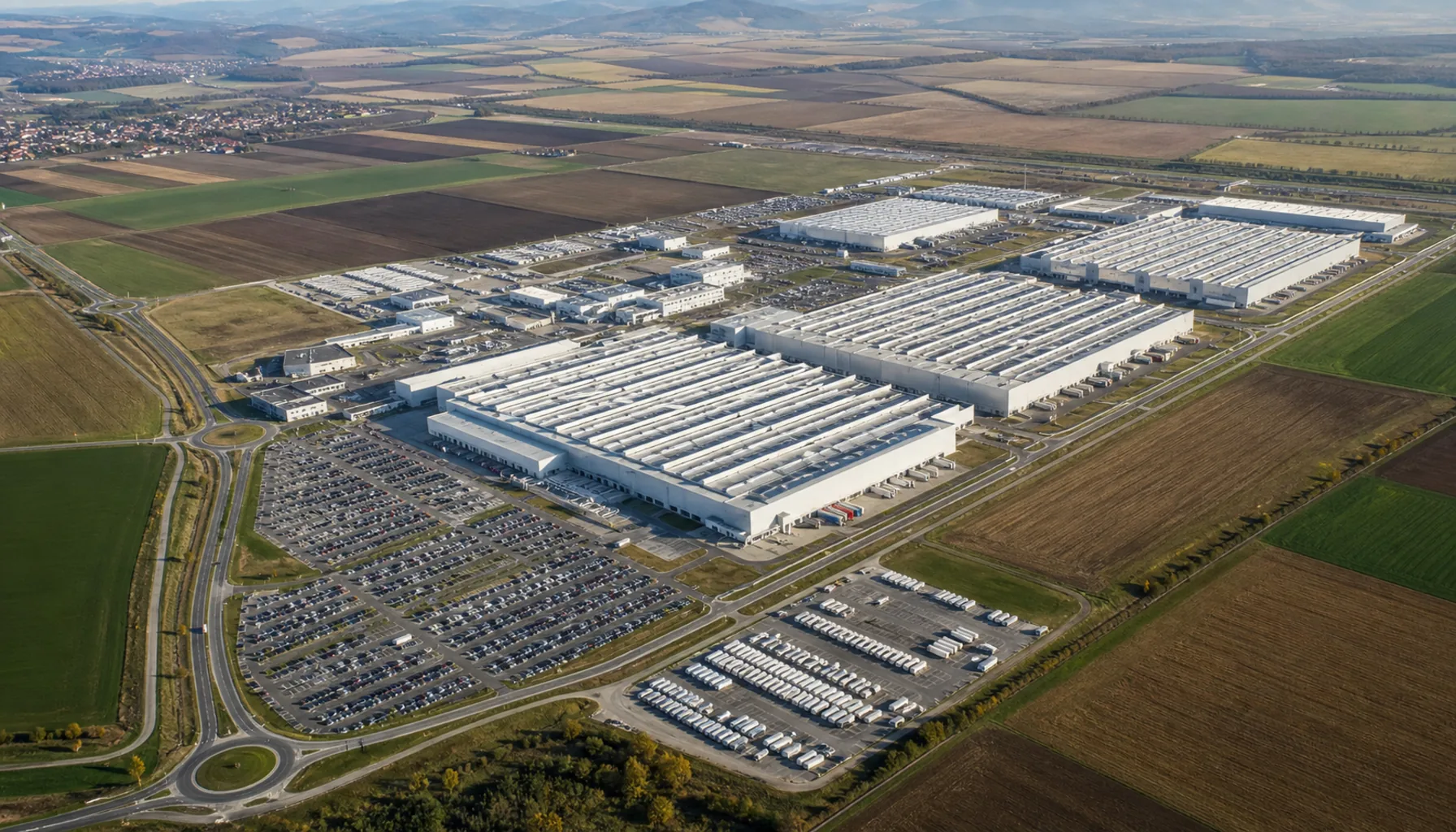
North-west of the city, on the flat land towards Lužianky, sits the development that changed Nitra's economic character: the Nitra Strategic Park. Its anchor is the Jaguar Land Rover Slovakia plant, which began series production in 2018 — the British marque's first factory in continental Europe, building large aluminium-bodied models for export. Almost everything else in the park exists because that plant does.Severozápadne od mesta, na rovine smerom na Lužianky, leží projekt, ktorý zmenil hospodársky charakter Nitry: Strategický park Nitra. Jeho kotvou je závod Jaguar Land Rover Slovakia, ktorý spustil sériovú výrobu v roku 2018 — prvá továreň britskej značky v kontinentálnej Európe, kde sa pre export vyrábajú veľké modely s hliníkovou karosériou. Takmer všetko ostatné v parku existuje preto, že existuje tento závod.
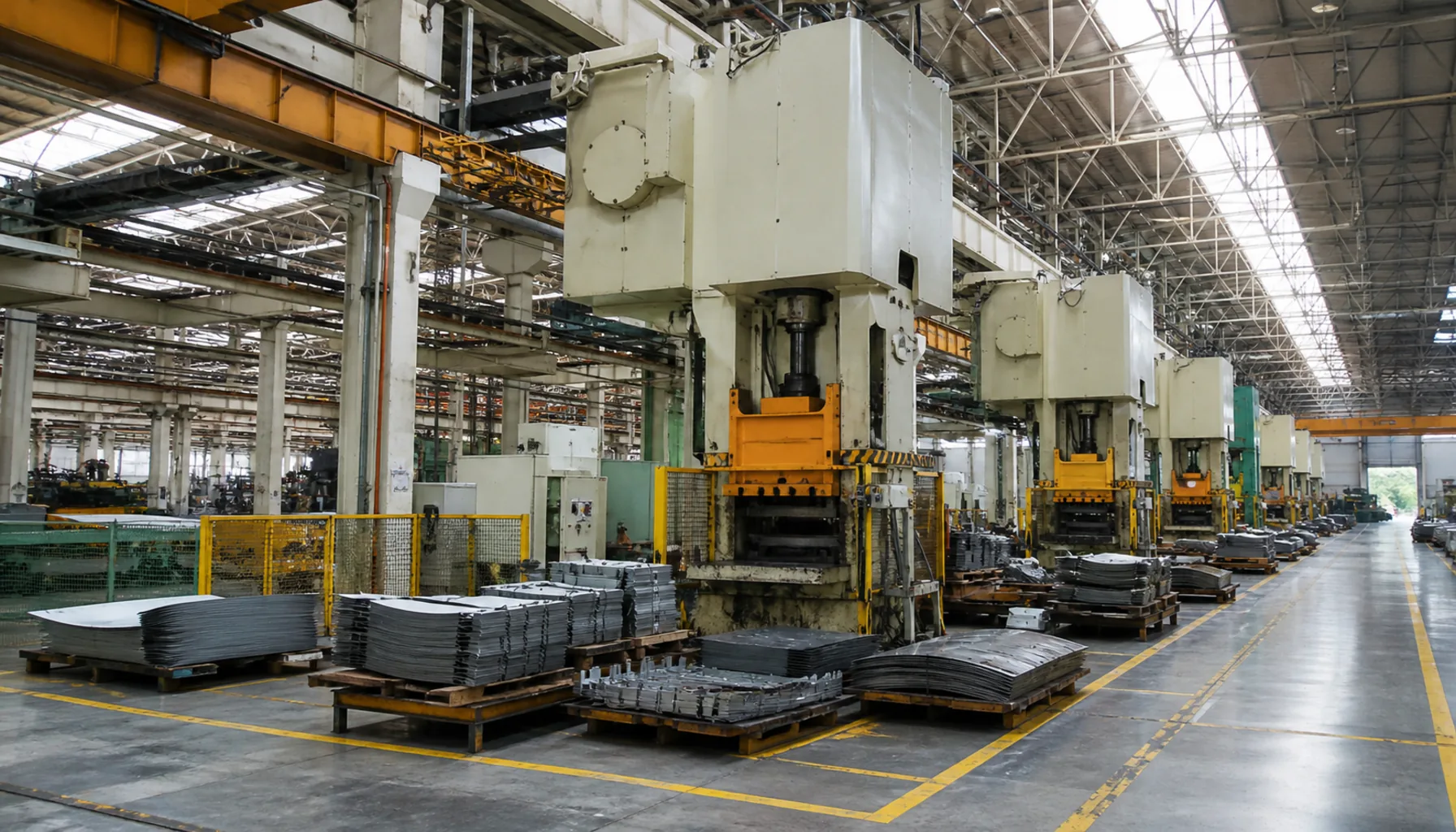
Modern car assembly is a logistics discipline as much as a manufacturing one, and the pattern is consistent everywhere it happens: the carmaker builds the body shop, paint shop and final assembly line, and a ring of tier-one suppliers settles within minutes of the gate so that parts can arrive in sequence, hours before they are fitted. Around Nitra that ring covers metal stamping and body structures, seating and interiors, plastics and exterior trim, and the logistics operators who run the sequencing warehouses in between.Moderná montáž áut je rovnako logistickou disciplínou ako výrobnou a schéma je všade rovnaká: automobilka postaví lisovňu, lakovňu a finálnu montážnu linku a okruh dodávateľov prvej úrovne sa usadí pár minút od brány, aby diely prichádzali v presnom poradí, hodiny pred montážou. Okolo Nitry tento okruh pokrýva lisovanie kovov a karosárske diely, sedačky a interiéry, plasty a vonkajšie doplnky a logistických operátorov, ktorí medzi tým prevádzkujú sekvenčné sklady.
The plant that made Nitra a car town. A full-cycle site — press shop, body shop, paint shop and final assembly — laid out on greenfield land beside the city's northern approach roads, shipping finished vehicles across Europe and beyond.Závod, ktorý z Nitry urobil automobilové mesto. Kompletná prevádzka — lisovňa, zvarovňa, lakovňa a finálna montáž — postavená na zelenej lúke pri severných príjazdových cestách do mesta, s odbytom hotových vozidiel po Európe aj ďalej.
The Spanish body-and-chassis group is among the tier-one suppliers established in the Nitra park, in the stamping and structural-components end of the business — the archetype of the supplier that follows an assembly plant to a new country.Španielska skupina zameraná na karosérie a podvozky patrí k dodávateľom prvej úrovne usadeným v nitrianskom parku, a to v segmente lisovania a konštrukčných dielov — učebnicový príklad dodávateľa, ktorý ide za montážnym závodom do novej krajiny.
Seats are too bulky to stockpile, so they are built to order and delivered in build sequence, often within a couple of hours of fitting. Plants of this type cluster immediately beside an assembly works — a defining feature of the landscape here.Sedačky sú príliš objemné na skladovanie, preto sa vyrábajú na objednávku a dodávajú v poradí montáže, často pár hodín pred zabudovaním. Prevádzky tohto typu sa zhlukujú tesne pri montážnom závode — čo je pre tunajšiu krajinu charakteristický znak.
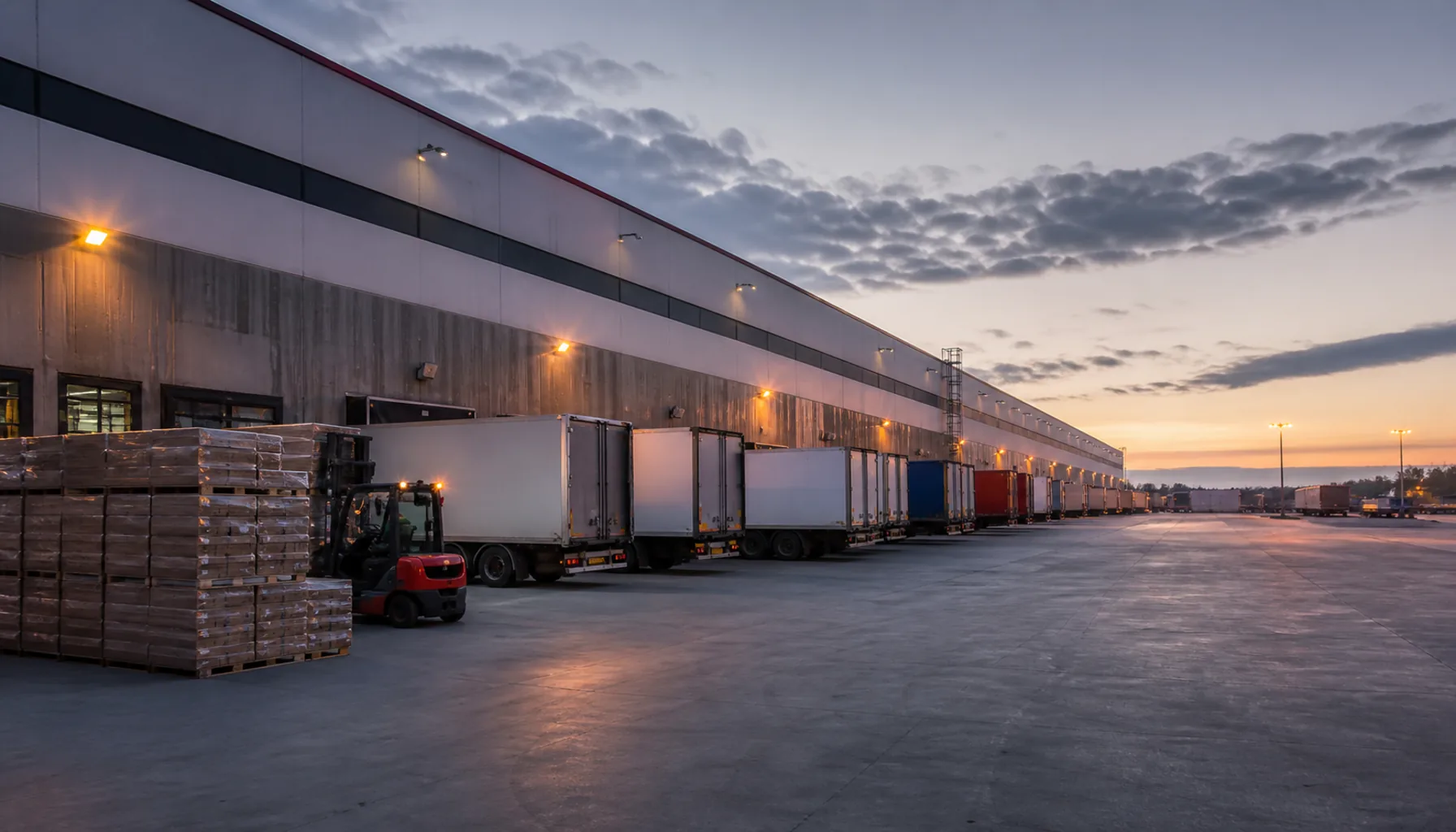
Bumpers, dashboards and exterior panels are moulded locally; behind them sit the sequencing warehouses and haulage yards that keep the line fed. Logistics is a large employer in its own right here, and often the entry point into the cluster.Nárazníky, palubné dosky a vonkajšie panely sa vyrábajú lokálne; za nimi stoja sekvenčné sklady a dopravné areály, ktoré držia linku v chode. Logistika je tu sama osebe veľkým zamestnávateľom a často aj vstupnou bránou do celého klastra.
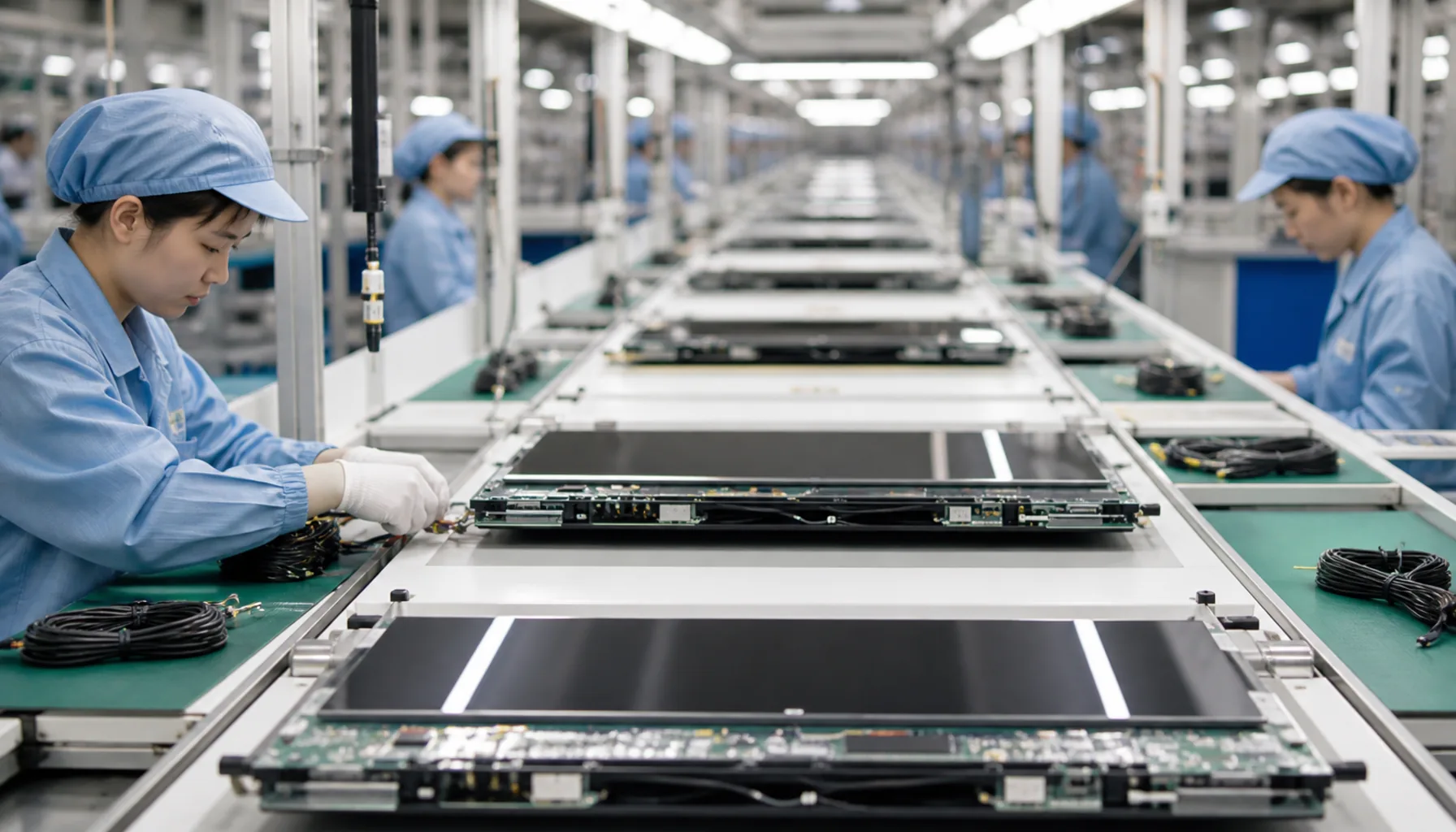
Nitra was an industrial city long before 2018, and the layers are still legible if you know where to look. The largest surviving piece of the pre-automotive era is the Foxconn plant on the southern side of the city: a consumer-electronics operation that grew out of a Sony television factory and passed to the Taiwanese contract manufacturer in the late 2000s. Television assembly is a very different discipline from car assembly — high volume, thin margins, sharply seasonal — and it gave Nitra a first taste of large-scale foreign manufacturing.Nitra bola priemyselným mestom dávno pred rokom 2018 a jednotlivé vrstvy sú stále čitateľné, ak viete, kam sa pozerať. Najväčším zachovaným kusom éry pred príchodom automobiliek je závod Foxconn na južnej strane mesta: spotrebnoelektronická prevádzka, ktorá vyrástla z televíznej továrne Sony a koncom prvej dekády tohto storočia prešla na taiwanského zmluvného výrobcu. Montáž televízorov je celkom iná disciplína než montáž áut — vysoké objemy, tenké marže, výrazná sezónnosť — a Nitre dala prvú skúsenosť s veľkovýrobou pod zahraničnou vlajkou.
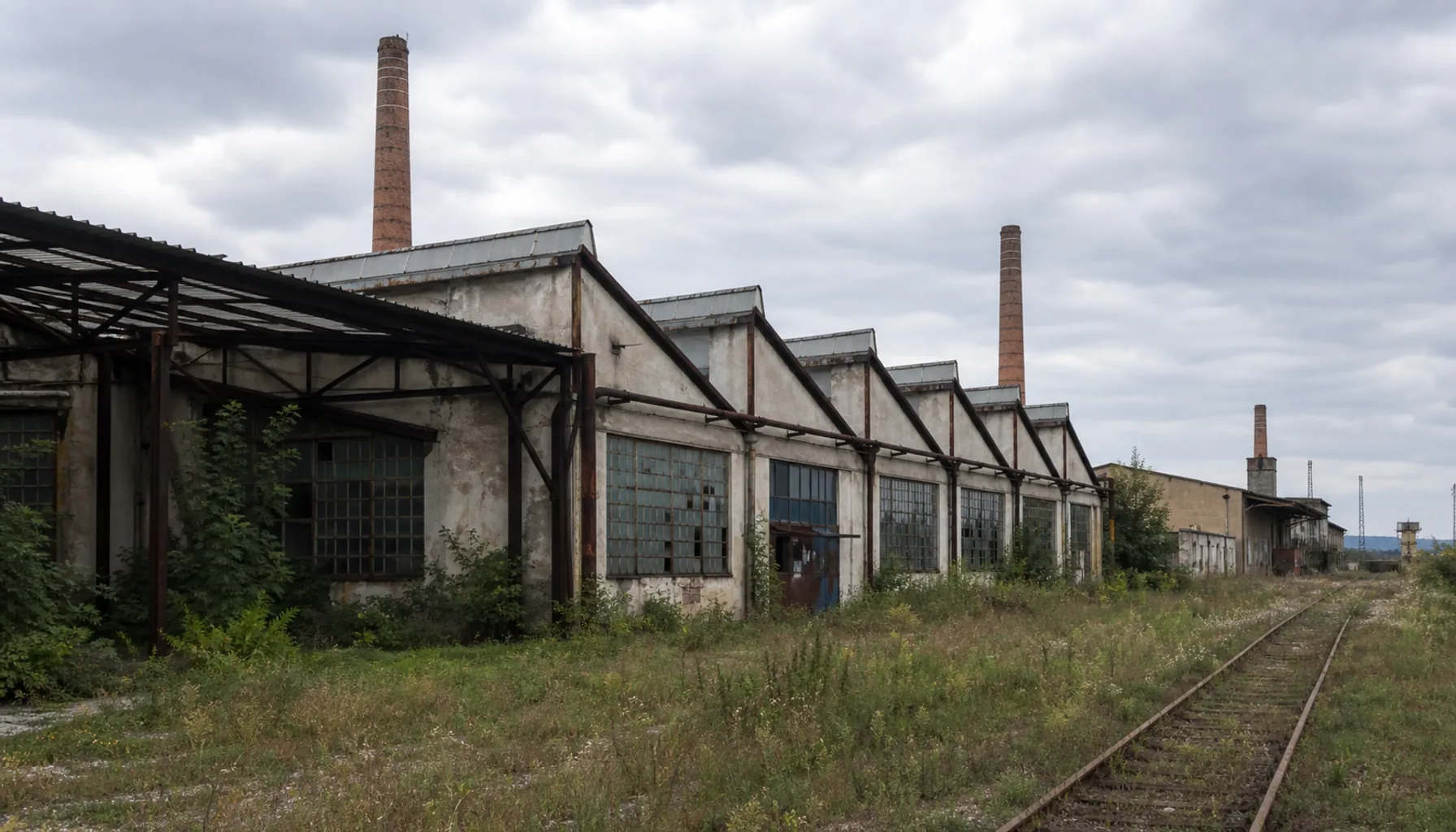
Behind that lies the socialist-era industrial city, most of which no longer operates in the form it once had. Plastika made Nitra a plastics town and left a name that older residents still use for a whole district of works. Elitex tied the city into Czechoslovakia's textile-machinery industry. And the mills that once ground the plain's grain on the riverside gave their name — mlyny — to the shopping centre that stands on the site today, one of the neater examples anywhere of a post-industrial city reusing its own vocabulary.Za tým sa skrýva priemyselné mesto socialistickej éry, ktoré vo väčšine prípadov už nefunguje v podobe, akú kedysi malo. Plastika urobila z Nitry mesto plastov a zanechala meno, ktorým starší Nitrania dodnes označujú celú priemyselnú štvrť. Elitex zapojil mesto do československého textilného strojárstva. A mlyny, ktoré kedysi na brehu rieky mleli obilie z roviny, dali svoje meno obchodnému centru, ktoré dnes stojí na ich mieste — jeden z najúhľadnejších príkladov toho, ako si postindustriálne mesto požičiava vlastný slovník.
And there was beer. Corgoň, the brand named after the stone giant who holds up a doorway in Nitra's old town, was brewed in the city for generations and became one of Slovakia's best-known lagers. Brewing in Nitra itself came to an end during the 2010s as production was consolidated elsewhere; the brand outlived the brewery, which is a common enough fate in Central European beer and a small loss to the city all the same.A bolo tu pivo. Corgoň, značka pomenovaná podľa kamenného siláka, ktorý v nitrianskom starom meste podopiera portál, sa v meste varila celé generácie a stala sa jedným z najznámejších slovenských ležiakov. Varenie piva priamo v Nitre sa počas druhej dekády tohto storočia skončilo, keď sa výroba sústredila inde; značka prežila pivovar, čo je v stredoeurópskom pivovarníctve dosť bežný osud a pre mesto napriek tomu malá strata.
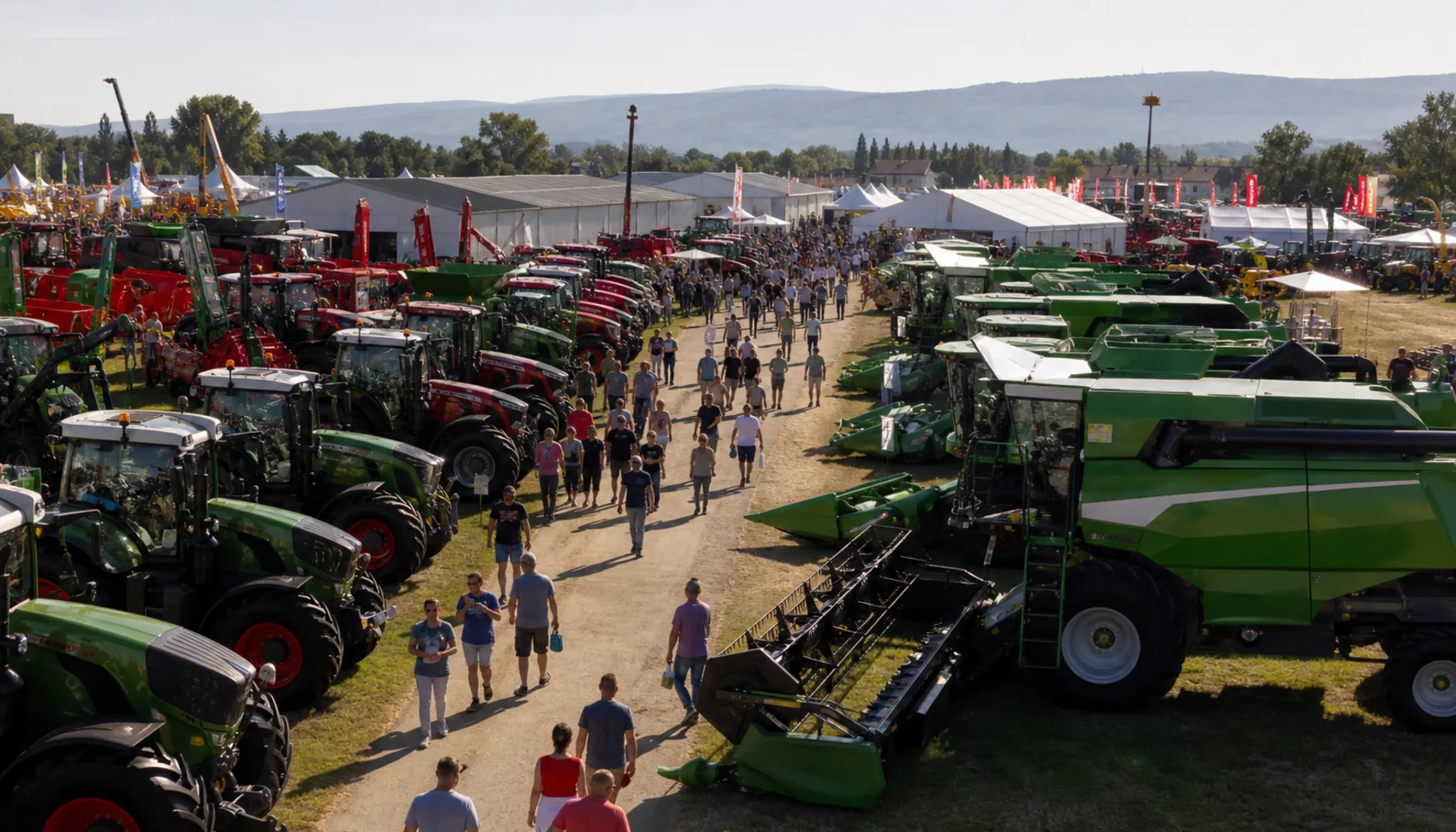
If Slovak agriculture has a capital, it is Nitra — not by decree, but by the accumulation of institutions. Agrokomplex Národné výstavisko, the national exhibition centre, occupies a large site in the Chrenová quarter and stages the country's principal international agricultural and food fair each August. It is the week the whole sector comes to town: machinery on the outdoor grounds, livestock in the halls, food producers, breeders' competitions and trade delegations, and a city that runs out of hotel rooms.Ak má slovenské poľnohospodárstvo svoje hlavné mesto, je ním Nitra — nie z rozhodnutia zhora, ale nahromadením inštitúcií. Agrokomplex Národné výstavisko zaberá rozsiahly areál na Chrenovej a každý august hostí hlavný medzinárodný poľnohospodársky a potravinársky veľtrh v krajine. Je to týždeň, keď do mesta príde celý sektor: stroje na vonkajších plochách, hospodárske zvieratá v halách, potravinári, chovateľské súťaže a obchodné delegácie — a mesto, ktorému dôjdu hotelové izby.
Around the fairground sits the research layer. The National Agricultural and Food Centre — the state umbrella for Slovakia's agricultural, animal-production and food research institutes — is headquartered in Nitra, and the Slovak University of Agriculture supplies both the graduates and much of the applied science. Between them they make Nitra the place where Slovak farming policy, breeding programmes and food technology are actually worked out, not merely practised.Okolo výstaviska sa nachádza výskumná vrstva. Národné poľnohospodárske a potravinárske centrum — štátna zastrešujúca inštitúcia pre slovenské poľnohospodárske, živočíšne a potravinárske výskumné ústavy — sídli v Nitre a Slovenská poľnohospodárska univerzita dodáva absolventov aj veľkú časť aplikovanej vedy. Spoločne robia z Nitry miesto, kde sa slovenská poľnohospodárska politika, šľachtiteľské programy a potravinárske technológie naozaj tvoria, nielen uplatňujú.
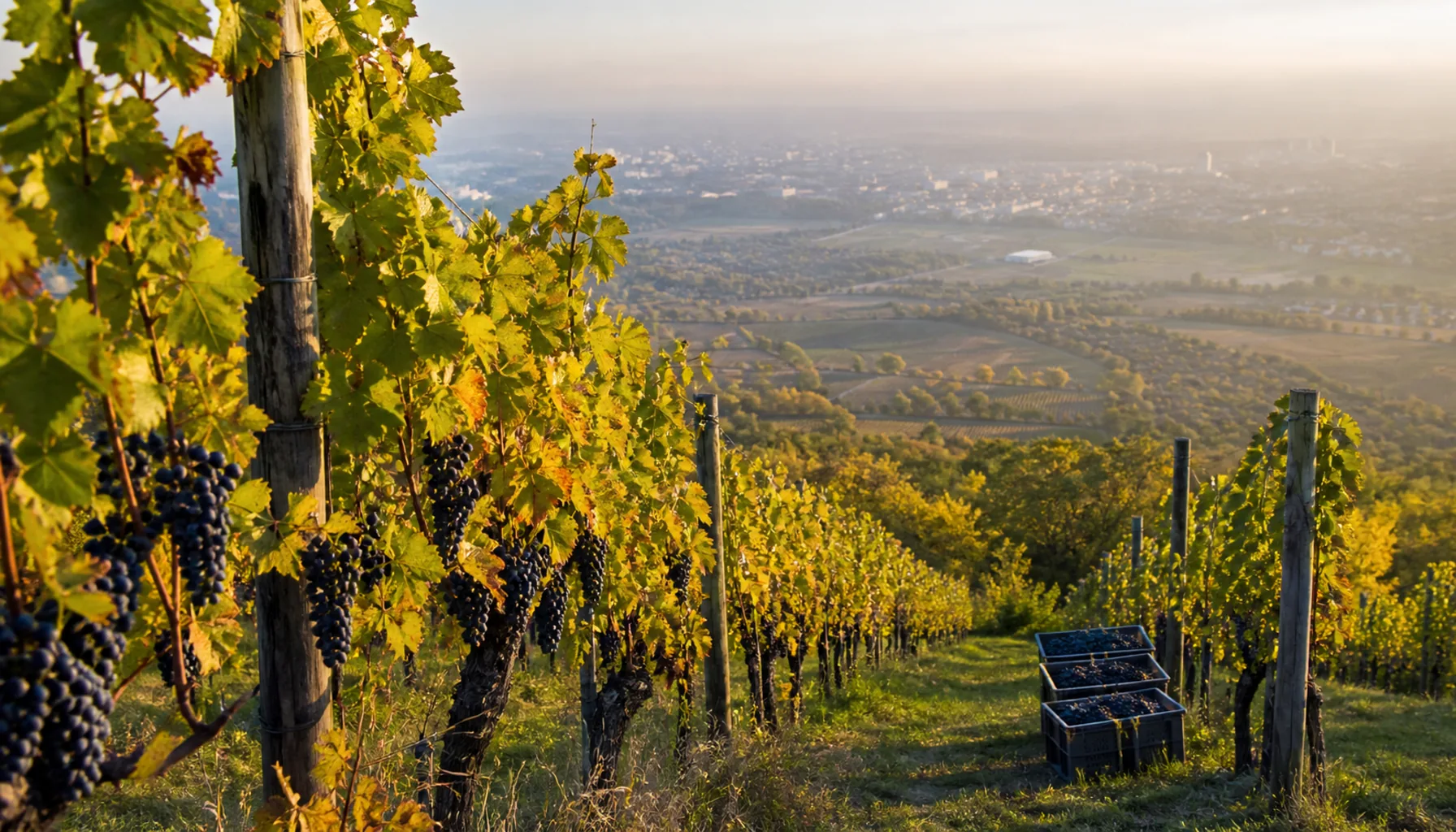
And then there is wine. The Nitra wine region is one of Slovakia's six, running across the slopes of Zobor and Tribeč and the hills beyond, with growers ranging from single-family cellars to substantial producers. Together with the mills, the dairies, the meat and the sugar beet, it forms an agri-food supply chain that still anchors employment across the whole district — quietly, and without the headlines the car plant attracts.A potom je tu víno. Nitrianska vinohradnícka oblasť je jednou zo šiestich na Slovensku; tiahne sa po svahoch Zobora a Tribeča a po kopcoch za nimi a jej vinári siahajú od rodinných pivníc po veľkých producentov. Spolu s mlynmi, mliekarňami, mäsom a cukrovou repou tvorí agropotravinársky reťazec, ktorý dodnes drží zamestnanosť v celom okrese — potichu a bez titulkov, aké priťahuje automobilka.
Nitra's industry is not spread evenly around the city; it sits in three recognisable zones, each with its own character and its own approach road. Knowing which is which is the difference between a twenty-minute commute and an hour of it, and it is the first thing anyone moving here for work learns.Nitriansky priemysel nie je po meste rozložený rovnomerne; sústreďuje sa do troch rozpoznateľných zón, pričom každá má vlastný charakter aj vlastnú príjazdovú cestu. Vedieť, ktorá je ktorá, znamená rozdiel medzi dvadsaťminútovým dochádzaním a hodinovým — a je to prvá vec, ktorú sa sem každý prisťahovaný za prácou naučí.
The newest and by far the largest zone: purpose-built on farmland towards Lužianky, dominated by vehicle assembly and its supplier ring, with its own road connections laid in for the purpose. This is where the region's industrial growth of the last decade physically happened.Najnovšia a zďaleka najväčšia zóna: účelovo postavená na poľnohospodárskej pôde smerom na Lužianky, s dominanciou montáže vozidiel a okruhu dodávateľov, s cestnými napojeniami vybudovanými priamo pre ňu. Tu sa fyzicky odohral priemyselný rast regiónu za poslednú dekádu.
On the northern edge, below the ridge that carries the little Romanesque church above the village, a mixed zone of light manufacturing, workshops and distribution — smaller units, more domestic firms, and less of the single-tenant scale of the strategic park.Na severnom okraji, pod hrebeňom, na ktorom nad obcou stojí malý románsky kostolík, sa rozprestiera zmiešaná zóna ľahkej výroby, dielní a distribúcie — menšie prevádzky, viac domácich firiem a menej jednonájomníckeho rozmeru, aký má strategický park.
The city's traditional industrial flank, strung along the southern approach and the rail line. Older works, warehousing and haulage yards sit here alongside newer distribution sheds — less photogenic than the strategic park, and a large share of the everyday employment.Tradičné priemyselné krídlo mesta, natiahnuté pozdĺž južného príjazdu a železničnej trate. Staršie závody, sklady a dopravné areály tu stoja vedľa novších distribučných hál — menej fotogenické než strategický park a s veľkým podielom na každodennej zamestnanosti.
The plants draw labour from a wide arc of villages and small towns, moved by company shift buses and a great deal of car-sharing. The effect on those villages — new houses, returning young families, pressure on roads — is one of the clearer social consequences of the investment.Závody čerpajú pracovnú silu zo širokého oblúka obcí a menších miest, ktorú vozia firemné zmenové autobusy a hojné spoločné jazdy autom. Dopad na tieto obce — nové domy, vracajúce sa mladé rodiny, tlak na cesty — patrí k najzreteľnejším spoločenským dôsledkom týchto investícií.
Not every job in Nitra involves a production line. The city is a regional centre of about eighty thousand people serving a much larger catchment, and a great deal of its employment is in the ordinary business of being that centre: shops, offices, hospitals, schools and public administration.Nie každá práca v Nitre má čo do činenia s výrobnou linkou. Mesto je regionálnym centrom s približne osemdesiatimi tisícmi obyvateľov, ktoré obsluhuje oveľa väčšie spádové územie, a veľká časť jeho zamestnanosti spočíva v celkom obyčajnej práci takéhoto centra: obchody, kancelárie, nemocnice, školy a verejná správa.
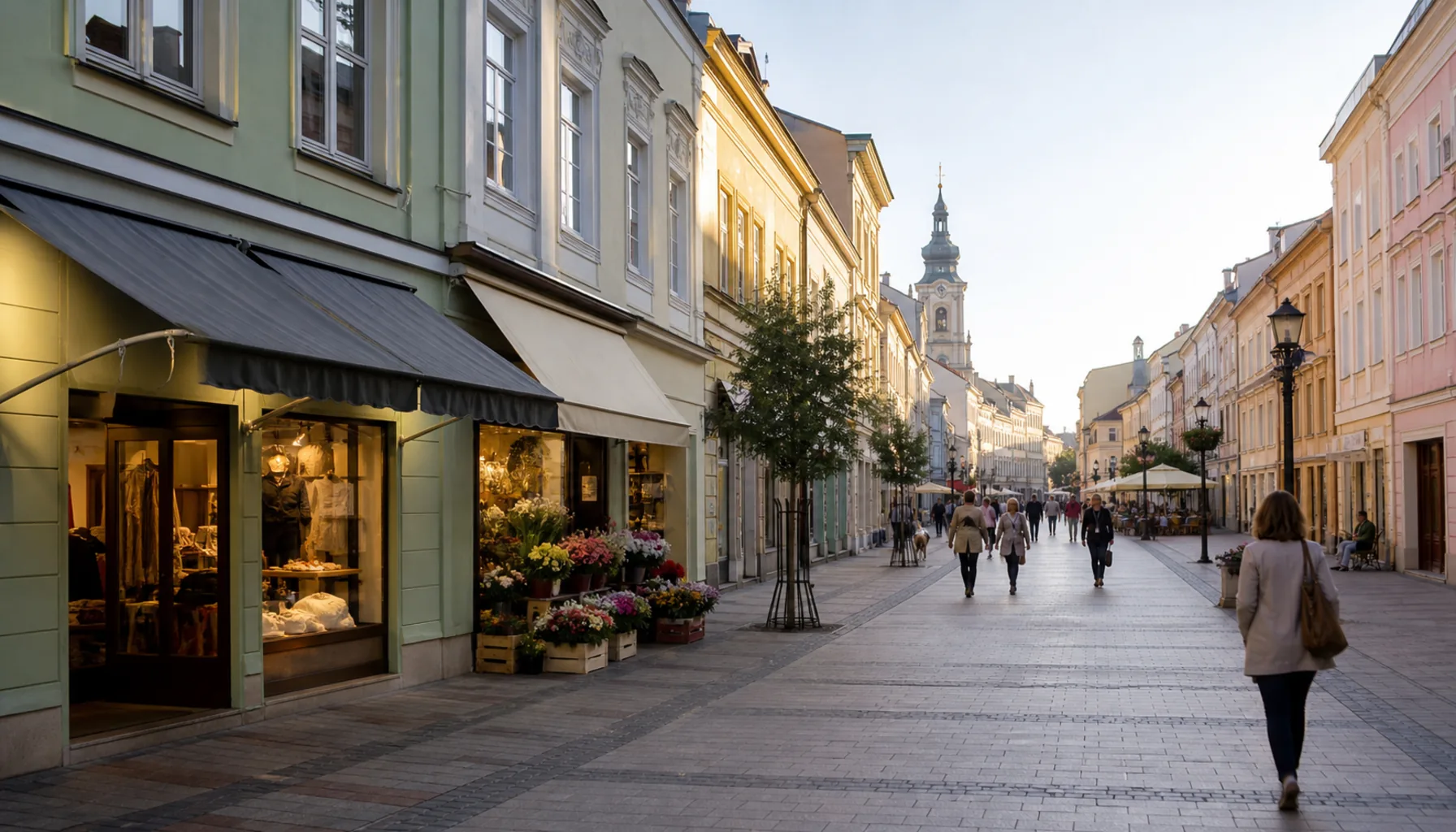
Galéria Mlyny is the city's principal shopping centre — the mall on the site of the old riverside mills, and the default meeting place for half the district on a wet Saturday. Alongside it, the old town keeps a working retail street: Štefánikova trieda and the pedestrian lanes off it hold the independent shops, cafés and services that a mall does not replace, and they are busier than the equivalent streets in many Slovak towns of this size.Galéria Mlyny je hlavným obchodným centrom mesta — nákupné centrum na mieste starých mlynov pri rieke a v daždivú sobotu prirodzené miesto stretnutia pre polovicu okresu. Popri ňom si staré mesto udržalo živú obchodnú ulicu: Štefánikova trieda a pešie uličky okolo nej sústreďujú nezávislé obchody, kaviarne a služby, ktoré nákupné centrum nenahradí — a sú rušnejšie než obdobné ulice v mnohých slovenských mestách tejto veľkosti.
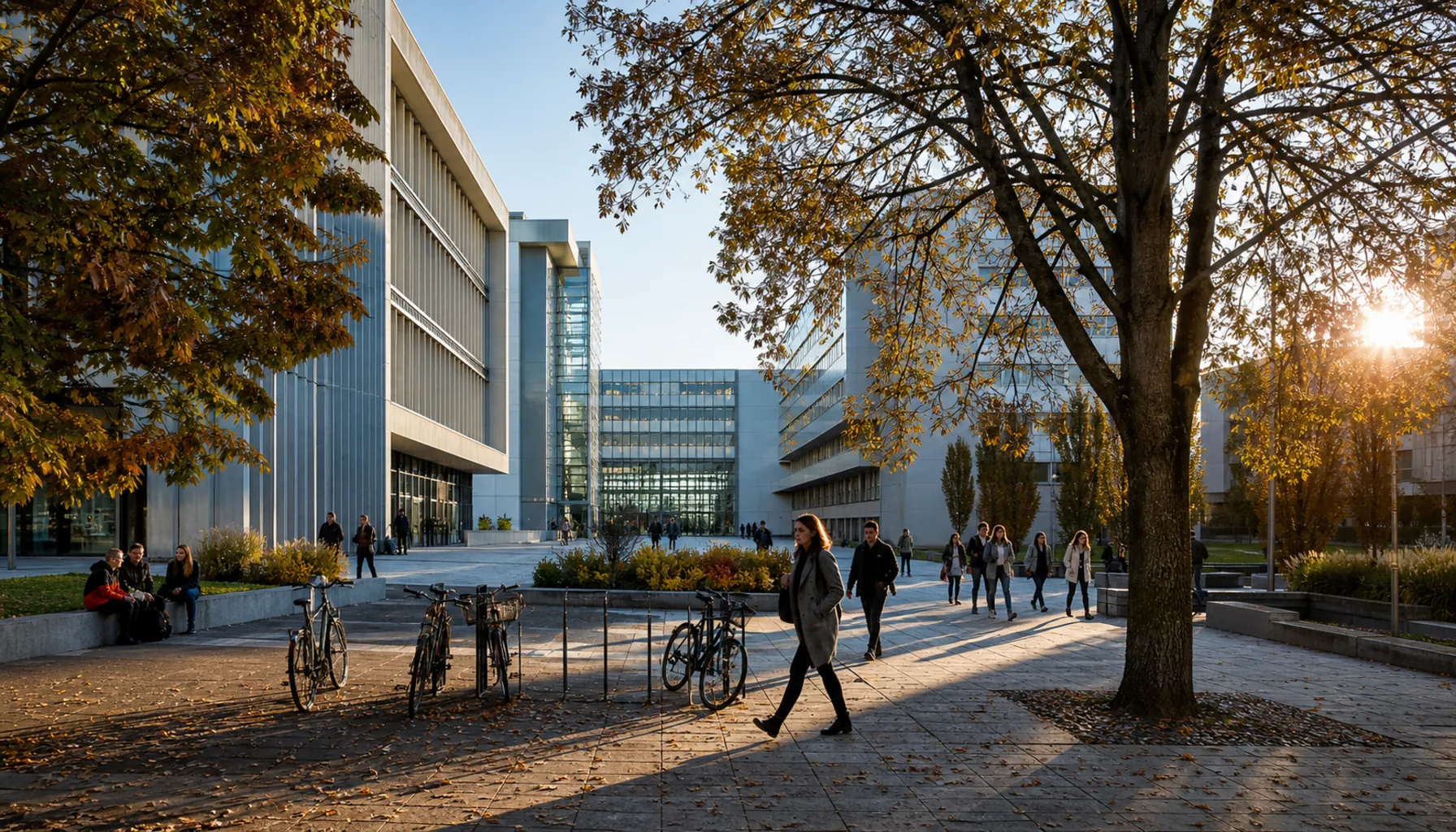
Behind the retail sits the region's institutional employment. Nitra is the seat of the Nitra self-governing region, one of Slovakia's eight; the faculty hospital serves a catchment far beyond the city and is among its largest single employers; and the two universities together bring in many thousands of students who rent flats, work part-time, fill the bars in term time and empty the city every July. The student economy is small in euro terms and enormous in its effect on what Nitra feels like.Za obchodom stojí inštitucionálna zamestnanosť regiónu. Nitra je sídlom Nitrianskeho samosprávneho kraja, jedného z ôsmich na Slovensku; fakultná nemocnica obsluhuje spádové územie ďaleko za hranicami mesta a patrí k jeho najväčším jednotlivým zamestnávateľom; a obe univerzity spoločne privádzajú tisíce študentov, ktorí si prenajímajú byty, pracujú na čiastočný úväzok, počas semestra zapĺňajú podniky a každý júl mesto vyprázdnia. Študentská ekonomika je v eurách malá a v tom, akú má Nitra atmosféru, obrovská.
What follows is qualitative on purpose. Anyone considering Nitra seriously will need current figures from official sources — the statistical office, the investment agency, the region and the city — and those numbers change faster than a page like this can honestly track. What does not change quickly is the shape of the place, and that is what the table describes.Nasledujúce riadky sú zámerne kvalitatívne. Každý, kto o Nitre uvažuje vážne, bude potrebovať aktuálne čísla z oficiálnych zdrojov — zo štatistického úradu, investičnej agentúry, kraja a mesta — a tie sa menia rýchlejšie, než ich môže stránka ako táto poctivo sledovať. Čo sa rýchlo nemení, je povaha miesta, a práve tú tabuľka opisuje.
| TopicTéma | OrientationOrientácia |
|---|---|
| LanguageJazyk | Slovak is the working language of administration and of most domestic firms. English is common in the automotive plants, the supplier companies and the universities; German is widely useful in engineering contexts.Pracovným jazykom úradov a väčšiny domácich firiem je slovenčina. Angličtina je bežná v automobilových závodoch, u dodávateľov a na univerzitách; nemčina sa v strojárskom prostredí často zíde. |
| CurrencyMena | The euro. Slovakia has been in the eurozone since 2009 — no currency conversion with most of its trading partners in the EU.Euro. Slovensko je v eurozóne od roku 2009 — s väčšinou obchodných partnerov v EÚ teda bez menovej konverzie. |
| Road positionPoloha na cestnej sieti | Nitra sits on the R1 expressway, the direct link west towards Trnava and Bratislava and north-east towards Zvolen and Banská Bystrica. Road is the region's primary freight and commuting mode.Nitra leží na rýchlostnej ceste R1, priamom spojení na západ smerom na Trnavu a Bratislavu a na severovýchod smerom na Zvolen a Banskú Bystricu. Cestná doprava je pre región hlavným spôsobom prepravy tovaru aj dochádzania. |
| RailŽeleznica | Nitra is not on a main passenger corridor and rail connections are indirect; freight sidings serve the industrial zones. Most business travel arrives by road.Nitra neleží na hlavnom osobnom koridore a vlakové spojenia sú nepriame; priemyselné zóny obsluhujú nákladné vlečky. Väčšina služobných ciest sem prichádza po ceste. |
| AirportsLetiská | Bratislava Airport is the nearest international gateway, roughly an hour and a half by road; Vienna Airport is the larger hub and a longer but very common drive. Nitra's own airfield at Janíkovce is a general-aviation facility, not a scheduled airport.Najbližšou medzinárodnou bránou je letisko Bratislava, autom zhruba hodinu a pol; letisko Viedeň je väčším uzlom a jazda naň je dlhšia, no veľmi bežná. Nitrianske letisko v Janíkovciach je zariadením všeobecného letectva, nie letiskom s pravidelnými linkami. |
| Talent pipelinePrísun talentov | Two universities in the city — one agricultural, one general with a strong teaching and humanities profile — plus regional secondary technical schools. Agricultural science, food technology and teaching are local strengths; specialised automotive engineering is often recruited from a wider area.V meste sú dve univerzity — jedna poľnohospodárska, druhá univerzálna so silným učiteľským a humanitným profilom — plus regionálne stredné odborné školy. Silnými miestnymi stránkami sú poľnohospodárske vedy, potravinárske technológie a učiteľstvo; špecializované automobilové inžinierstvo sa často naberá zo širšieho okolia. |
| Sector mixSkladba odvetví | Automotive assembly and its suppliers; electronics; agri-food production and research; logistics and warehousing; retail and public services. Deep specialist services — corporate law, finance, advanced IT — are mostly sourced from Bratislava.Montáž áut a jej dodávatelia, elektronika, agropotravinárska výroba a výskum, logistika a skladovanie, obchod a verejné služby. Náročné špecializované služby — firemné právo, financie, pokročilé IT — sa väčšinou zabezpečujú z Bratislavy. |
| Fair calendarVeľtržný kalendár | The national exhibition centre runs events through the year, with the international agricultural and food fair in August as the anchor. It is the region's main trade-contact opportunity — and the week accommodation is hardest to find.Národné výstavisko organizuje podujatia počas celého roka, pričom kotvou je augustový medzinárodný poľnohospodársky a potravinársky veľtrh. Je to hlavná príležitosť na obchodné kontakty v regióne — a zároveň týždeň, keď sa najťažšie hľadá ubytovanie. |
| Where to siteKde sa usadiť | Automotive and large-footprint manufacturing gravitate to the strategic park at Lužianky; smaller manufacturing and workshops to the northern zone; logistics and distribution to the southern belt at the Krškany. Offices remain in the centre.Automobilová a plošne náročná výroba tiahne do strategického parku pri Lužiankach, menšia výroba a dielne do severnej zóny, logistika a distribúcia do južného pásu pri Krškanoch. Kancelárie zostávajú v centre. |
This page is general orientation, not investment advice. Company details, site availability, incentives and any figures should be checked with official sources and with the companies themselves before you rely on them.Táto stránka je všeobecnou orientáciou, nie investičným poradenstvom. Údaje o firmách, dostupnosť pozemkov, stimuly aj akékoľvek čísla si pred tým, než sa na ne spoľahnete, overte v oficiálnych zdrojoch a priamo u dotknutých spoločností.
← Nitra city guide← Sprievodca Nitrou · UniversitiesUniverzity · Hotels & staysHotely a ubytovanie · Slovakia's economyEkonomika Slovenska
Sixteen films on the working side of Nitra — the strategic park and the car plant, the industrial zones, the August agricultural fair and the wine region that still anchors the plain.Šestnásť videí o pracovnej tvári Nitry — strategický park a automobilka, priemyselné zóny, augustový poľnohospodársky veľtrh a vinohradnícka oblasť, ktorá stále drží rovinu pohromade.