Crossroads of the North-WestKrižovatka severozápadu
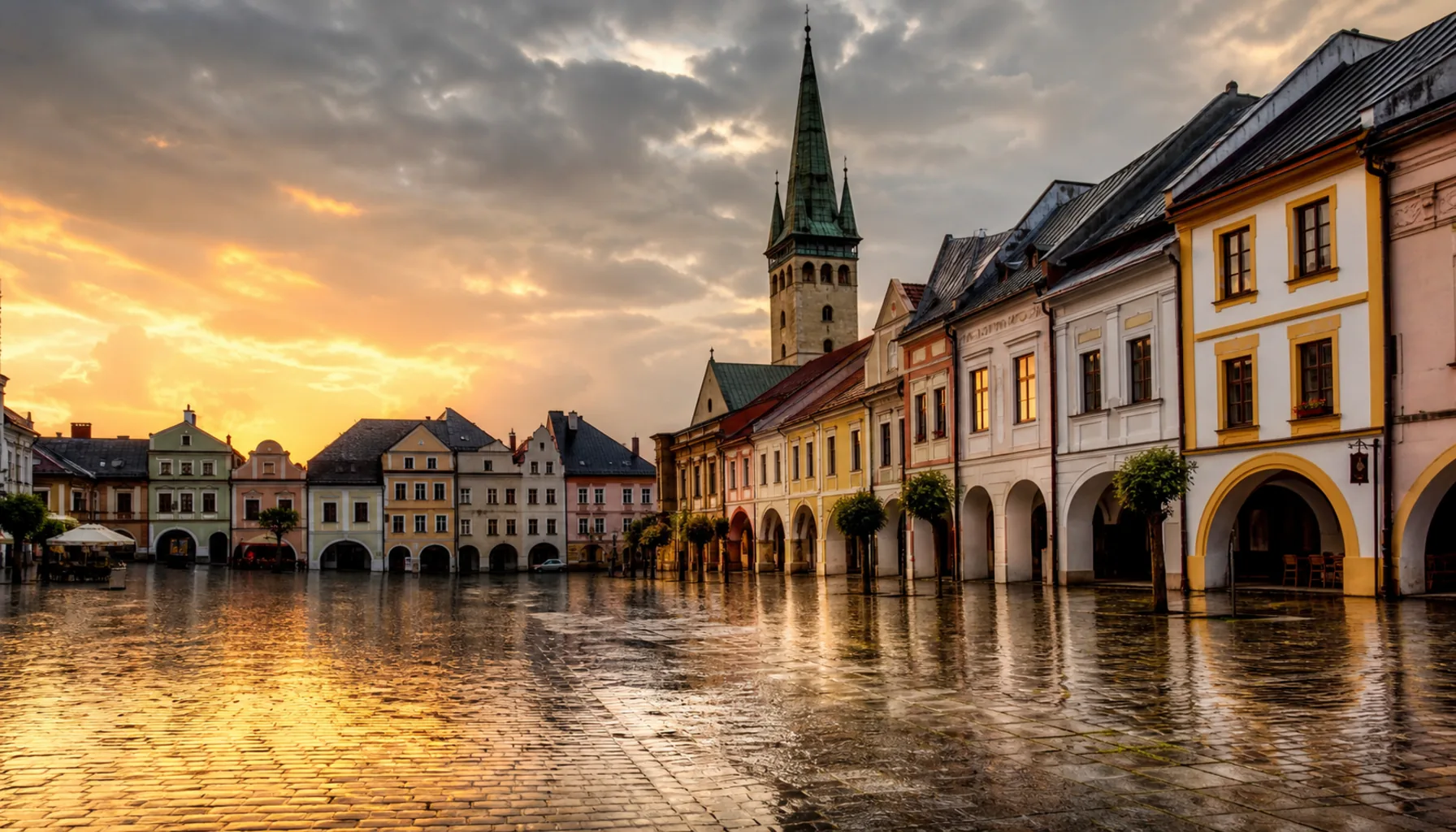
Žilina grew where valleys cross — the Váh coming down out of Liptov, the Kysuca arriving from the north. Its heart is Mariánske námestie, a square of burgher houses carried on a continuous ring of Renaissance arcades, so the walk around it stays dry in any weather; the lanes of the compact historic core thread off it in every direction.Žilina vyrástla na križovatke dolín — Váh sem schádza z Liptova, Kysuca prichádza zo severu. Jej srdcom je Mariánske námestie, námestie meštianskych domov nesených súvislým vencom renesančných podlubí, takže prechádzka okolo neho ostáva suchá za každého počasia; uličky kompaktného historického jadra sa z neho rozbiehajú na všetky strany.
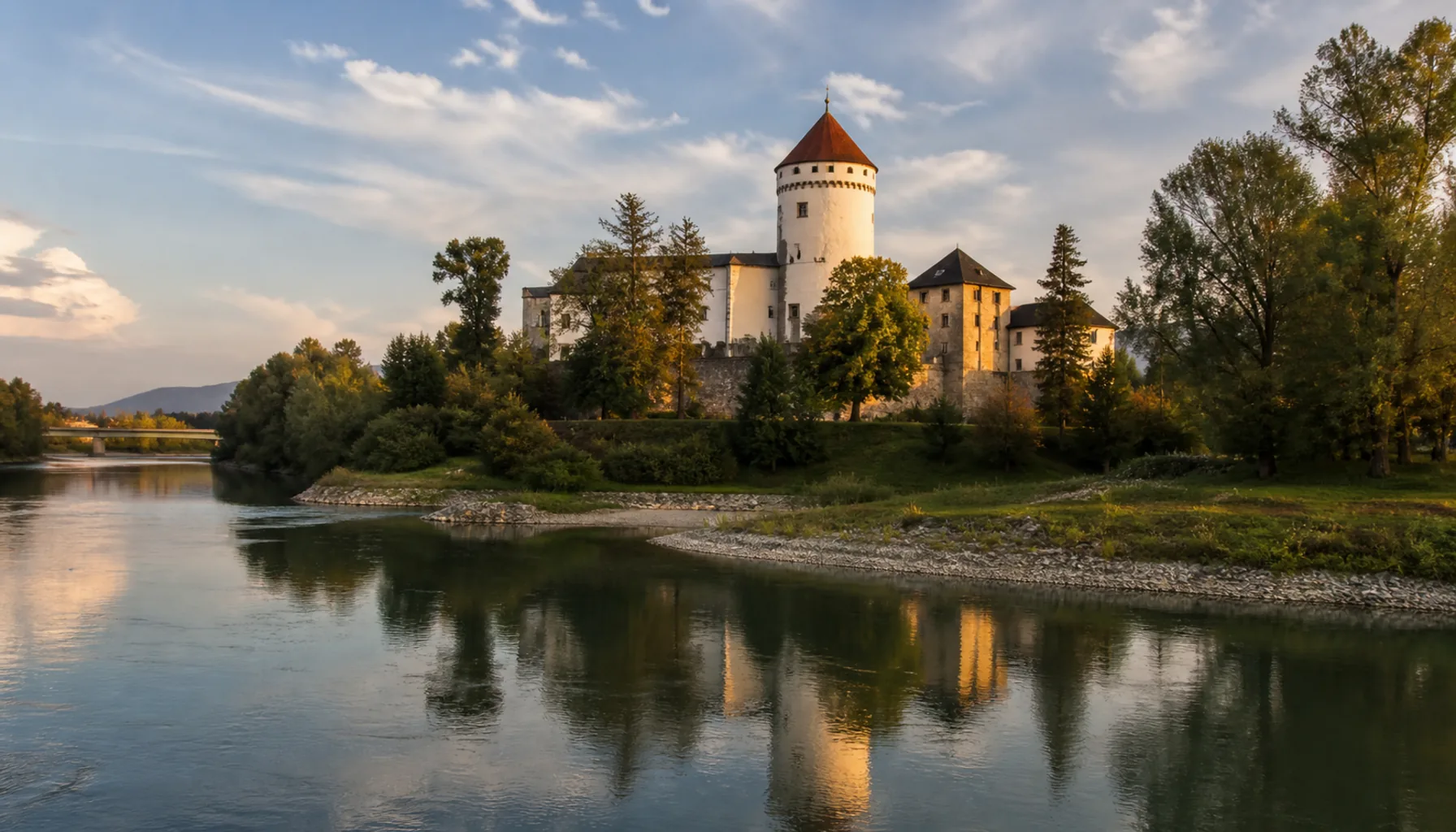
On the edge of the city, where the two rivers actually meet, stands Budatín Castle and its park. And Žilina is one of Slovakia's principal railway junctions — which is exactly what makes it such an effortless base: Malá Fatra, with the Vrátna valley and Terchová, rises just beyond the eastern suburbs.Na okraji mesta, tam, kde sa obe rieky naozaj stretávajú, stojí Budatínsky zámok so svojím parkom. A Žilina je jedným z hlavných železničných uzlov Slovenska — a práve preto je takou pohodlnou základňou: Malá Fatra s Vrátnou dolinou a Terchovou sa dvíha hneď za východnými predmestiami.