Cathedral, Fountain and a City's Coat of ArmsKatedrála, fontána a mestský erb
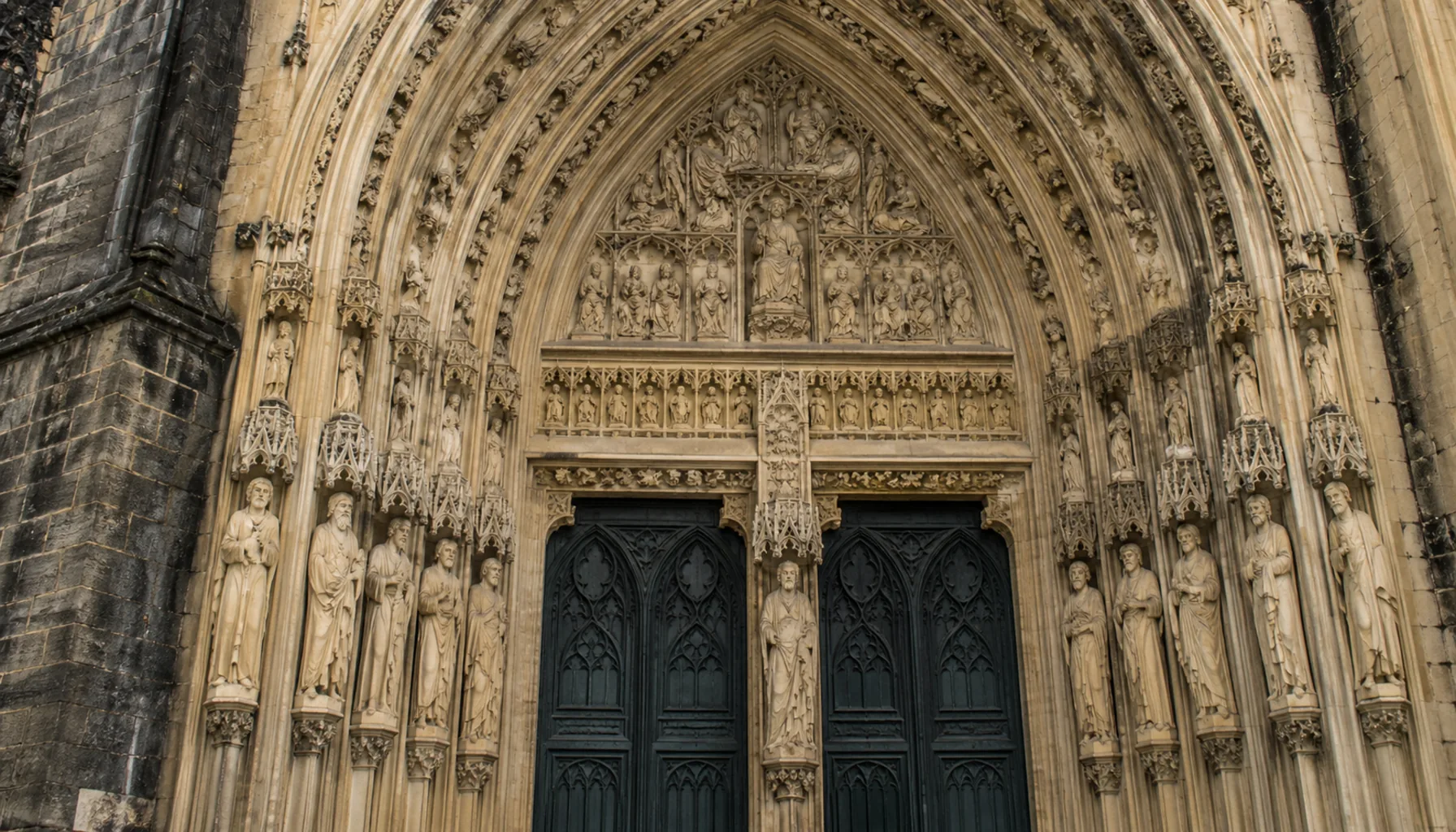
Everything in Košice answers to one building. The Cathedral of St Elisabeth — commonly called the easternmost cathedral in the French Gothic manner in Europe, and the largest church in Slovakia — stands squarely in the middle of Hlavná, the long lens-shaped square that has carried the life of the city since the Middle Ages. Beside it lean the slender Urban Tower and the small Chapel of St Michael, three medieval buildings gathered into one composition at the square's widest point.Všetko v Košiciach sa podriaďuje jednej stavbe. Dóm svätej Alžbety — podľa bežného označenia najvýchodnejšia katedrála vo francúzskom gotickom slohu v Európe a najväčší kostol na Slovensku — stojí priamo uprostred Hlavnej, dlhého šošovkovitého námestia, ktoré nesie život mesta už od stredoveku. Vedľa neho sa dvíha štíhla Urbanova veža a drobná Kaplnka svätého Michala — tri stredoveké stavby spojené v najširšom mieste námestia do jednej kompozície.
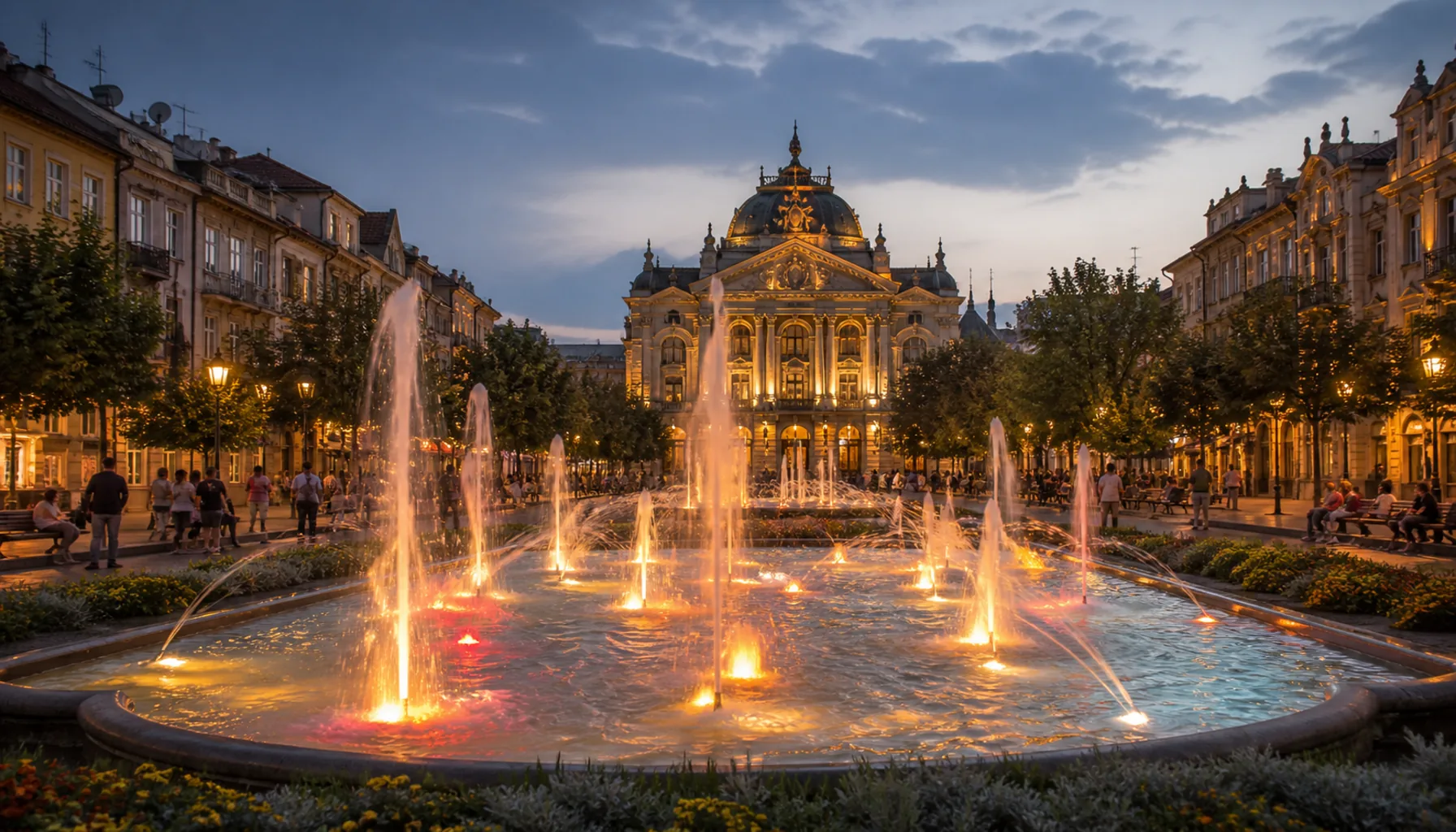
In the strip of park between the cathedral and the Štátne divadlo Košice — the State Theatre — a singing fountain has played since 1986, the first of its kind built in Slovakia; on a warm evening half the city seems to sit around it. The street's memory runs deeper still: in 1369 King Louis I, known as Louis the Great, issued Košice's armorial warrant at Diósgyőr castle, making the city, by most accounts, the first town in Europe granted its own coat of arms by a sovereign.V parkovom páse medzi dómom a Štátnym divadlom Košice hrá od roku 1986 spievajúca fontána — prvá svojho druhu na Slovensku; za teplého večera pri nej sedí akoby polovica mesta. Pamäť ulice siaha ešte hlbšie: v roku 1369 vydal kráľ Ľudovít I., zvaný Ľudovít Veľký, na hrade Diósgyőr erbovú listinu Košíc, čím sa mesto podľa väčšiny výkladov stalo prvým mestom v Európe, ktoré od panovníka dostalo vlastný erb.
At the northern end of Hlavná, the East Slovak Museum keeps the city's most startling exhibit: the Košice Gold Treasure, close to three thousand gold coins and medals that lay bricked into a house wall on the street until a chance discovery brought them back into daylight in 1935.Na severnom konci Hlavnej opatruje Východoslovenské múzeum najprekvapivejší exponát mesta: Košický zlatý poklad, takmer tritisíc zlatých mincí a medailí, ktoré ležali zamurované v stene domu na ulici, kým ich v roku 1935 na svetlo nevrátil náhodný nález.